Parque da Alameda de Cartes

Tipology

Groasis
Ponds
Ponds
Retention basins
Trees

Address

Alameda de Cartes

Location

Campanhã, Campanhã

Promoter

Porto Municipality

Technical Designer

José Miguel Lameiras, Teresa Marques and Paulo Farinha Marques

Area

4 ha

Cost

2.700.000 €

Investment

H2020 Program - URBiNAT: 1.700.000 €
Porto Municipality: 1.000.000 €

Presentation

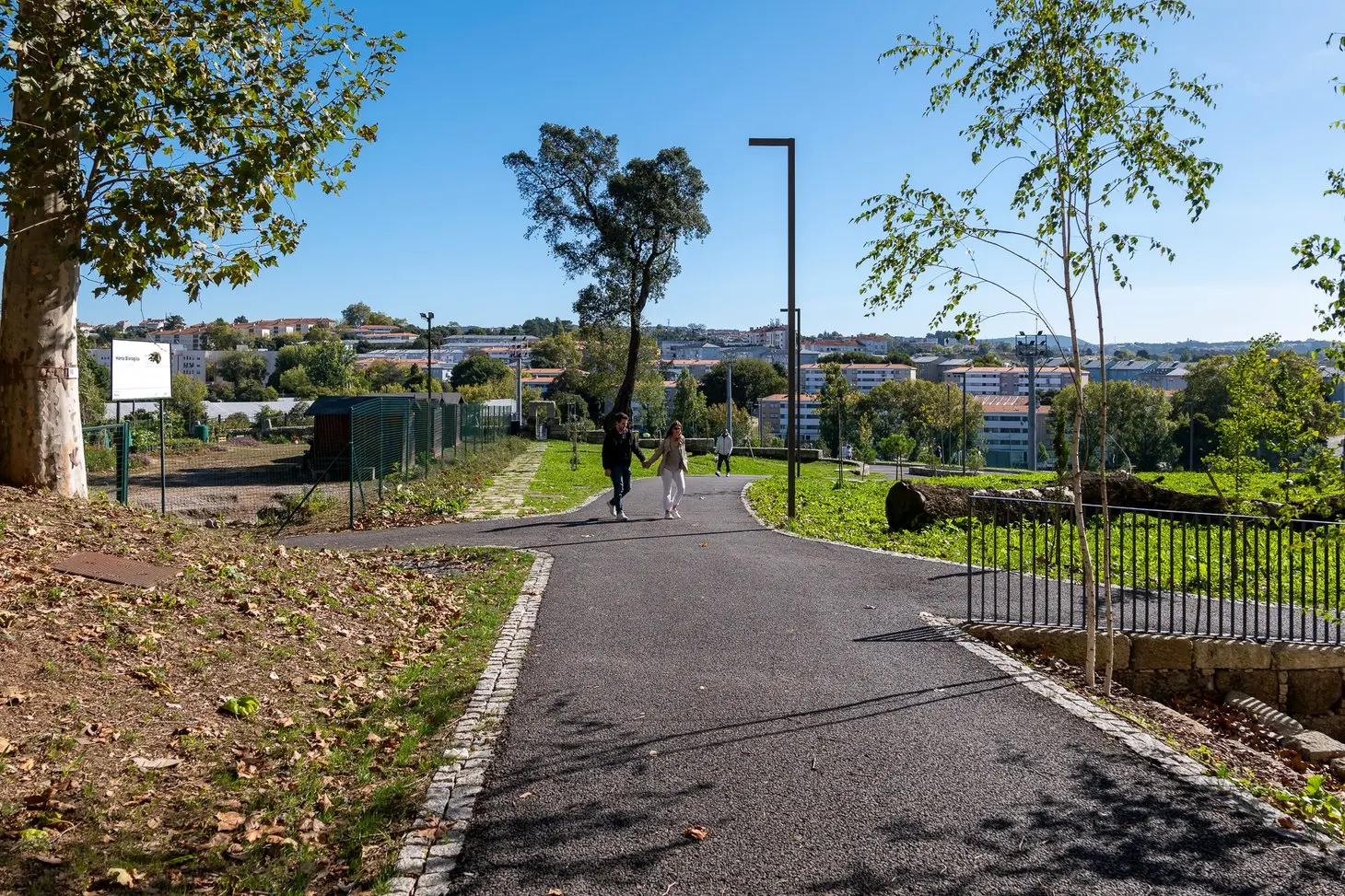
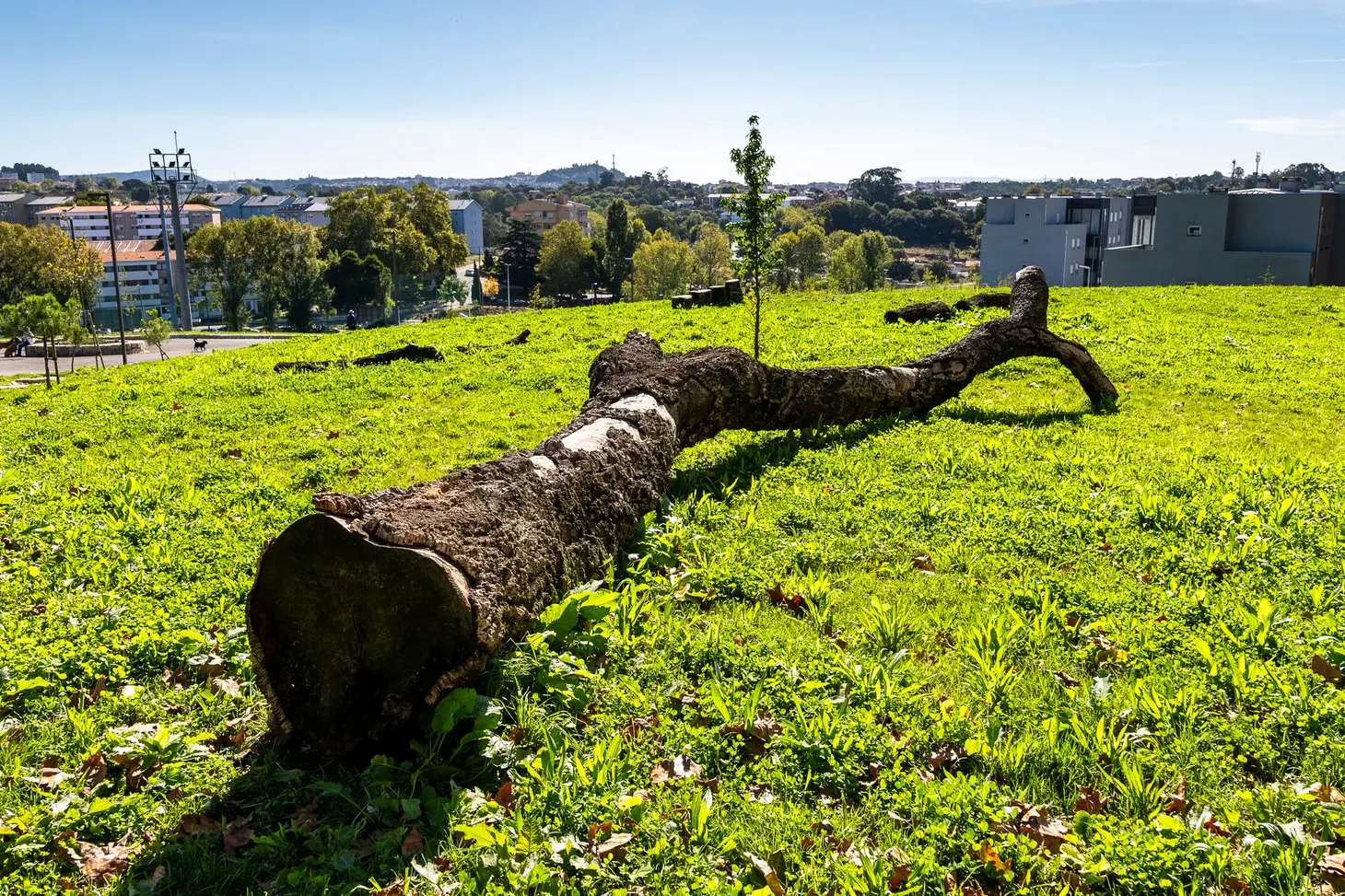
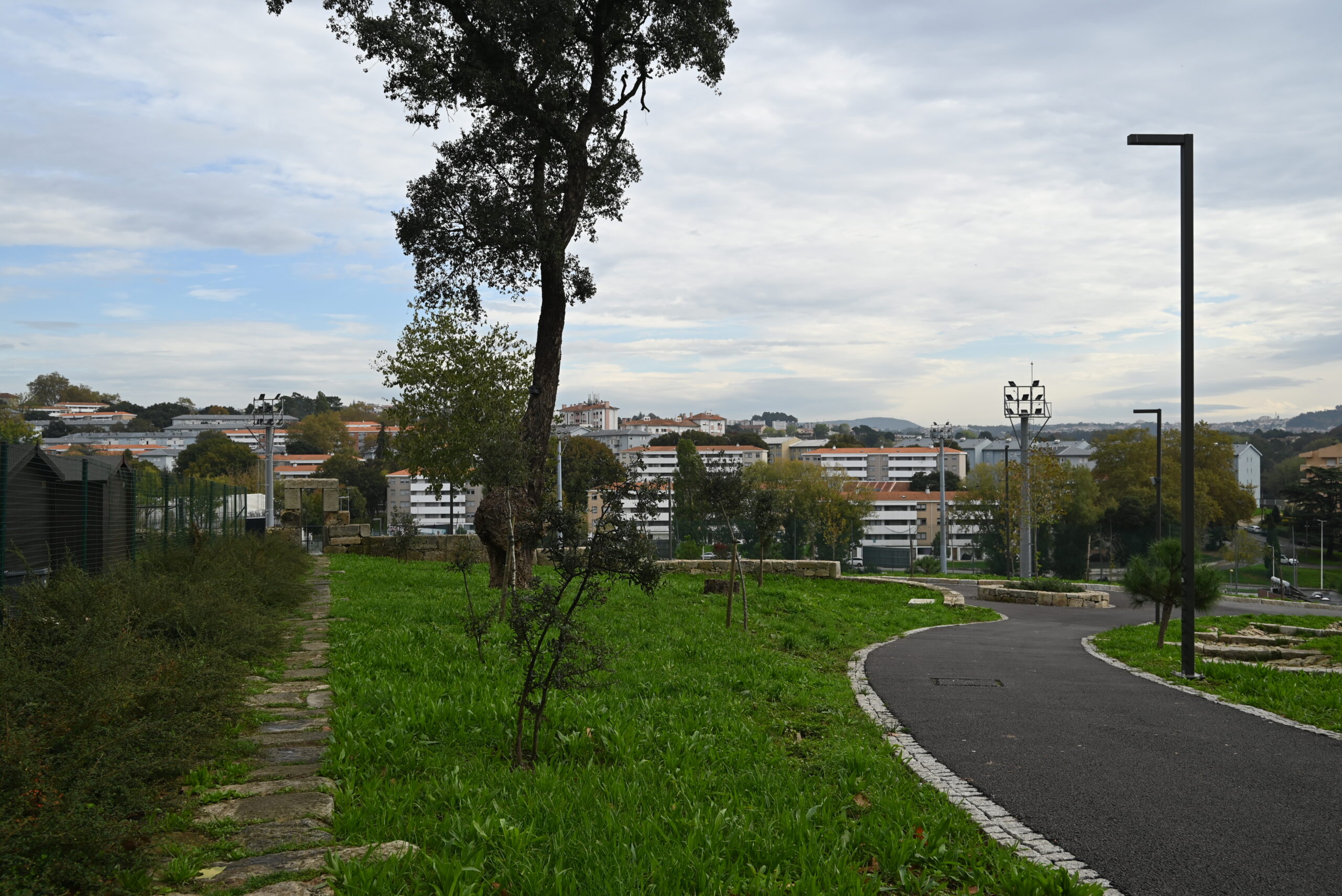
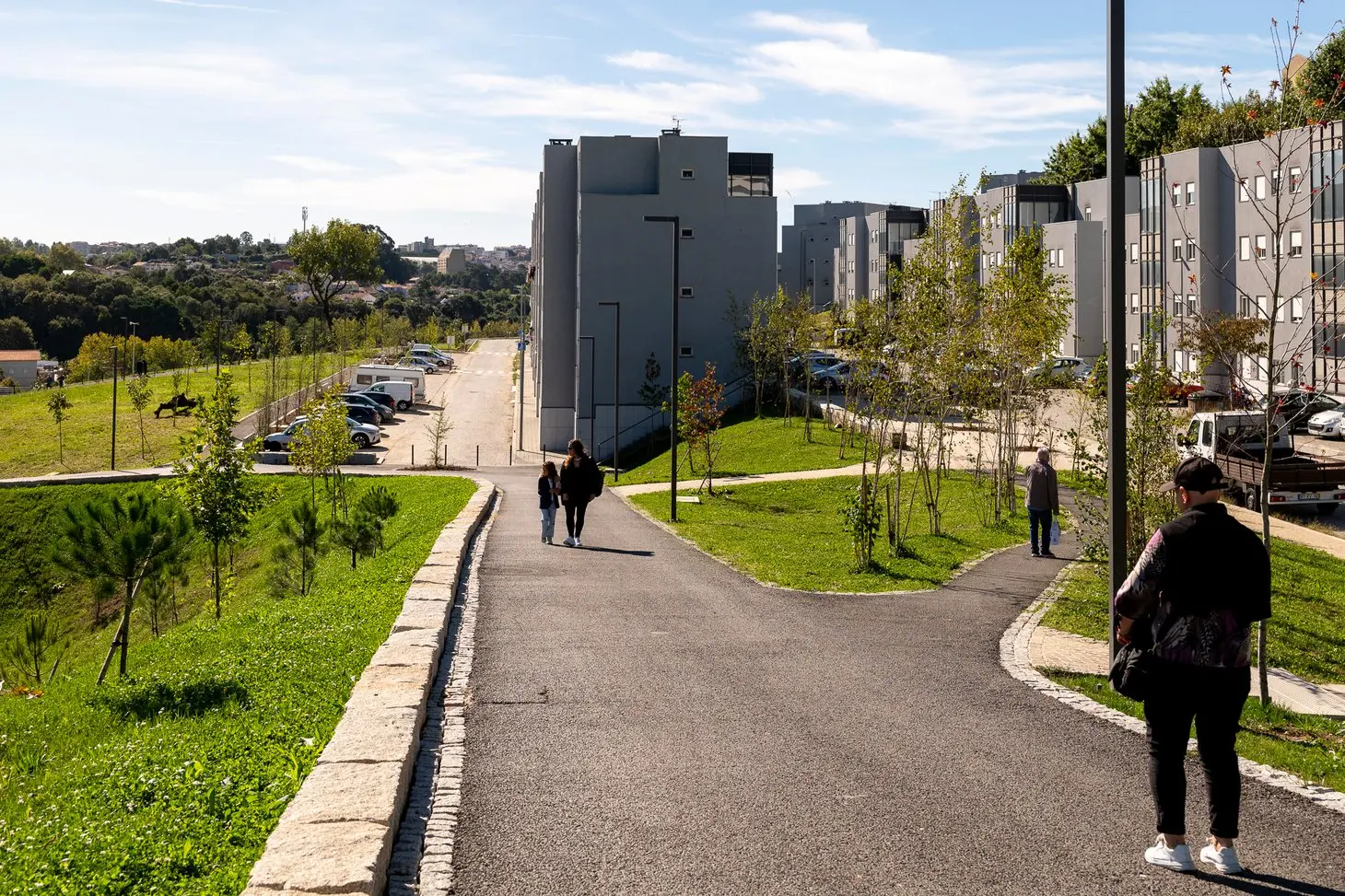
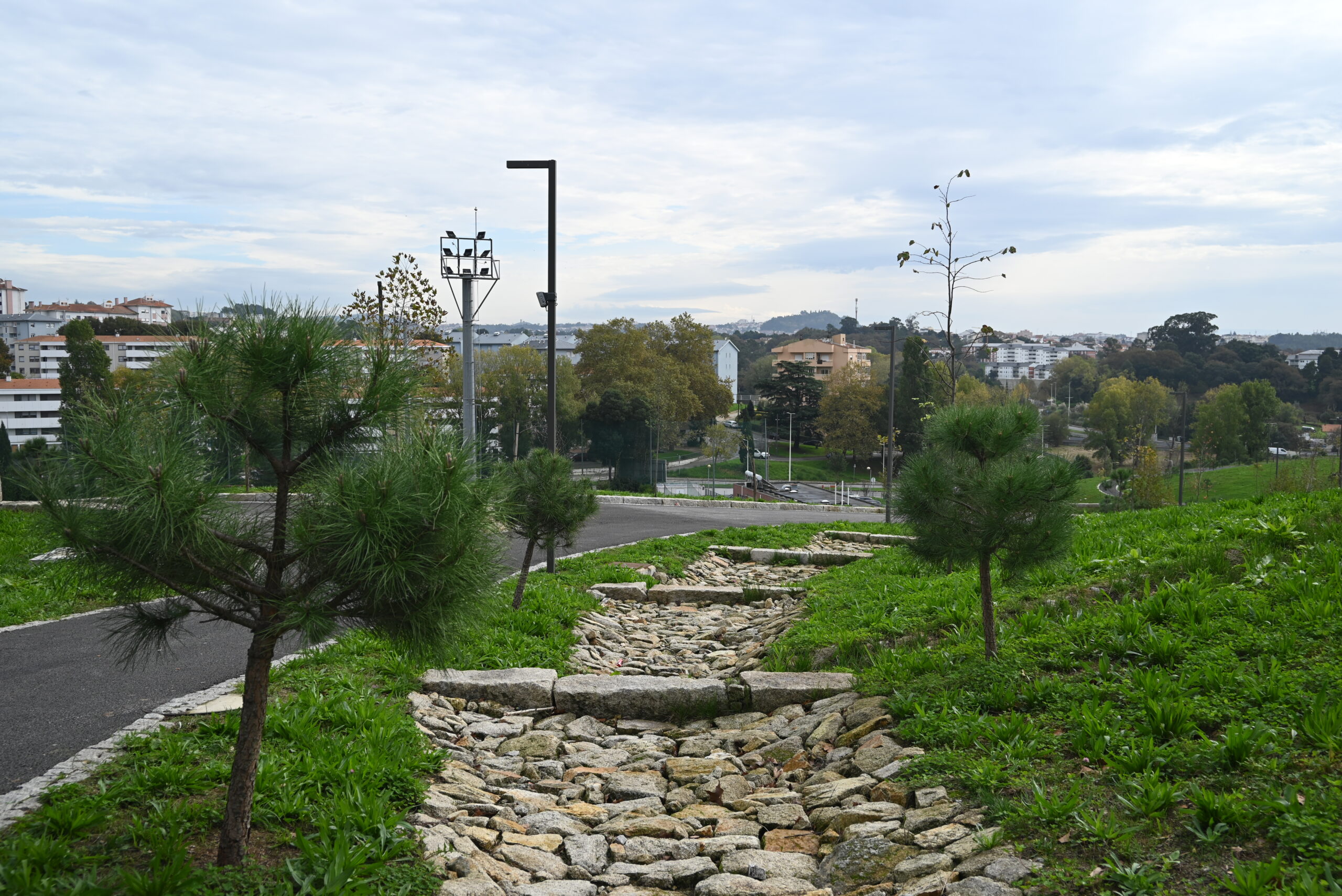
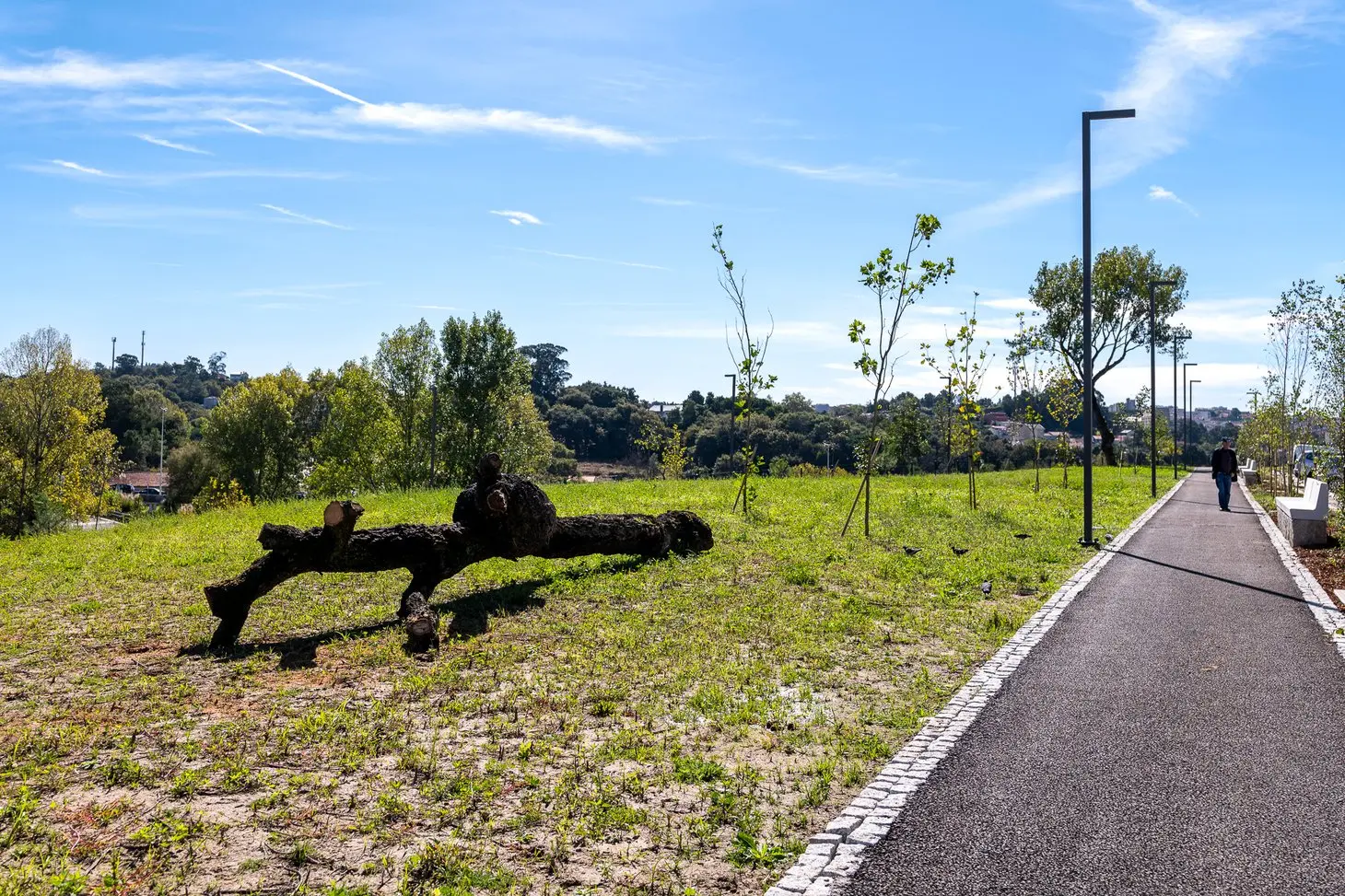
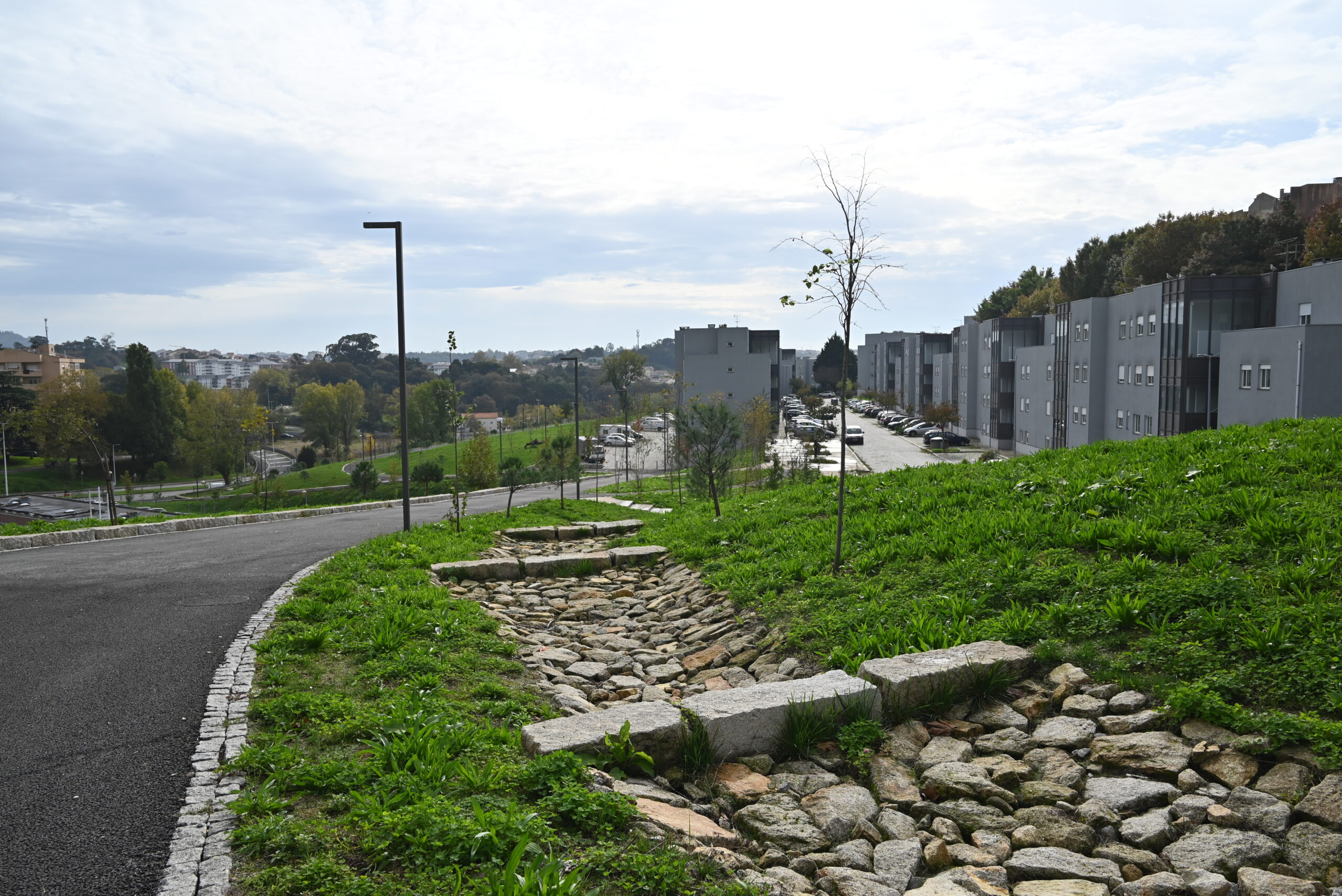
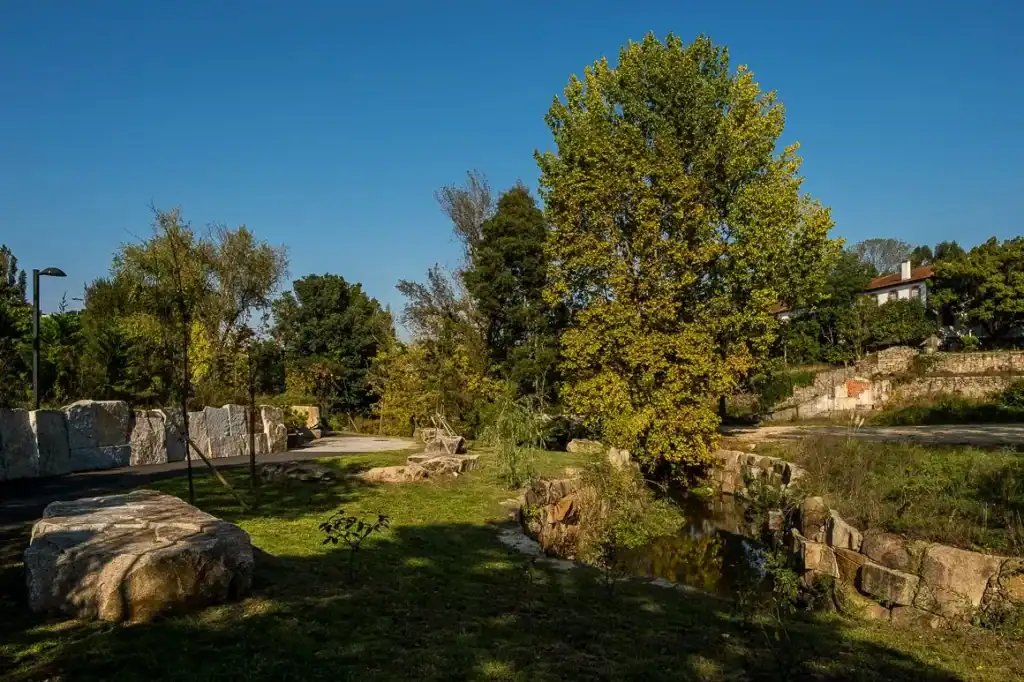
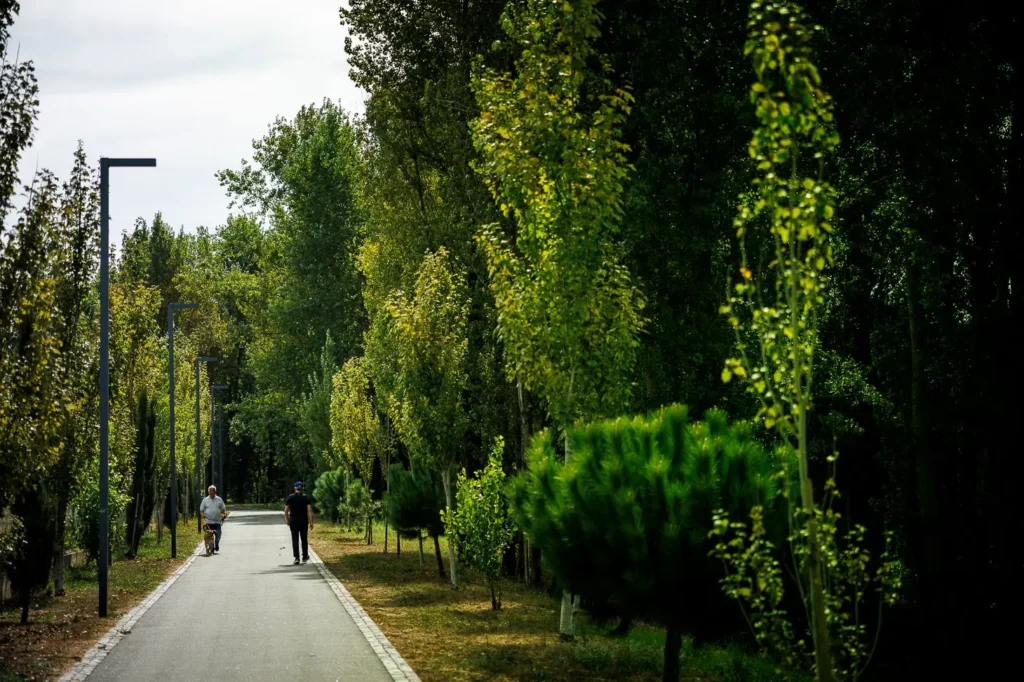
The Parque da Alameda de Cartes, inaugurated in September 2024, is a nature-based solution that promotes urban sustainability in the Campanhã area. With an area of more than 40,000 m², the park includes more than a thousand native trees and shrubs that promote biodiversity and sequester carbon. The entire green area of the park contributes to improving air quality and the local microclimate and prevents urban flooding in situations of heavy rainfall. Despite being a park with a significant incline, both the vegetation and the pavements channel and distribute rainwater to micro-dams and retention basins, allowing it to infiltrate the subsoil and retaining the surplus. In this way, it is possible to recharge aquifers, obtaining healthier and richer water tables, which subsequently feed the trees.

In terms of social services, the area has more than 1.5 km of pedestrian and cycle paths, which facilitates sustainable mobility and access to various urban facilities, such as the Horta da Oliveira, the Falcão Primary School, the Cartes Municipal Swimming Pool, among others. These paths are closely linked to the city’s Parque Oriental, allowing the community to enjoy a free connection to another 18 hectares of green area along the Rio Tinto, thus also reinforcing the strategy of creating a more connected Porto.

The URBiNAT project was the main source of funding and promoter of the creation of the Park. This project focused on regenerating and promoting connectivity between disadvantaged urban neighborhoods, co-creating with citizens new social and nature-based relationships within and between different neighborhoods. Using a holistic approach, taking into account the full physical, mental and social well-being of citizens.
Partners

CIBIO, BIOPOLIS, University of Coimbra

Ecological functions

Soil water infiltration; Improving water quality; Improving quality of life; Promoting biodiversity; Reducing extreme weather events; Reducing noise; Regulating temperature; Regulating floods; Carbon sequestration;

Sustainable Development Goals

3. Good Health and Well-being; 11. Sustainable cities and communities; 13. Climate action; 15. Life on Land; 17. Partnerships for the goals

Results

The park offers 4 ha of reclaimed green space with more than 1.5 km of pedestrian and cycling routes, plus rainwater retention capacity to prevent flooding during heavy rainfall.

OTHER SUGGESTIONS

The 6-hectare Quinta de Salgueiros is being rehabilitated with nature-based solutions to improve quality of life, ecosystem services and increase the area's climate resilience. It will function as a living laboratory to study and replicate urban ecology and climate change adaptation practices.
Porto City Park integrates natural solutions for sustainability and climate adaptation. With green areas, lakes and permeable soils, it regulates temperature, improves the air, retains water and supports ecosystems. It also serves as a social and educational space, uniting nature, leisure and urban well-being.
Located west of Morro da Lapa and Rua de Cervantes, this new 17,000 m² green space seeks to enhance urban quality of life, with a special focus on both the enhancement of public space and the city’s renaturalisation strategy. Opened at the end of 2024 and based on the concept ‘Porto: a city designed by […]