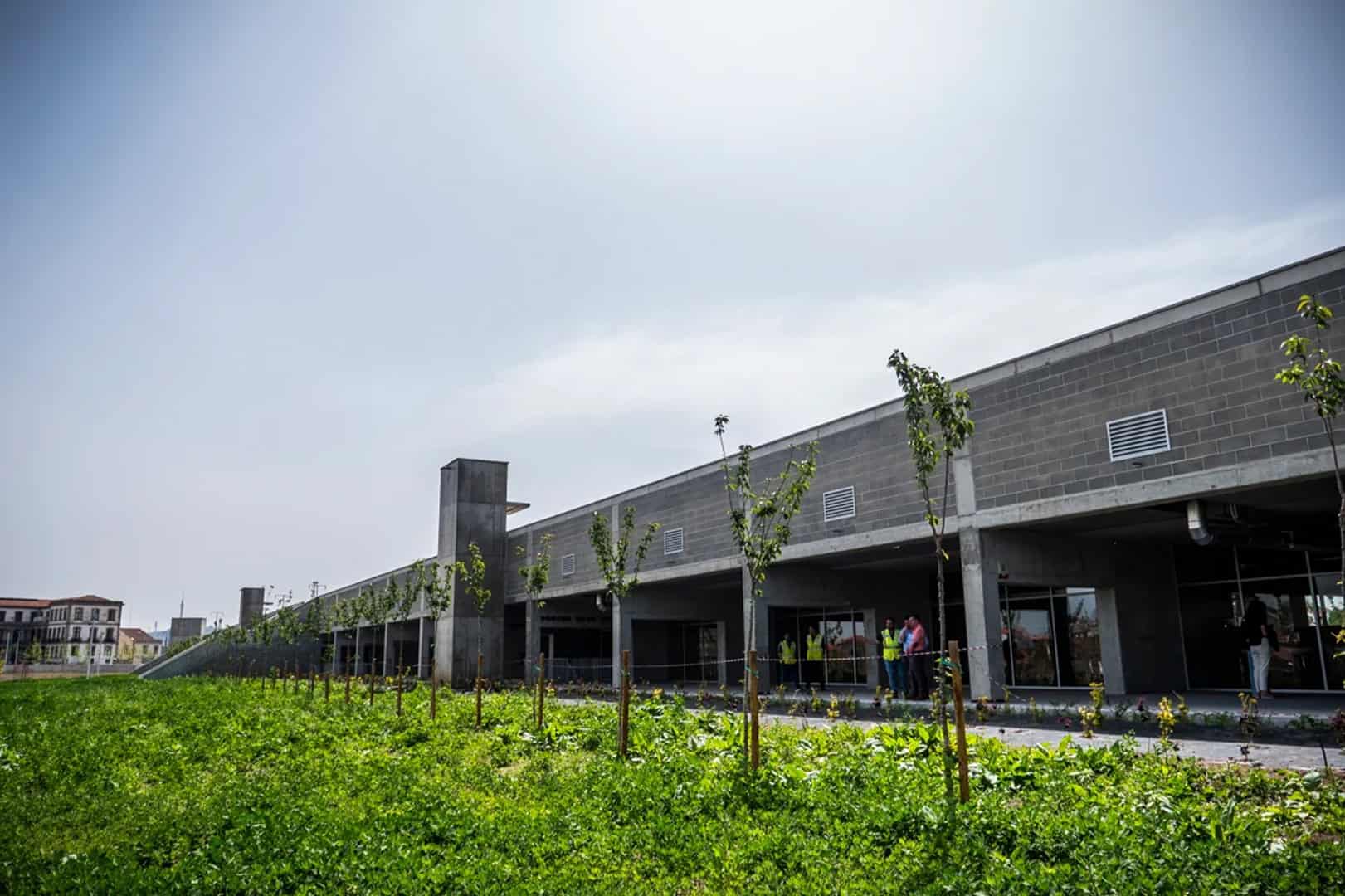
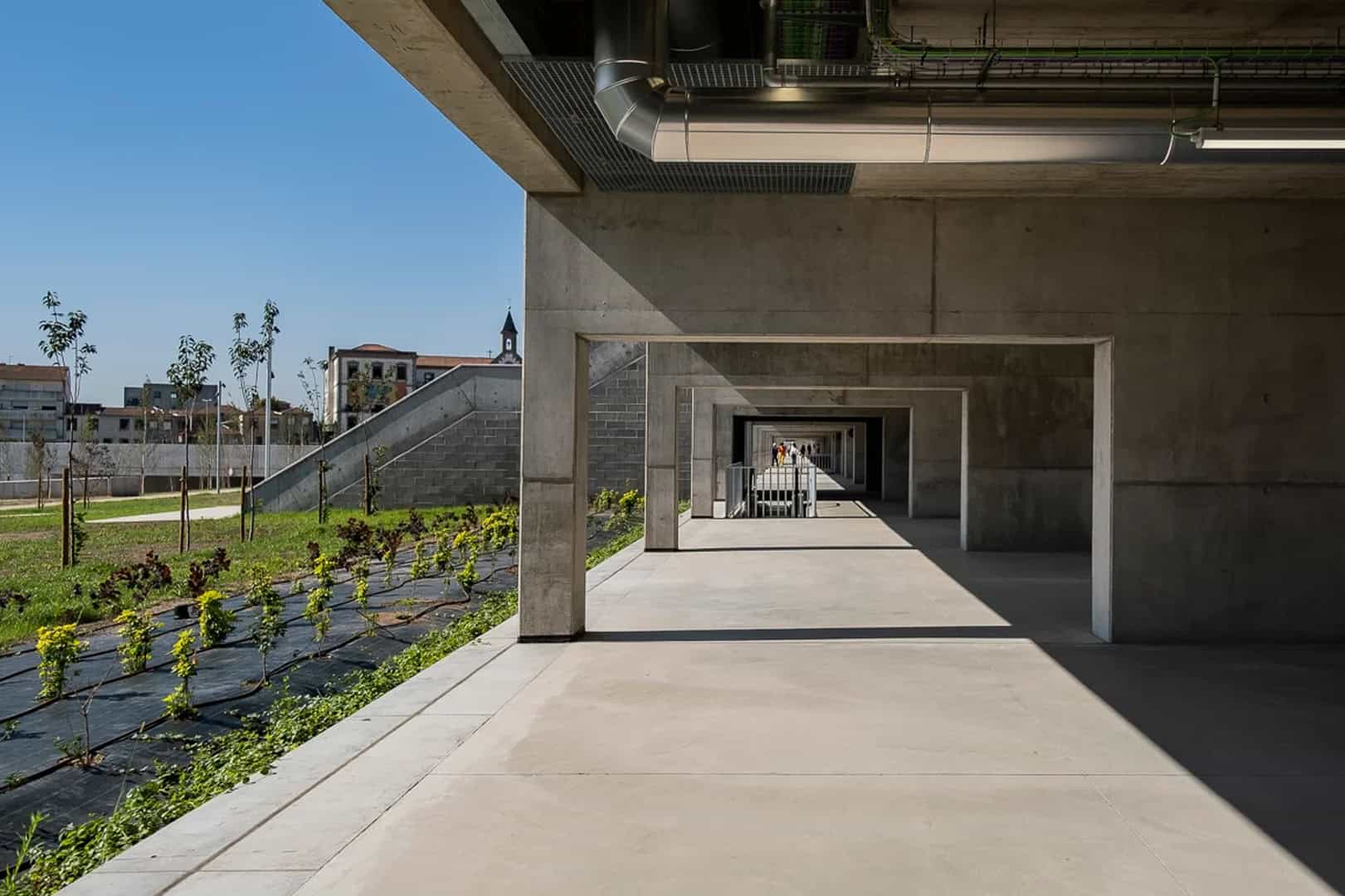
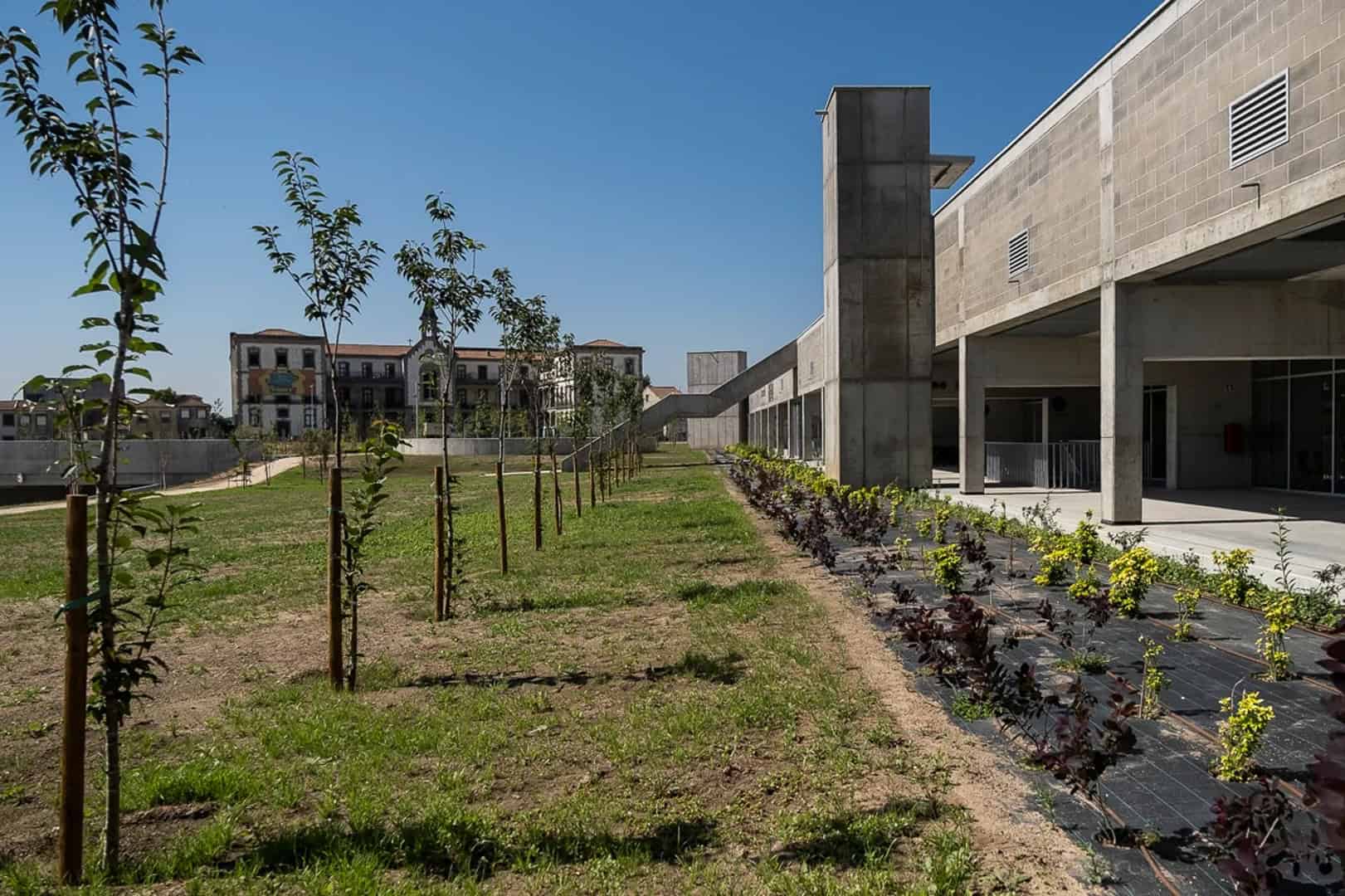
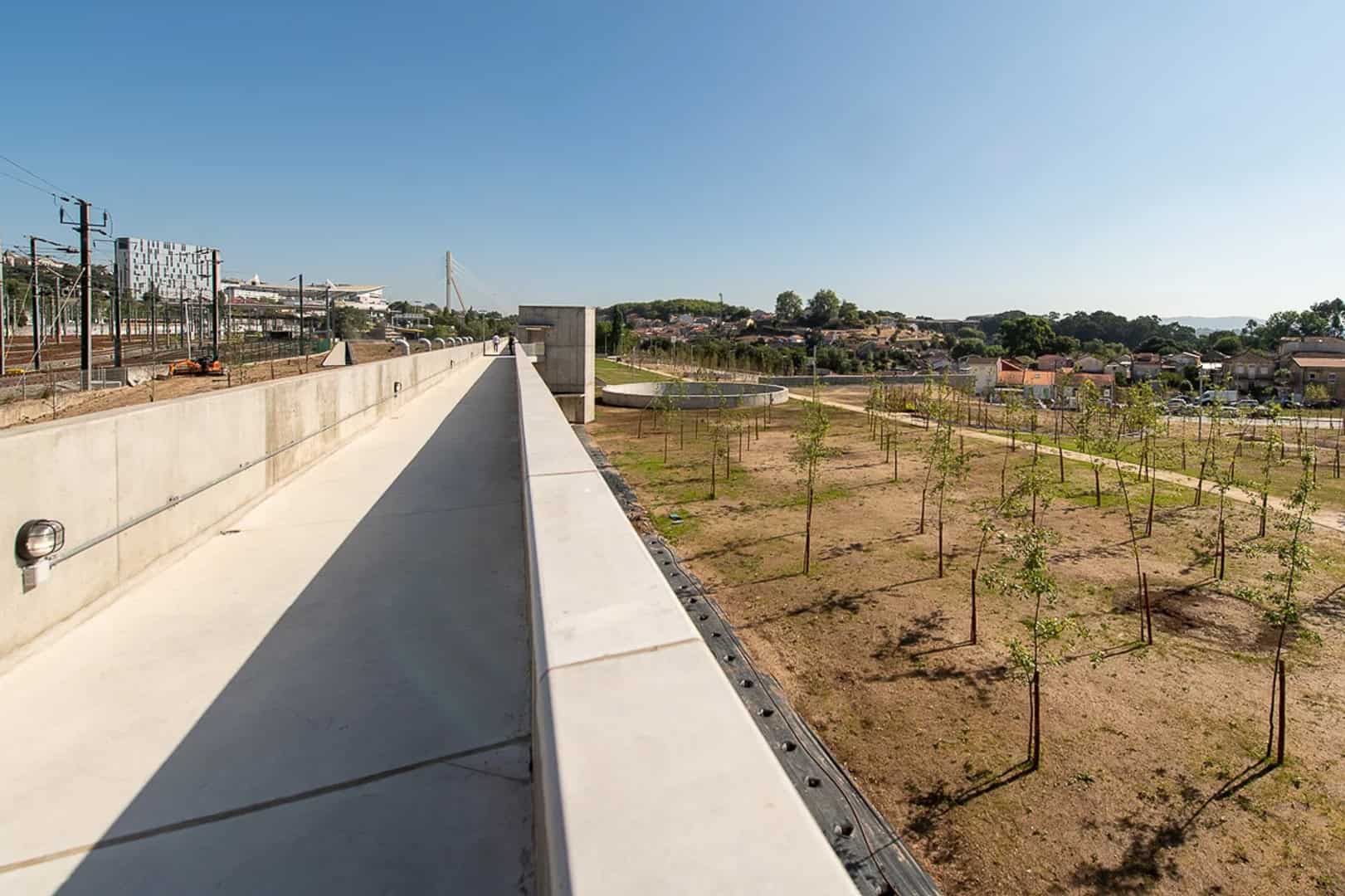
The Campanhã Intermodal Terminal (TIC), a mobility hub, stands out for its integration of green infrastructures that promote urban sustainability and quality of life. The terminal, with a gross construction area of 24.000 m², includes a green area of 46.000 m², thus balancing the grey of concrete with the green of nature to promote a sustainable city in search of climate neutrality.
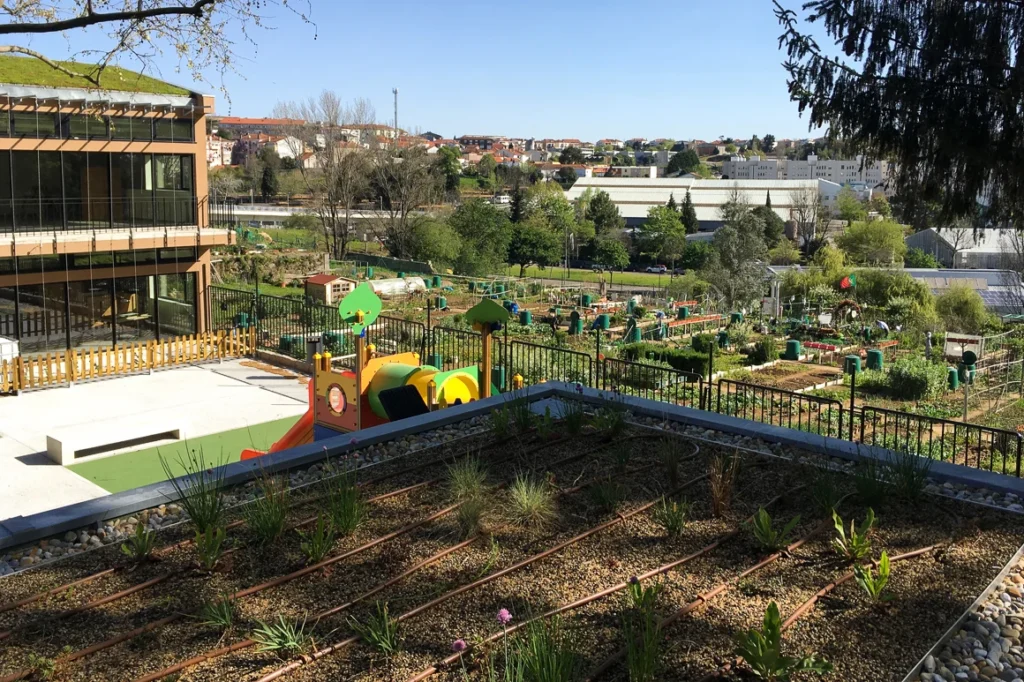
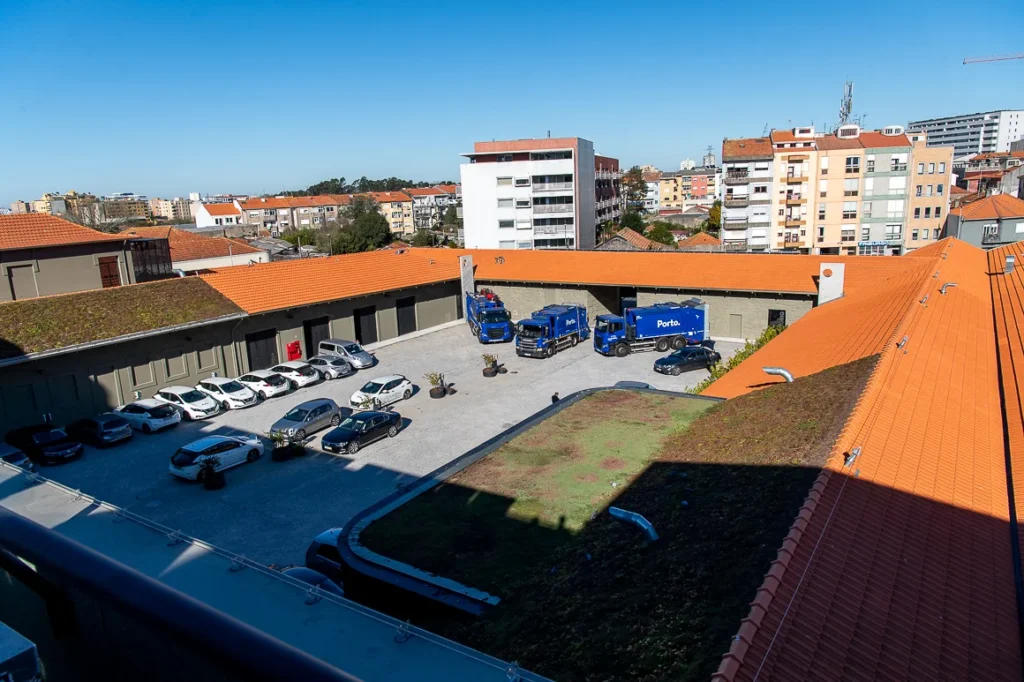
The TIC has the largest green roof in the city with 13.000 m² of vegetation. This cover contributes to the reduction of greenhouse gases, and is estimated to reduce CO₂ by around 5,2 tonnes in five years. The vegetation also acts as a filter for pollutants in a high-traffic area, as well as improving the building’s energy efficiency and providing a milder microclimate.
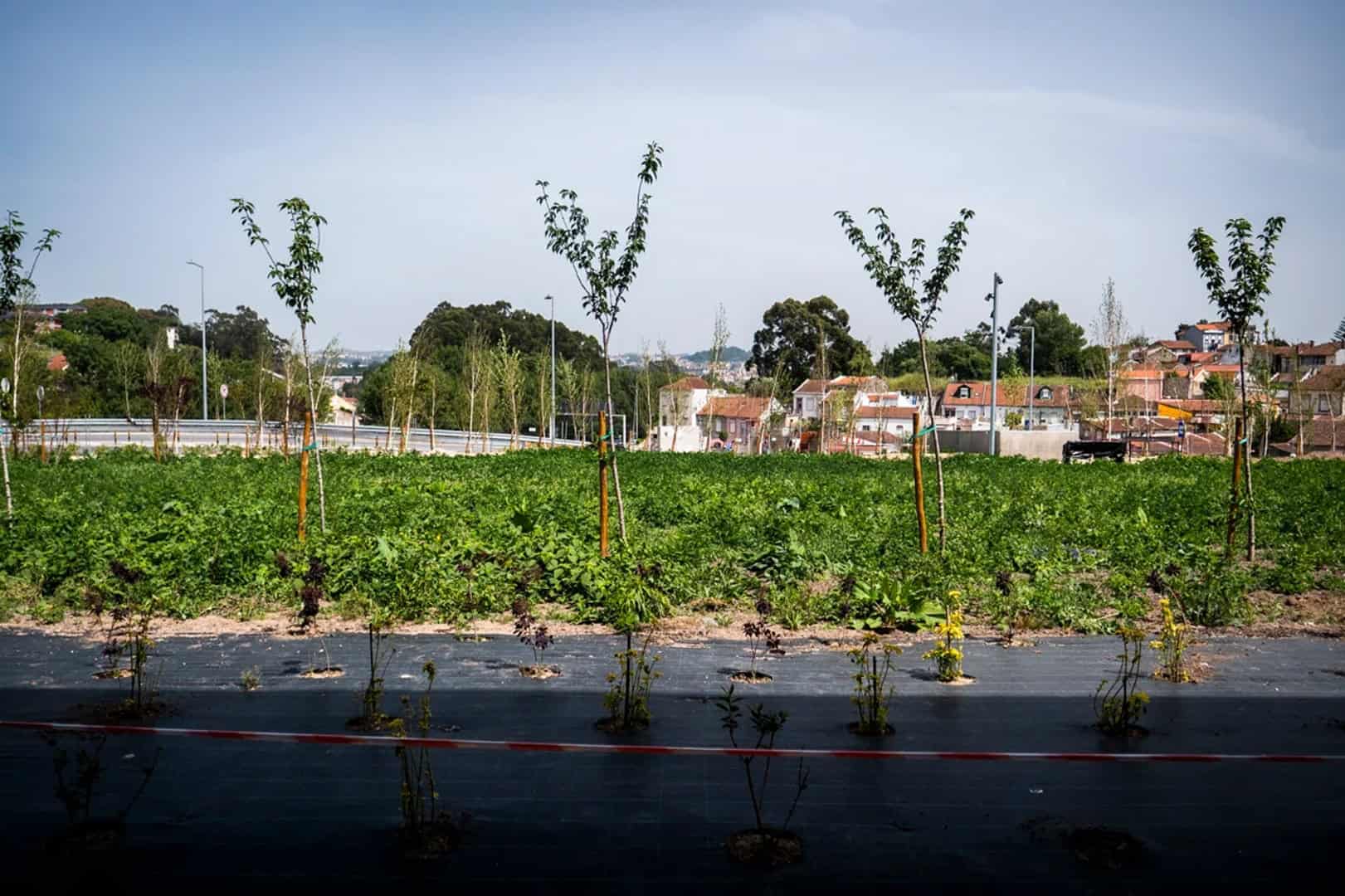
The green space extends northwards to Quinta do Mitra and eastwards to Rua da Bonjóia, promoting a green and ecological corridor between the various urban elements in the surrounding area, as well as providing pleasant crossing areas for the population and visitors. The green areas also have rest areas and a children’s playground that fulfil an important social function of leisure, health and well-being.
In 2023, this project was recognised by the Landezine International Landscape Award (LILA), which recognises innovative practices in landscape architecture: Campanhã EcoSocial Green Park « Landezine International Landscape Award LILA