The main objective of the Rio Tinto Interceptor project was to improve the quality of the river water by sending treated effluent from the wastewater treatment plants (WWTP) of Rio Tinto (Gondomar) and Freixo (Porto) directly to the Rio Douro, which has a higher flow and, therefore greater self-purification and regeneration capacity when compared to the current receiving environment, the Rio Tinto.
The new infrastructure transports treated effluent from the municipality of Gondomar to the Freixo WWTP. There, the interceptor coming from Gondomar joins the interceptor that transports effluent from Porto, and from this junction, a single interceptor carries effluent from both municipalities to the final discharge point in the Rio Douro, near the Ponte do Freixo.
The construction of the new 5 km interceptor also enabled the rehabilitation of the existing outfall upstream of the Rio Tinto WWTP and the construction of an exhaust pipe connecting the Gondomar and Freixo WWTPs.
The area covered by the project is located in the parishes of Campanhã (municipality of Porto) and Rio Tinto (municipality of Gondomar), and the interceptor runs along the banks of the Rio Tinto.
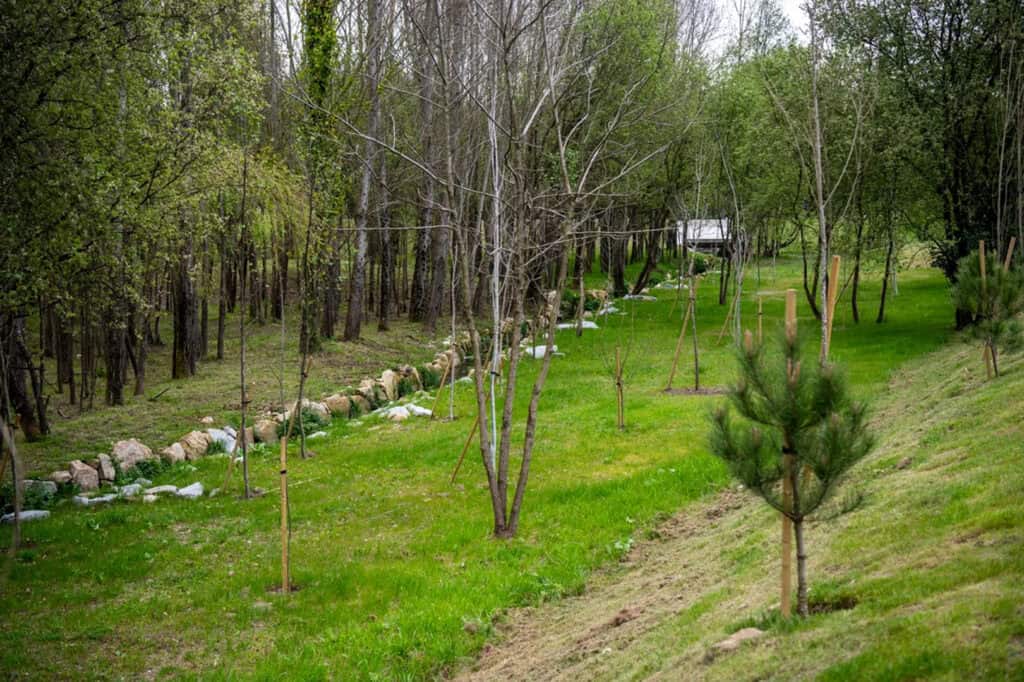
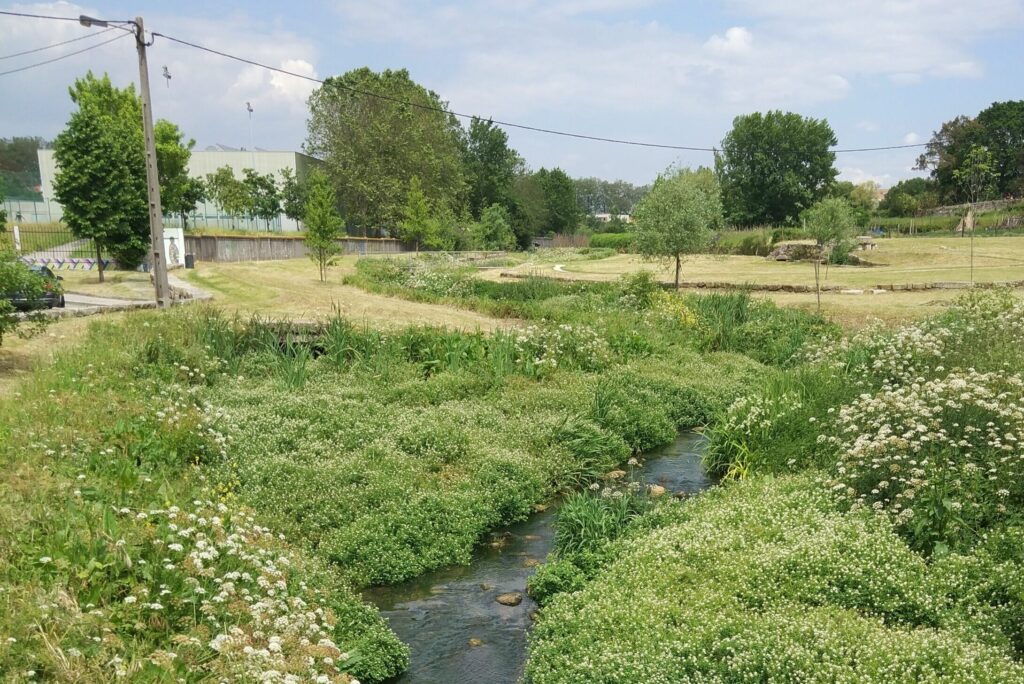
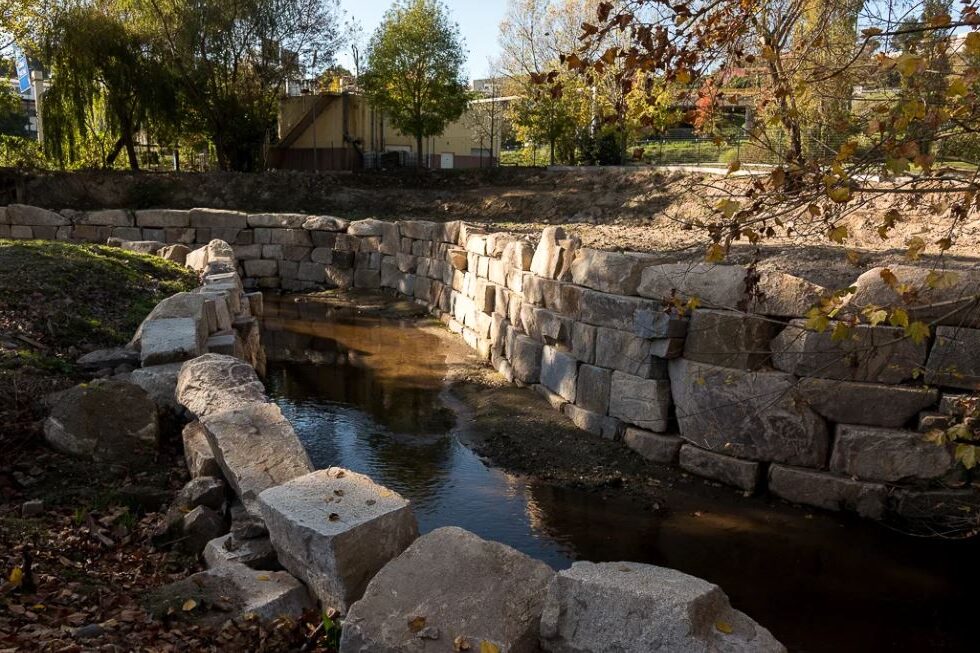
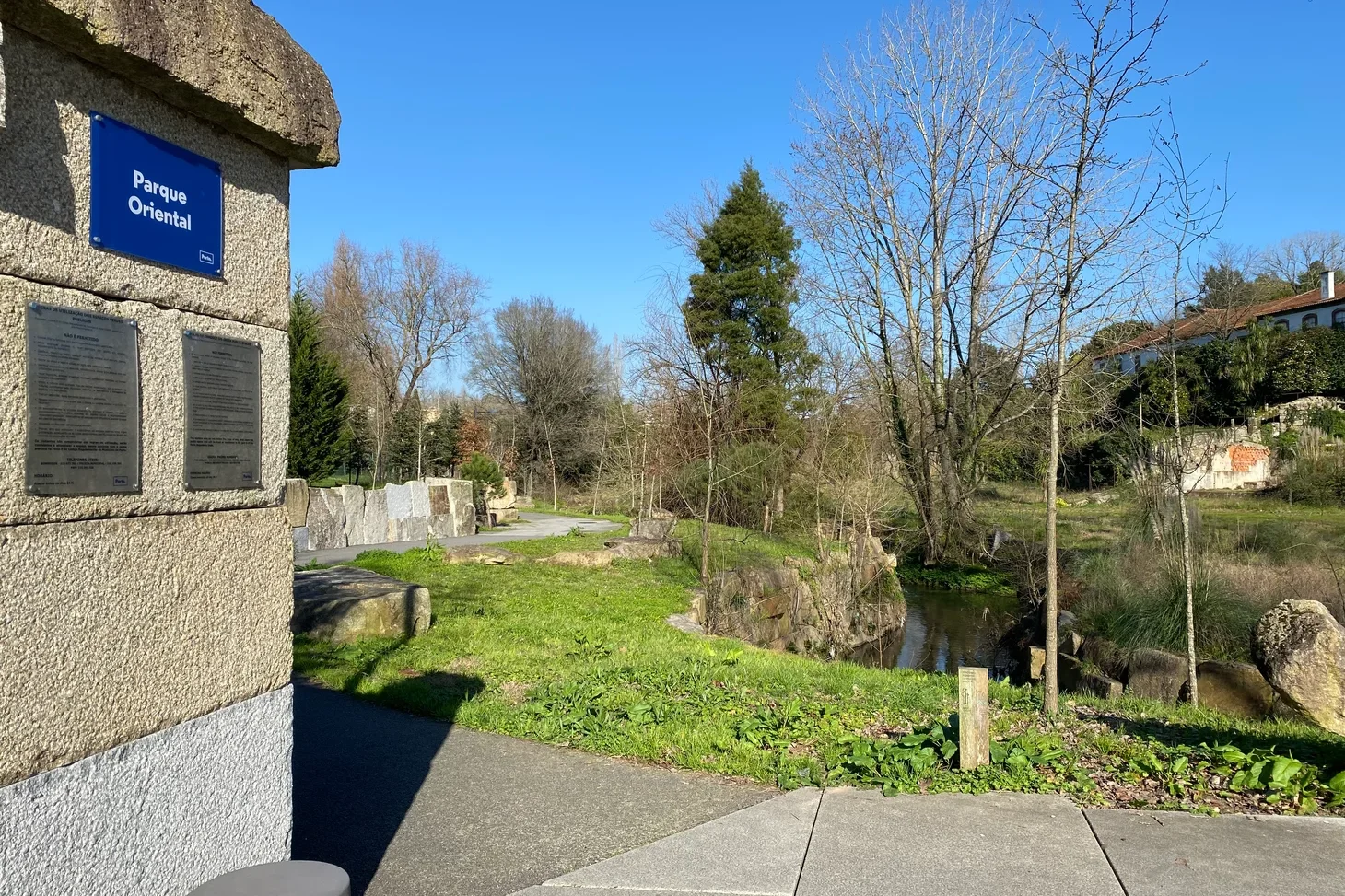
Also as part of this project, the riverbed and banks were rehabilitated using natural engineering techniques and a linear urban park (Parque Oriental) was created along its banks.
This work has made it possible to enjoy a clean and healthy Rio Tinto, whose banks can now be walked along by the public, while promoting the biodiversity that can already be seen there and improving the quality of life of the populations of Porto and Gondomar.
The rehabilitation programme of the Rio Tinto allowing the once extinc profession of river guard to be revived. In partnership with LIPOR, these professionals carry out inspections and maintenance in the Parque Oriental and investigate the presence of pollution in the Rio Tinto and its banks, with the aim of prioritising the preservation of the ecosystem and biodiversity.