Tanque do Outeiro

Tipology

Aquatic plants
Ponds

Address

Rua Prof. Mendes Correia

Location

Promoter

Municipality of Porto

Date of intervention

2024

Presentation

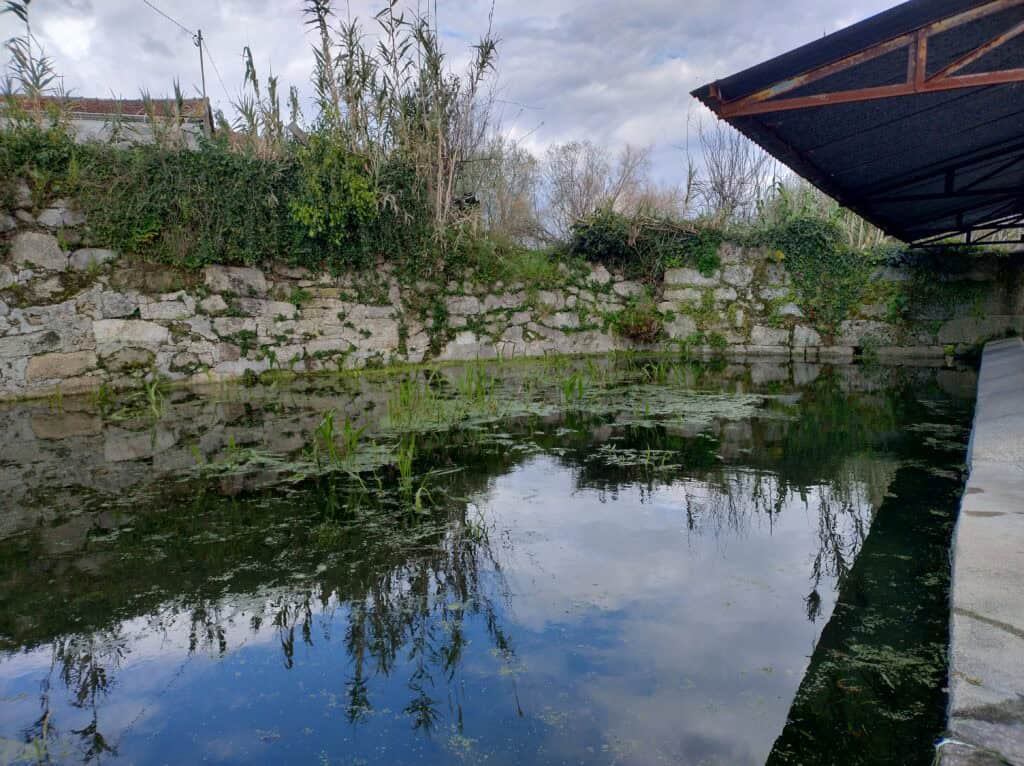
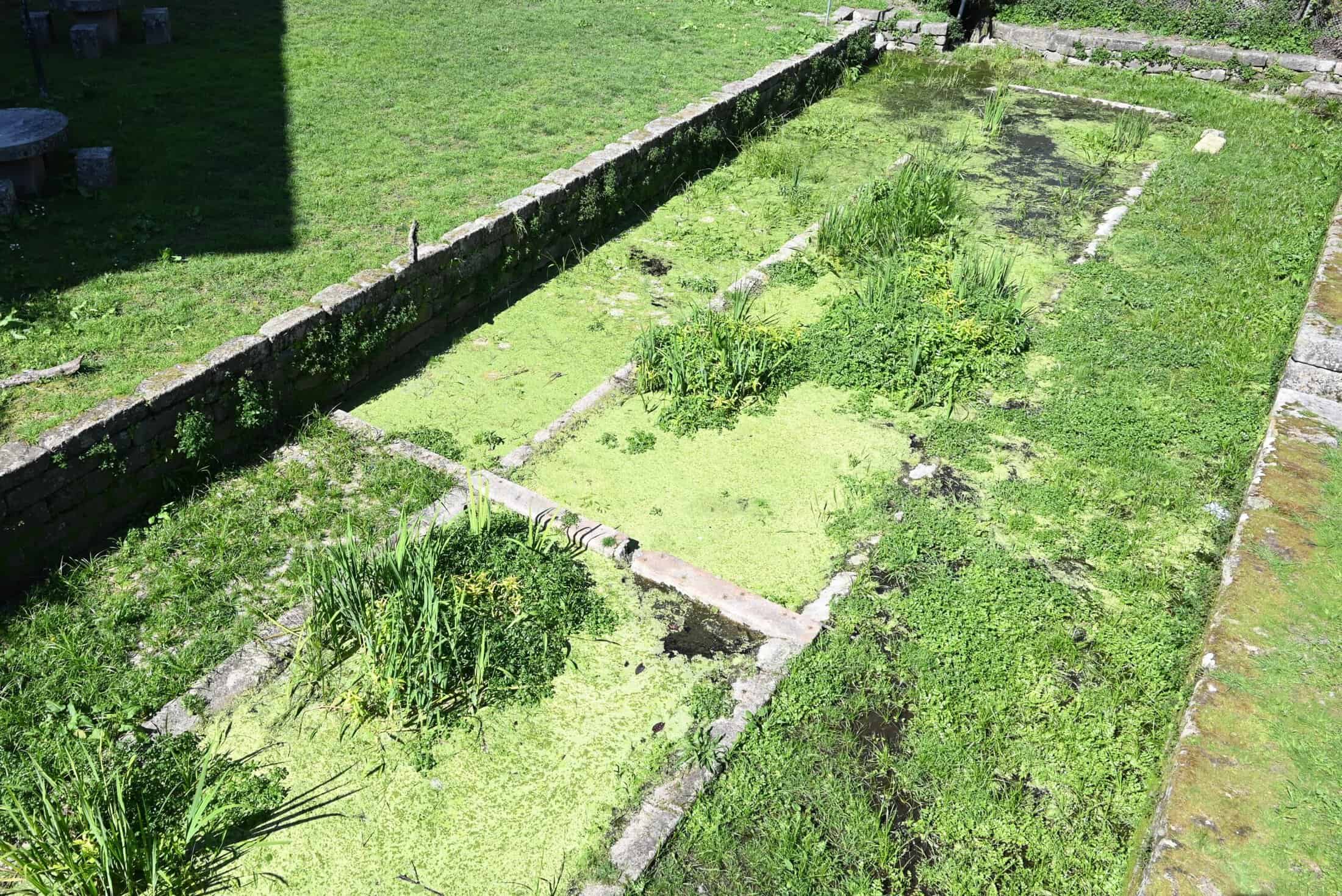
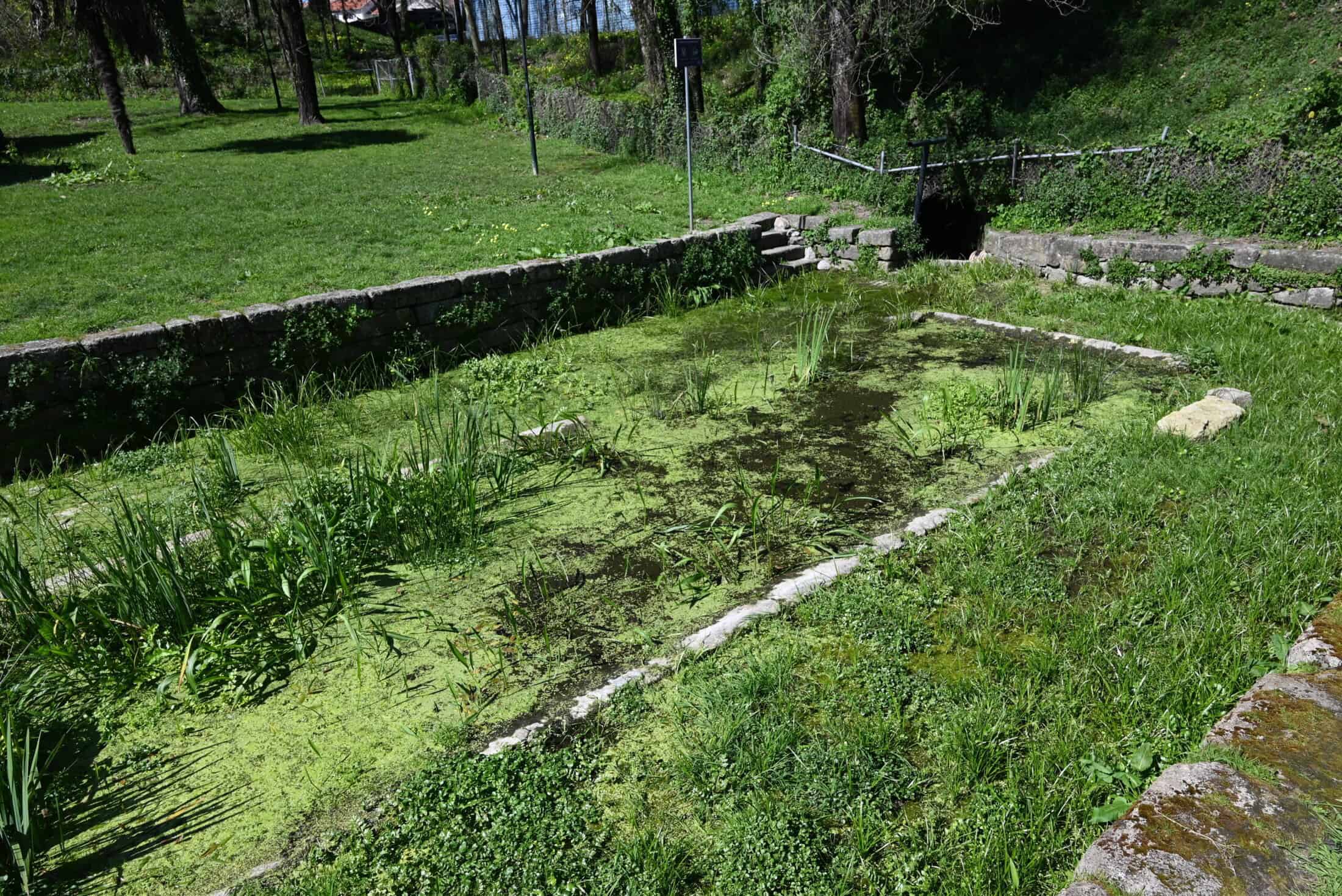
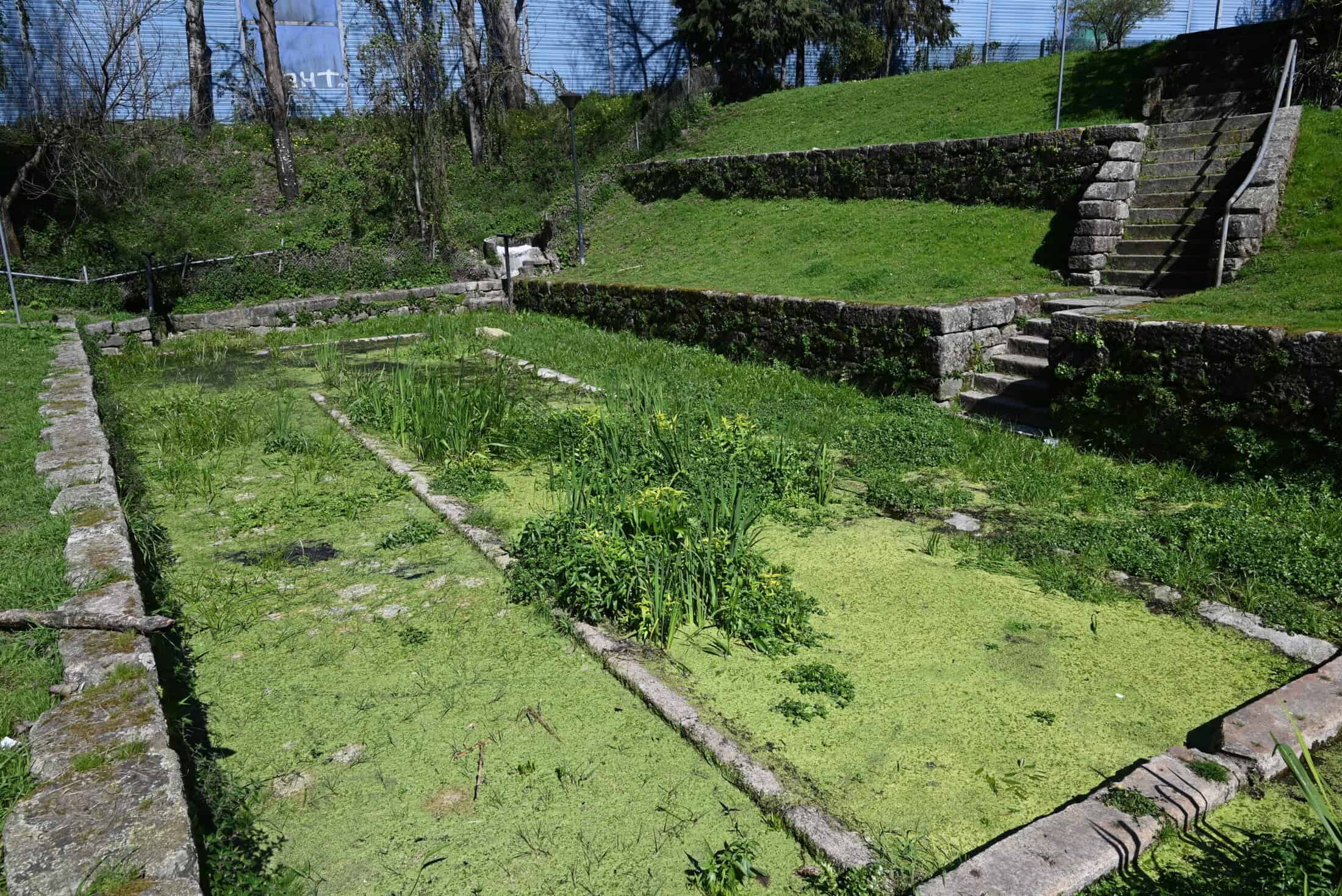
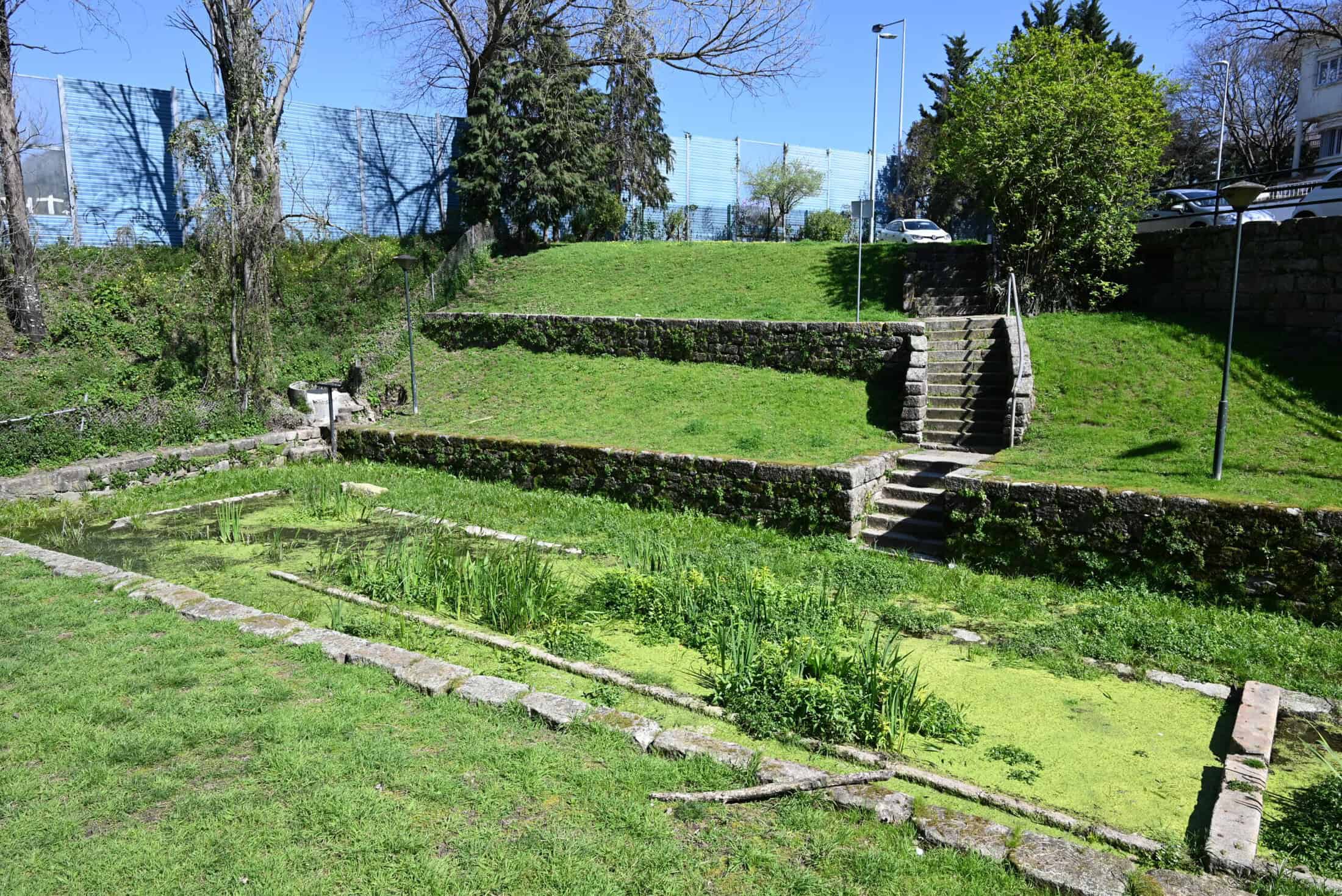
The Tanque do Outeiro, located in the parish of Paranhos, is a body of water divided into two sections that is very important for dragonfly populations and has great ecological potential for the colonization of new species.

During the tank’s rehabilitation, the Municipality of Porto, with support from CIIMAR, removed organic matter and excess vegetation from the banks, cleared urban solid waste, installed ramps and access points for amphibians, and enhanced the biodiversity of the fauna and flora.

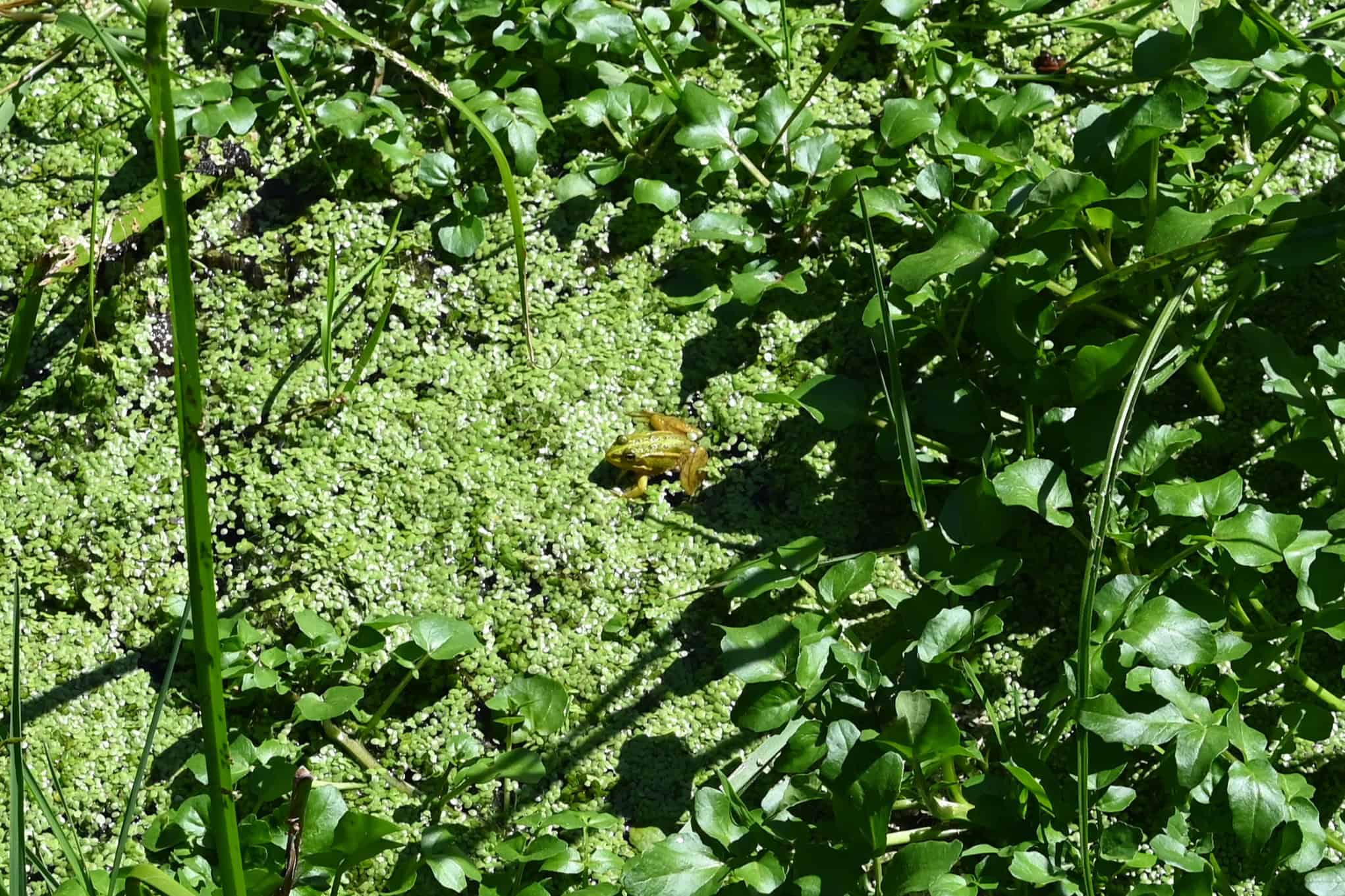
Nowadays, this pond, teeming with diverse flora, is also home to species such as the palmate newt (Lissotriton helveticus), the iberian newt (Lissotriton boscai) and the midwife toad (Alytes obstetricans).

In addition to conserving and promoting biodiversity, this body of water serves the environmental functions of thermal regulation and rainwater harvesting. The water is subsequently drained into one of the branches of the Ribeira da Asprela and infiltrates into the ground, thereby reducing the risk of flooding and promoting the recharge of aquifers.

The rehabilitation of the pond was carried out as part of the MoRe Porto project, now known as Água com Vida Porto. The main objectives of this collaboration are to increase knowledge of the city’s wetlands, mapping, biological inventory and characterisation, with a view to adopting conservation and restoration measures and creating new water bodies.
Partners

CIIMAR

Ecological functions

Improvement of water quality; Improvement of quality of life; Promotion of biodiversity; Reduction of extreme climatic events; Regulation of air quality; Regulation of temperature; Regulation of floods; Carbon sequestration

Sustainable Development Goals

3 - Good Health and Well-Being; 11 - Sustainable Cities and Communities; 13 - Climate Action; 15 - Life on Land

OTHER SUGGESTIONS

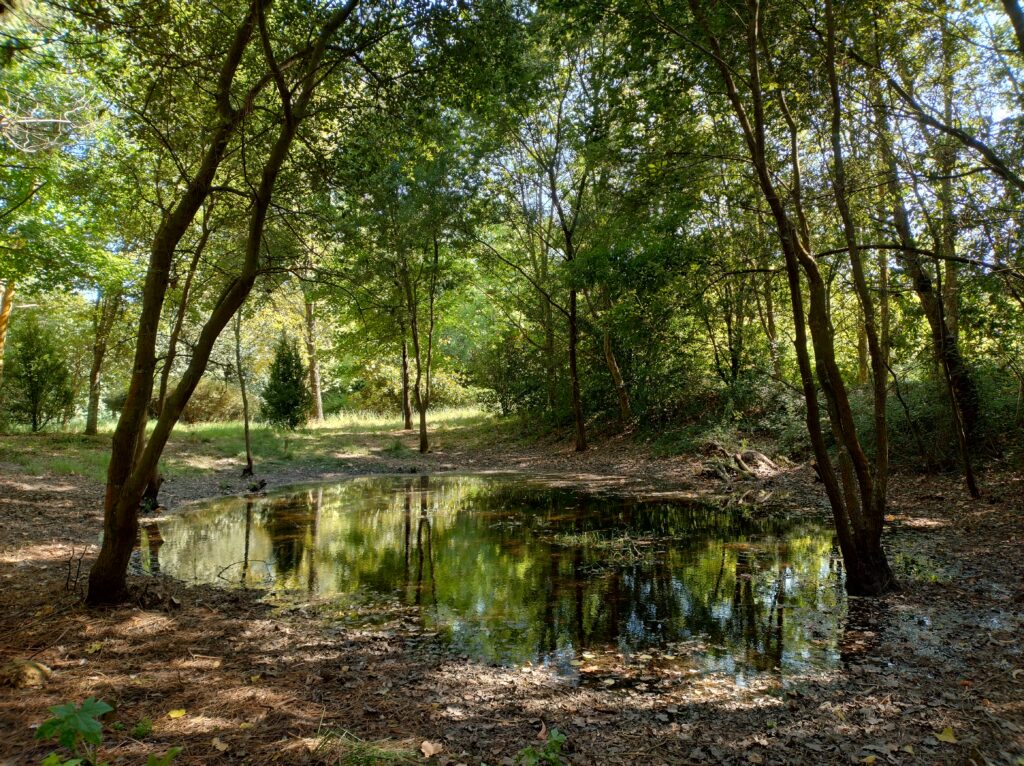
A pond that was built as part of the redevelopment of a school, which is right next door and which, in addition to its teaching function, also serves as a water retention basin for water from the school's roofs, an infiltration point for surplus water in the aquifers and a promoter of biodiversity.
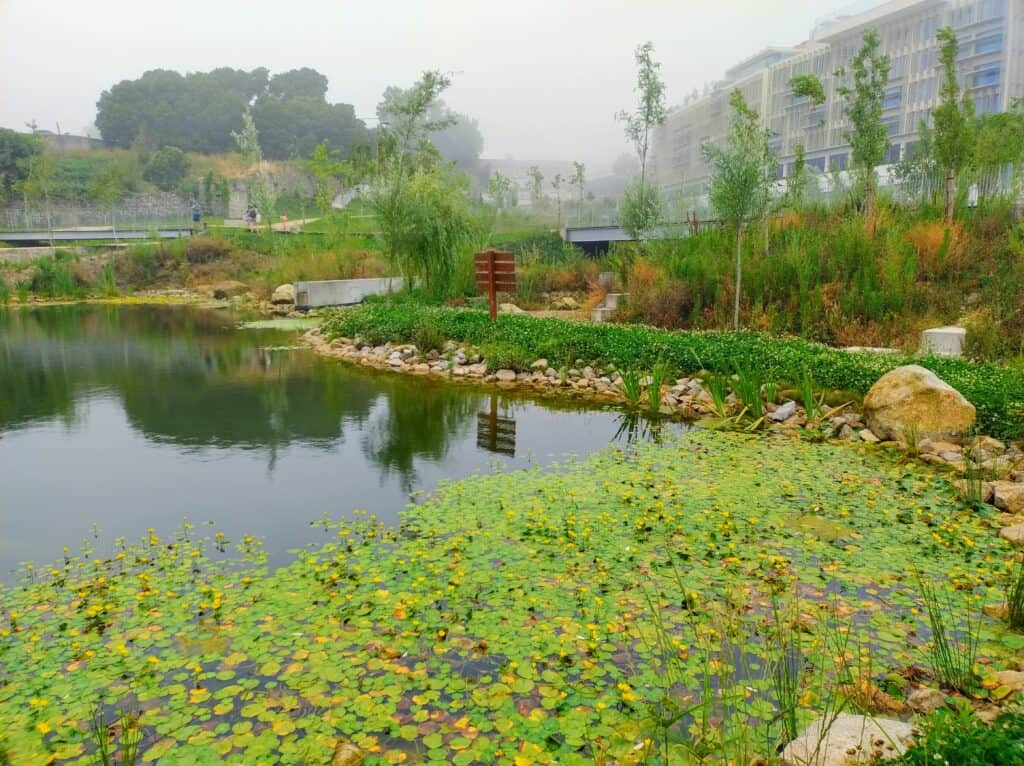
A park with a crucial role to play both in enhancing public space and in the city's renaturation strategy. The retention basin and pond increase local biodiversity and phytodepuration. The aquatic plants introduced help filter pollutants, fix sediments and improve the natural purification of the water.
A large retention basin that filters rainwater, reduces flooding and recharges aquifers. It supports biodiversity with important habitats for amphibians and aquatic plants. It also offers leisure areas, integrating urban functionality and environmental sustainability.