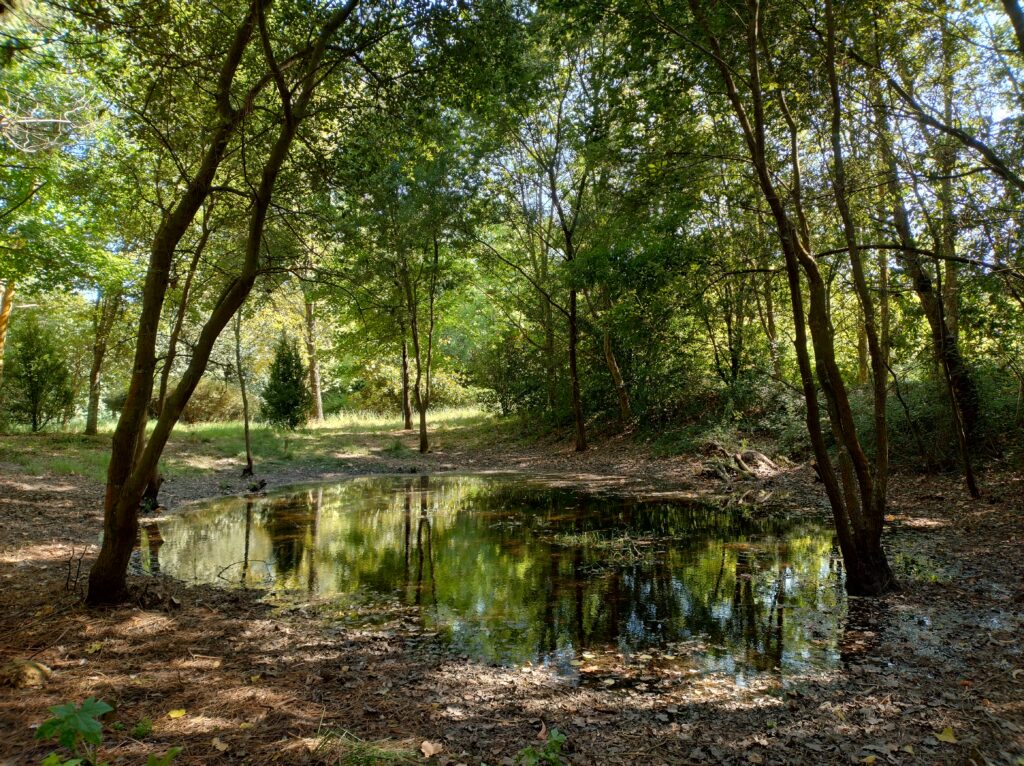
‘Charco Maravilha’ is a small, temporary body of water situated in Parque da Cidade, fed by rainfall, surface runoff and, possibly, the shallow water table. Its hydrological regime is distinctly temporary and variable, depending on seasonal weather conditions. The name ‘Charco Maravilha’ comes from the discovery in this pond in the 2000s of the greatest […]
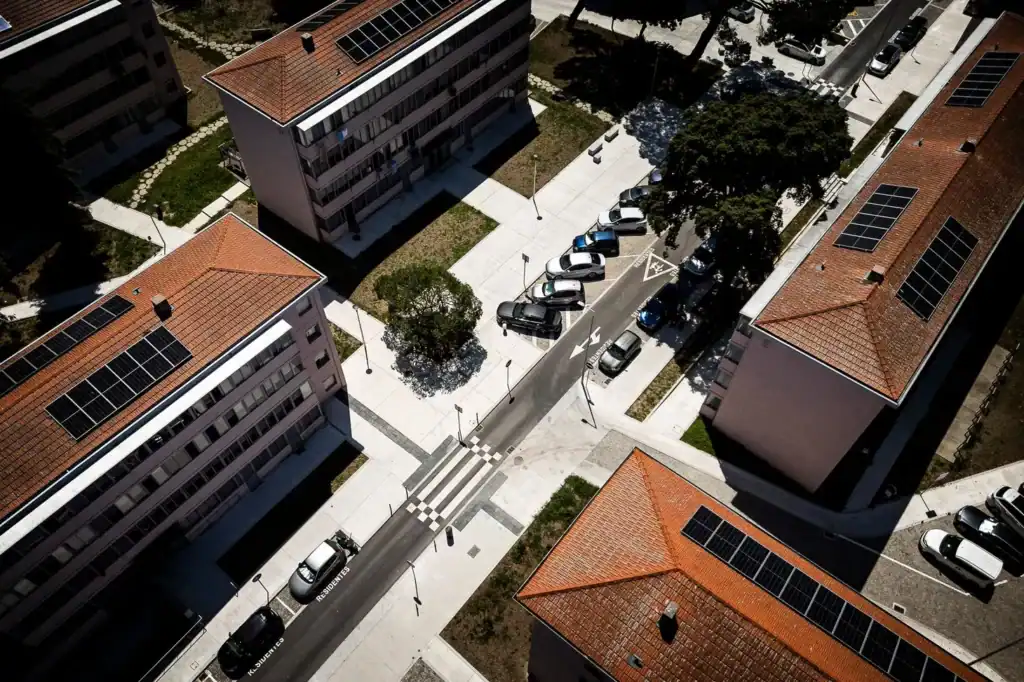
The Agra do Amial Renewable Energy Community (REC) was implemented in 2024 with the aim of supplying and sharing electricity between the buildings that make up the REC, in a self-consumption model. The total installed power is around 127 kWp, distributed across 233 photovoltaic solar panels, of which 205 are located in the Agra do Amial […]
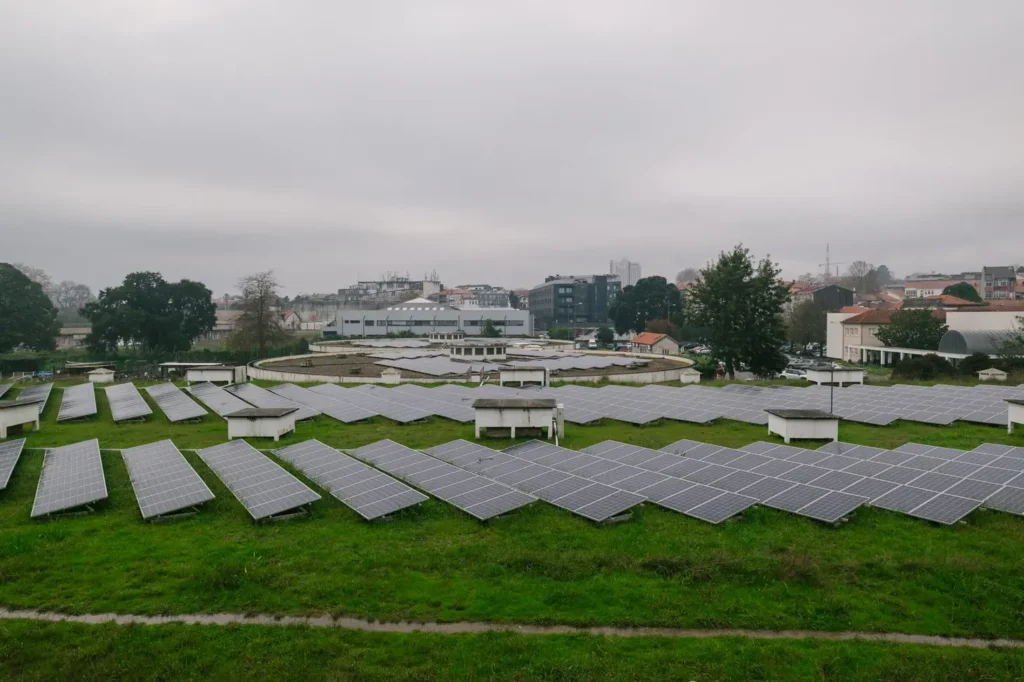
The installation of the 454 kWp park guarantees self-sufficiency on sunny days, powering the campus buildings and the electric vehicle park, as well as selling the surplus. With 1,228 panels on the roofs of the three reservoirs, it is a milestone in Porto's economic and environmental sustainability.
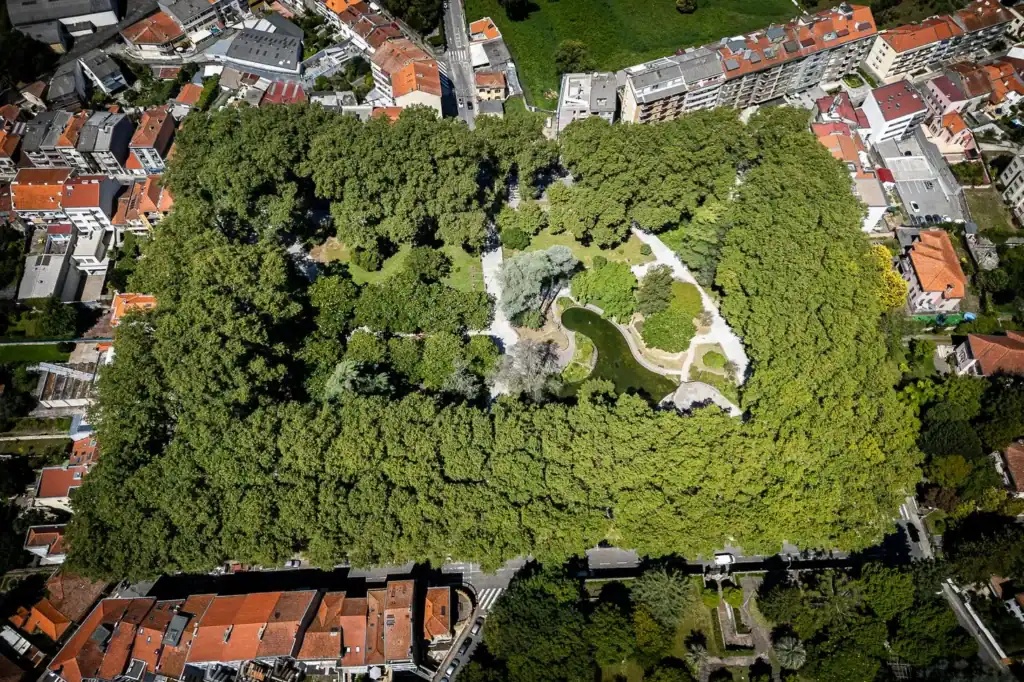
The Arca D’Água Garden, in Praça 9 de Abril, was inaugurated in 1928. Its underground structure dates back to the early 17th century, when the reservoirs served as a central point for supplying water to the city. The redevelopment of the square in 2023 included the renovation of the pedestrian network, replacing the existing pavement […]
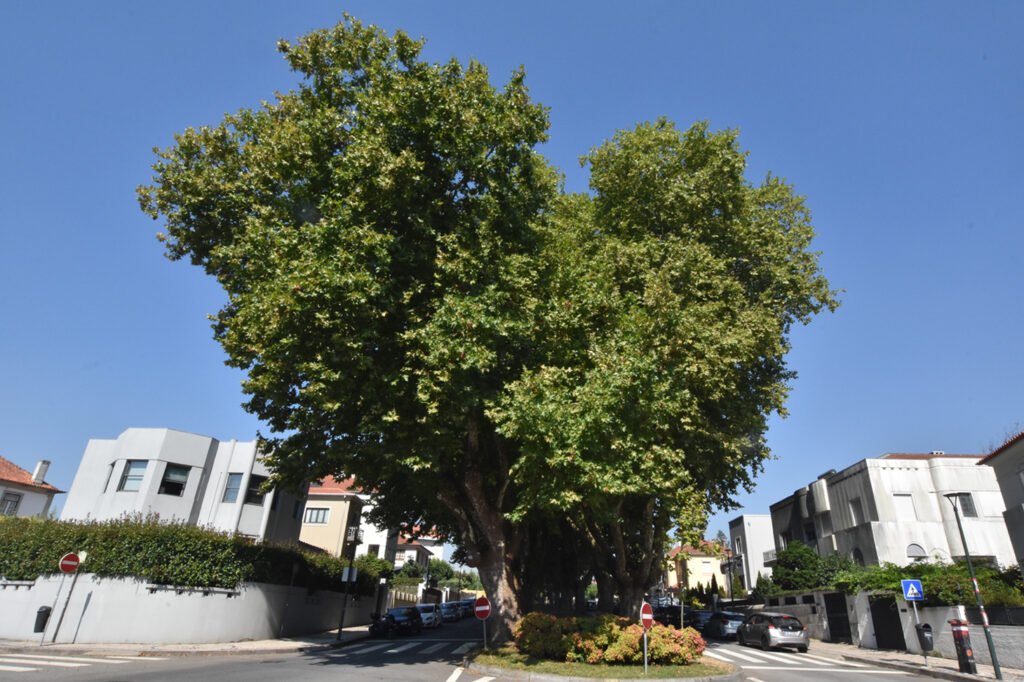
Avenida dos Combatentes da Grande Guerra, in the parish of Bonfim, is lined with trees along its entire length. This row of trees is located in the middle of the avenue, separating the lanes, and consists of 120 classified trees: 118 Platanus trees (69 Planatus orientalis and 49 Platanus acerifolia) and 2 tulip trees (Liriodendron […]
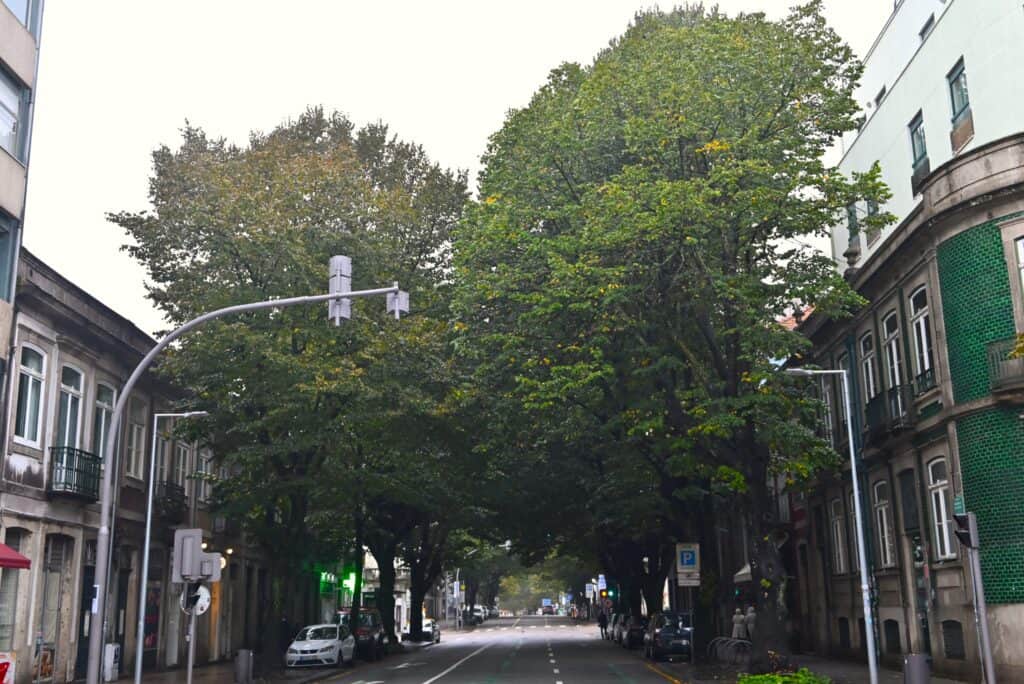
The Avenida Rodrigues de Freitas, in the parish of Bonfim, is lined with trees consisting of 11 small-leaved lime trees (Tilia cordata), 2 large-leaved lime trees (Tilia platyphyllos), 34 silver lime trees (Tilia tomentosa) and 15 European lime trees (Tilia europeae). The planting of trees along the street contributes to the thermal regulation of the […]
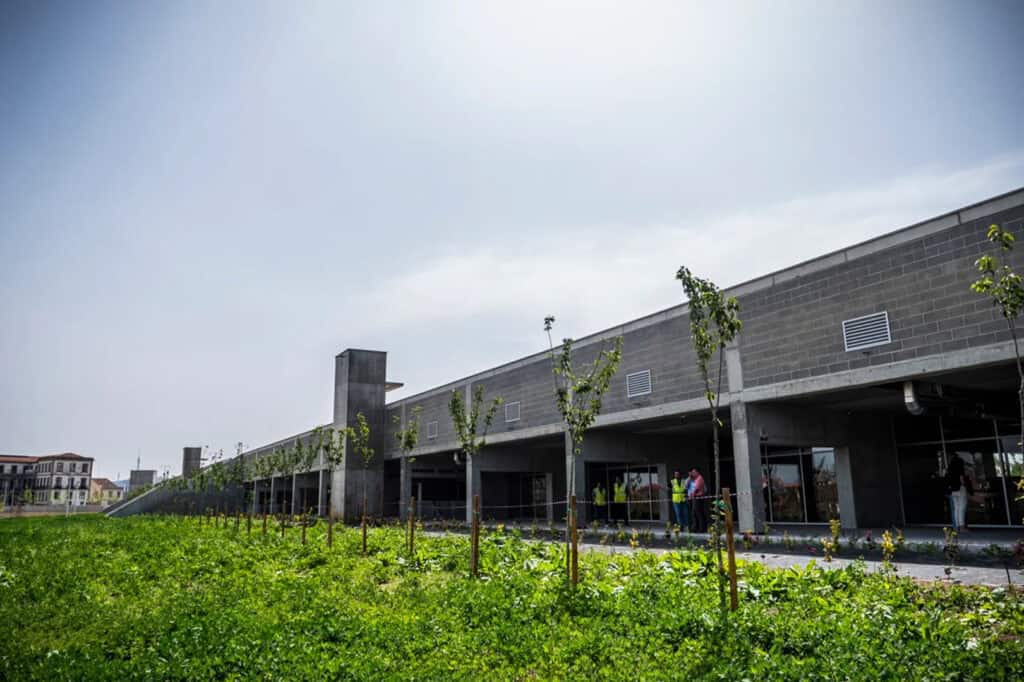
The Campanhã Intermodal Terminal (TIC) has the largest green roof in the city, which helps to absorb all the air and visual pollution from the terminal. It was the first public building in the country to achieve the LEED (Leadership in Energy and Environmental Design) level of environmental certification in 2025.
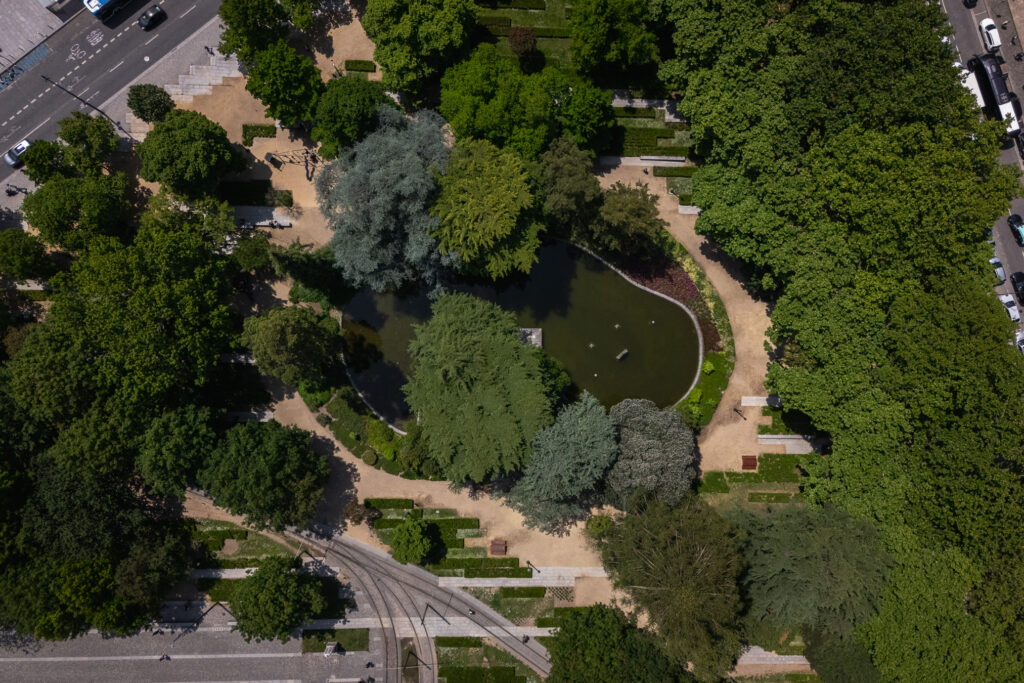
A garden that is a green lung in the center of Porto, combining history and sustainability. Recently refurbished, it has improved drainage, lighting and paving, enhancing biodiversity and reducing flooding. It houses trees of public interest and is a vital cultural and social space.
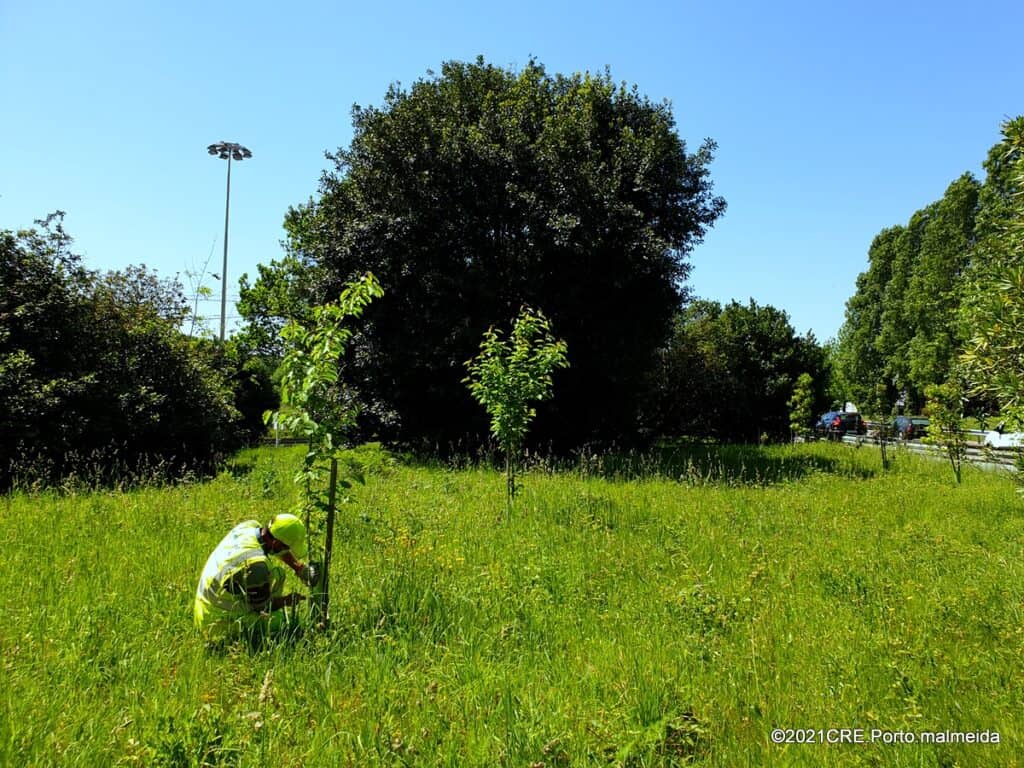
The Francos junction, one of the busiest on the VCI, has a vital forest to mitigate climate impacts and capture carbon. 1,079 native trees and shrubs of 20 species were planted, such as hawthorn, hazel and strawberry trees, produced with the support of volunteers from the Municipal Nursery.
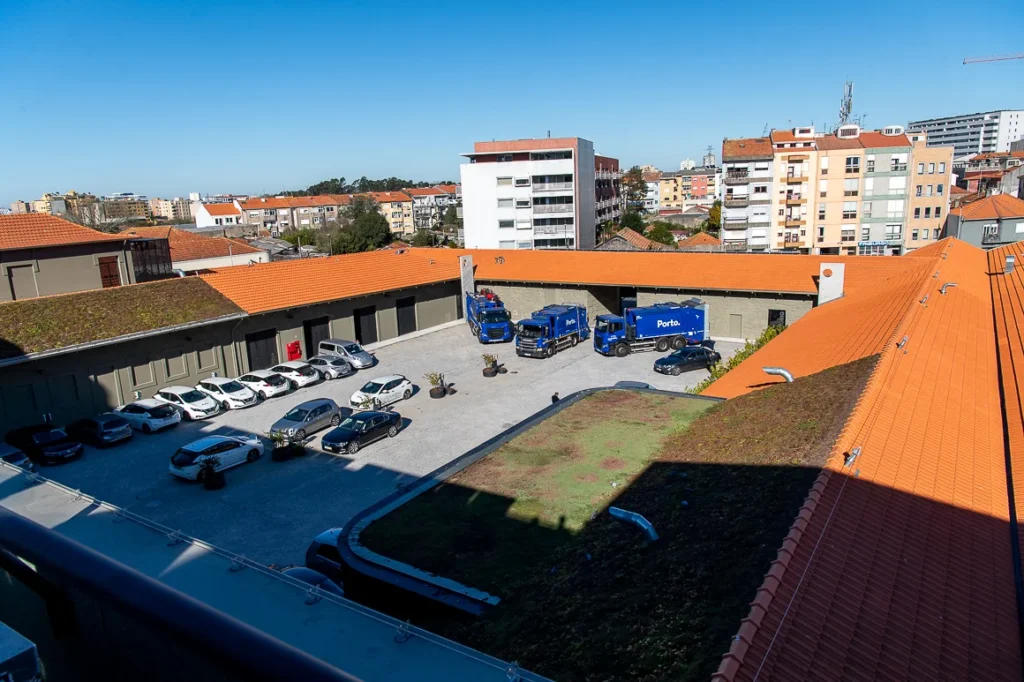
The historic building, which was in a state of disrepair, was rehabilitated taking into account sustainable construction practices, incorporating two green roofs and energy efficiency improvements that enabled it to obtain LEED (Leadership in Energy and Environmental Design) certification.
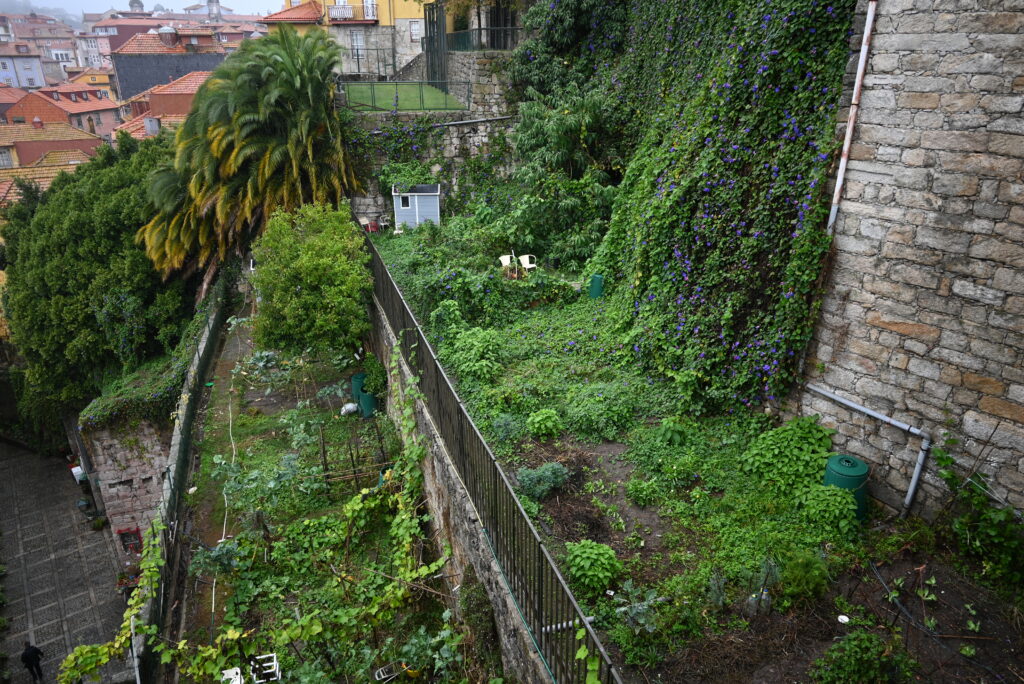
Located in the parish of S. Nicolau, with an area of 498 m², it is composed by 13 plots. The Horta da Lada is part of the Municipal Network of Urban Vegetable Gardens, which includes 14 vegetable gardens, with 4 hectares of Municipal Vegetable Gardens, where 400 composters are installed. In addition, it is part […]
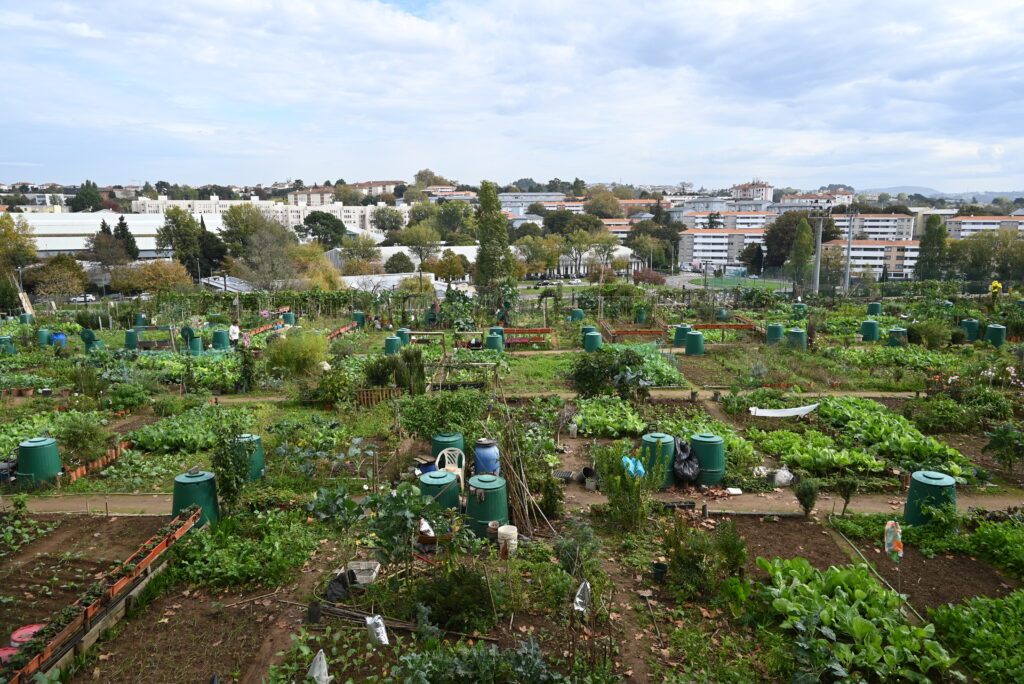
A garden that promotes organic farming and social integration, combining environmental, social and economic benefits. It is an educational center that provides opportunities for environmental education. The space also includes a pond that collects rainwater, boosting water retention and local biodiversity.