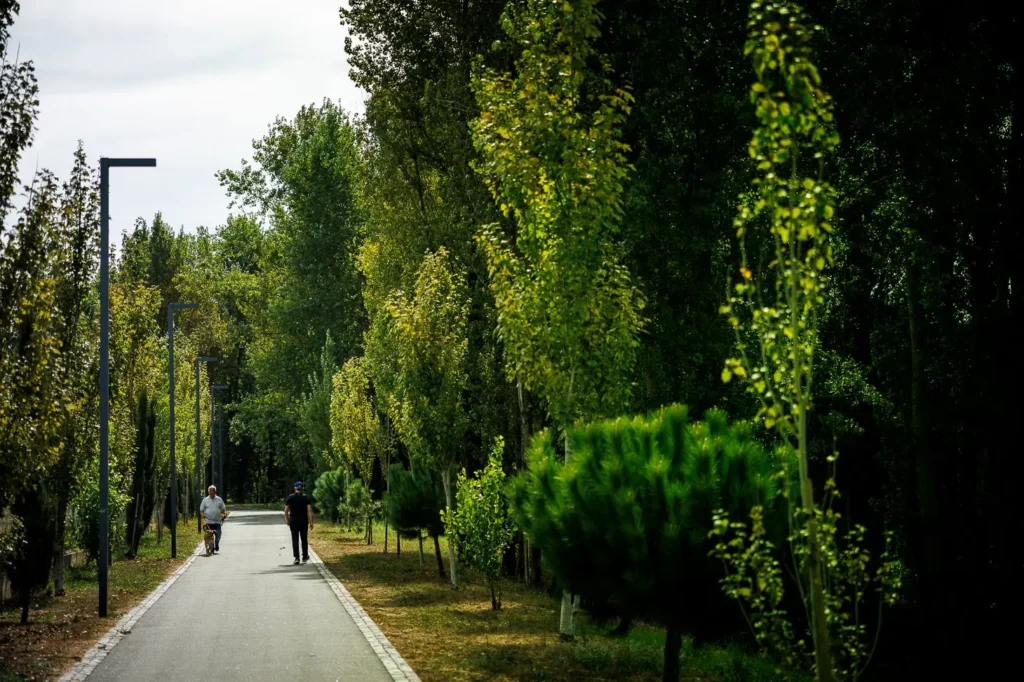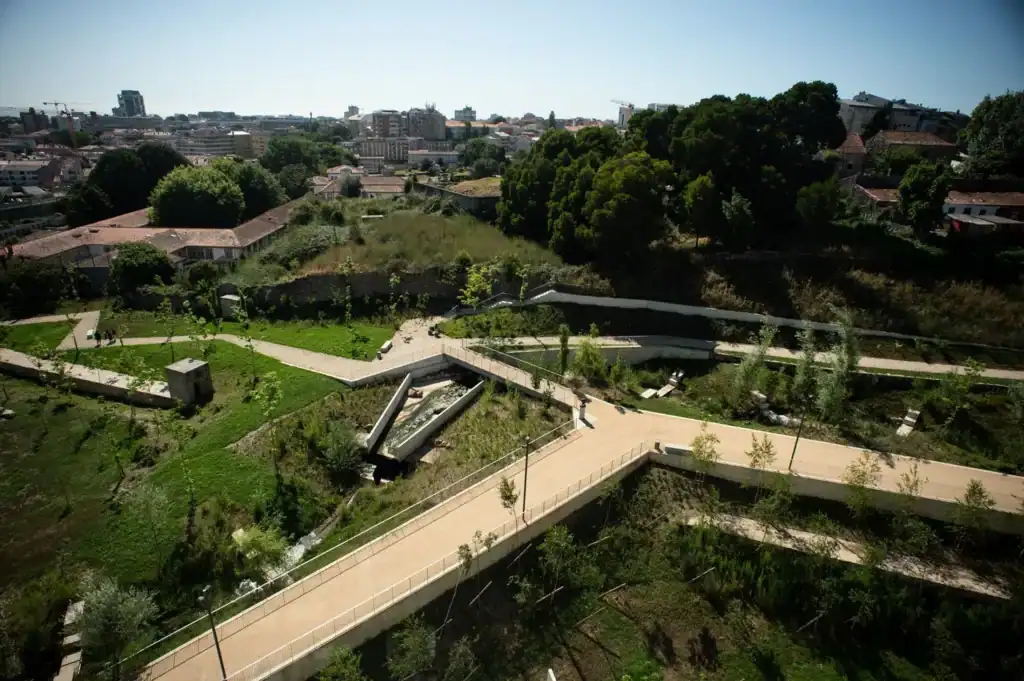
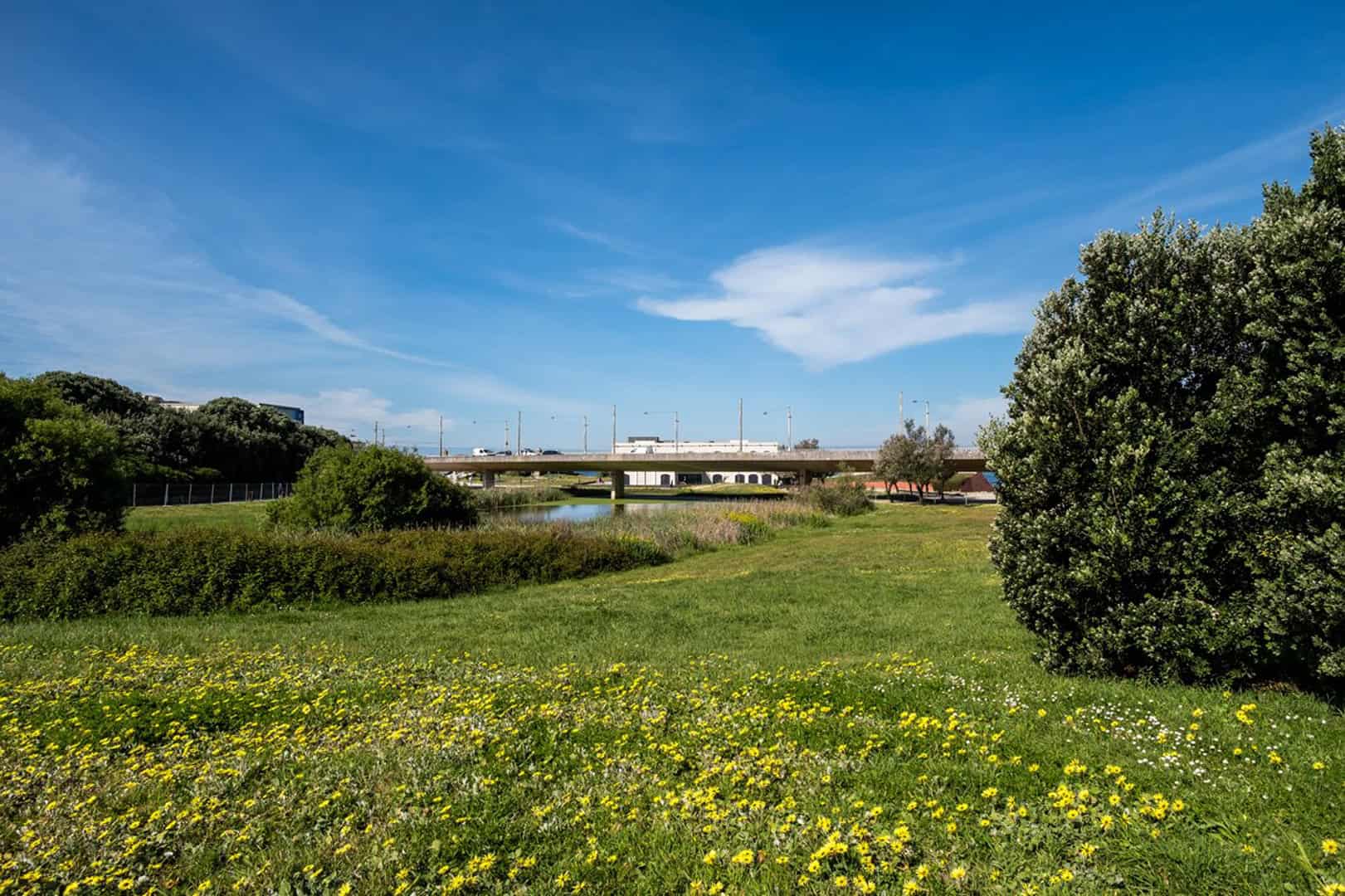
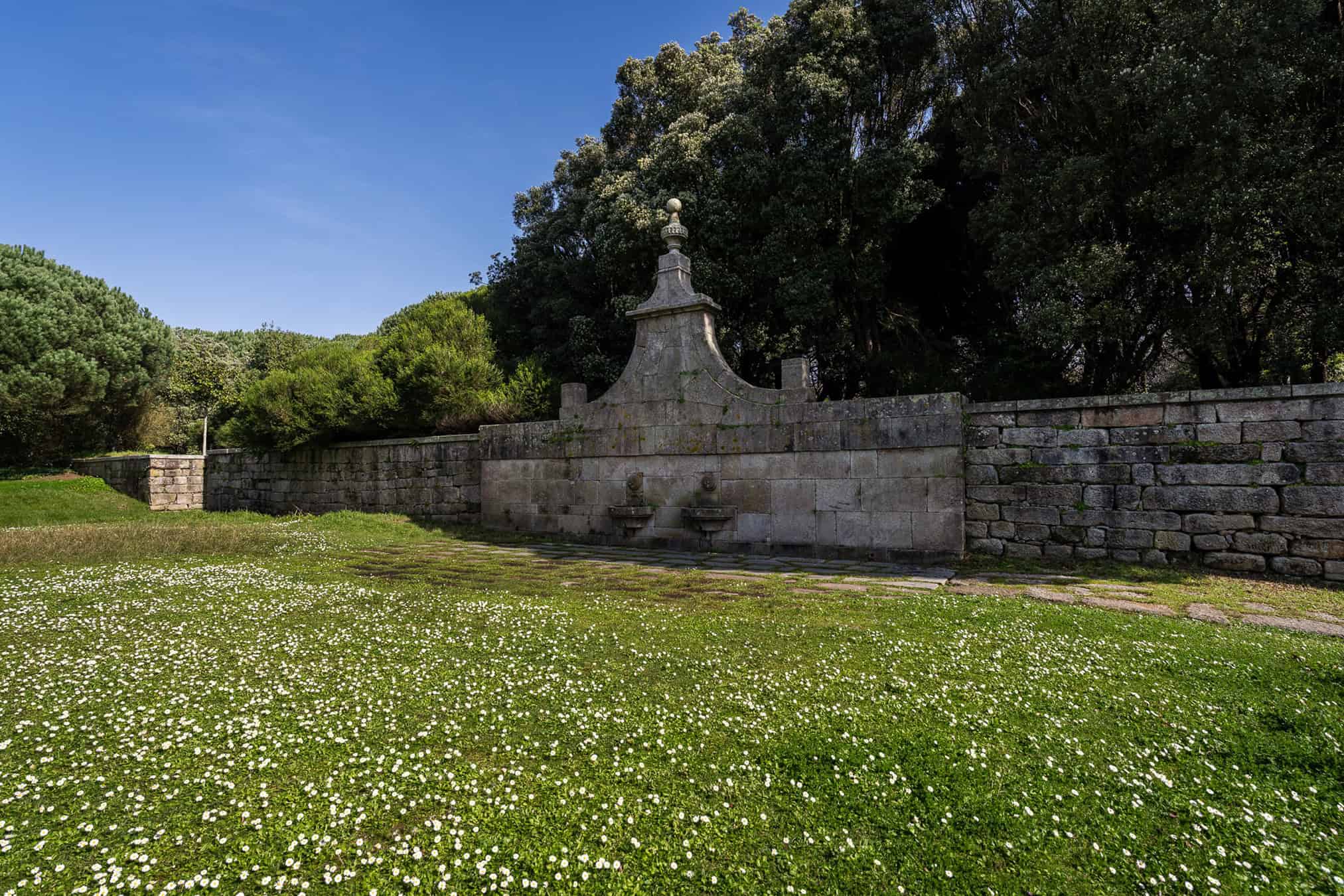
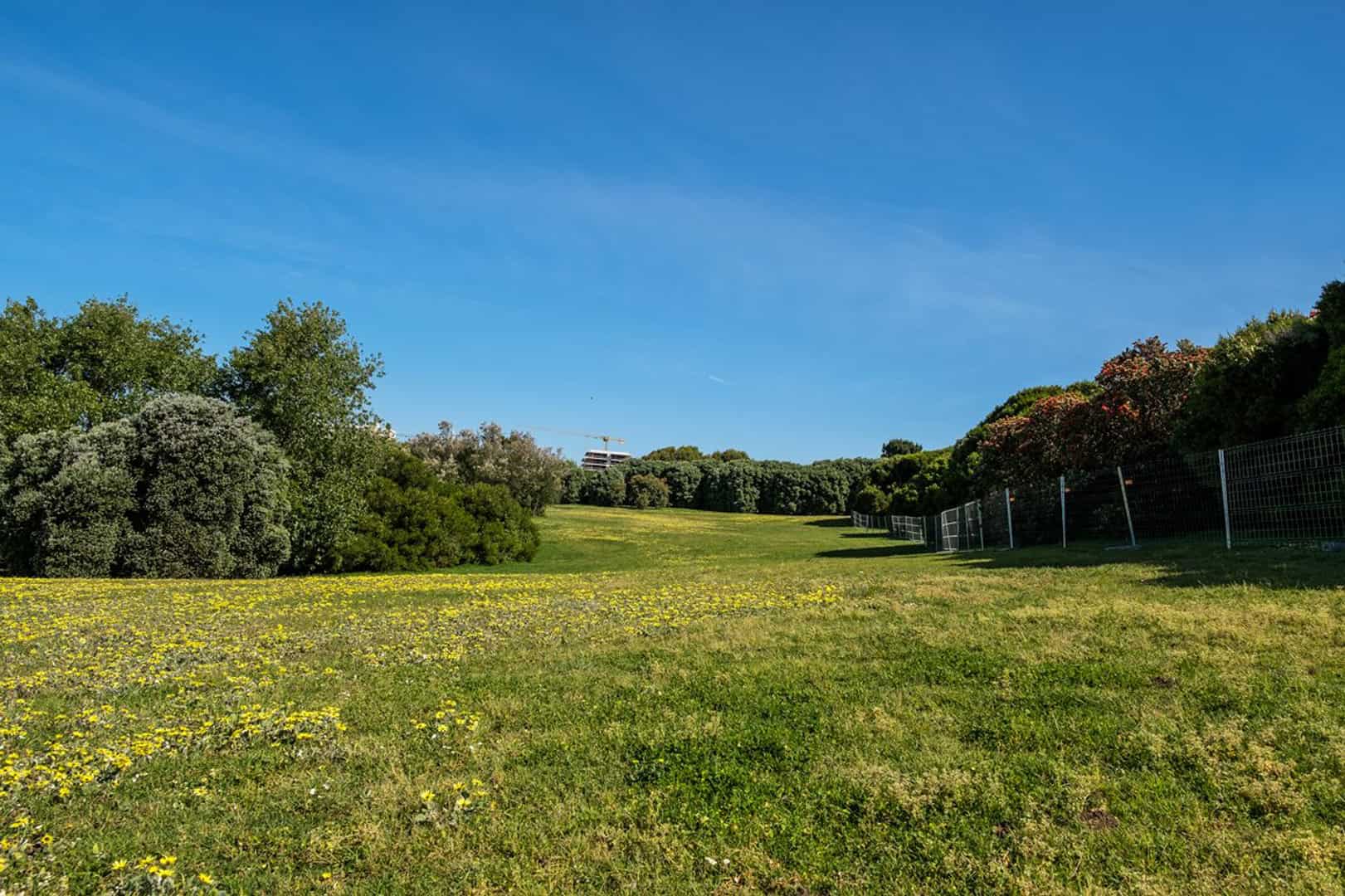
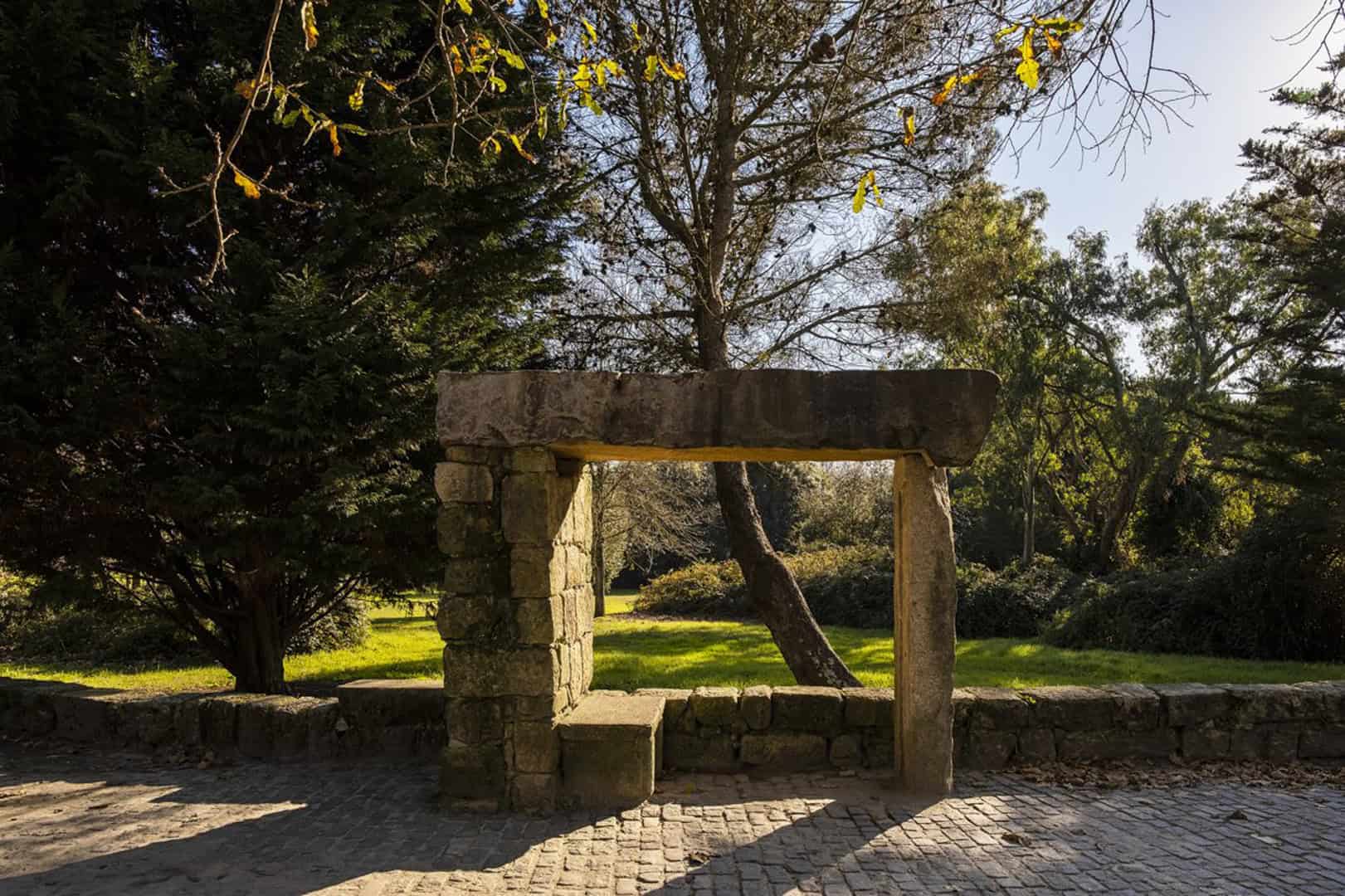
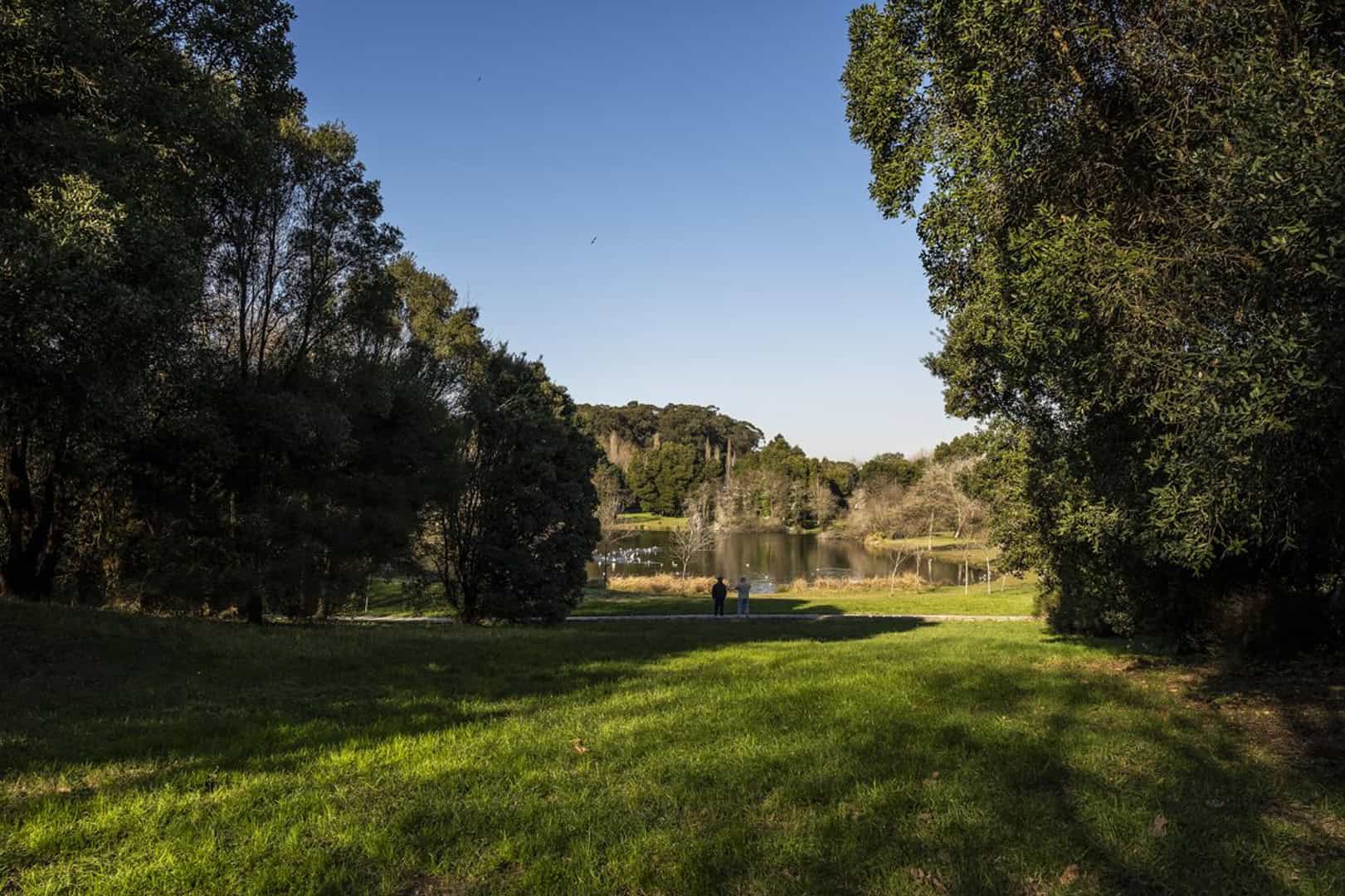
Parque da Cidade do Porto, inaugurated in 1993 and designed by landscape architect Sidónio Pardal, is the largest urban green area in the country, with 83 hectares extending to the seafront, making it the only European urban park with a seafront. Since it was built and over its three decades of existence, it has been subject to enlargement and improvement interventions that have integrated nature-based solutions to promote environmental and urban sustainability and adaptation to climate change.
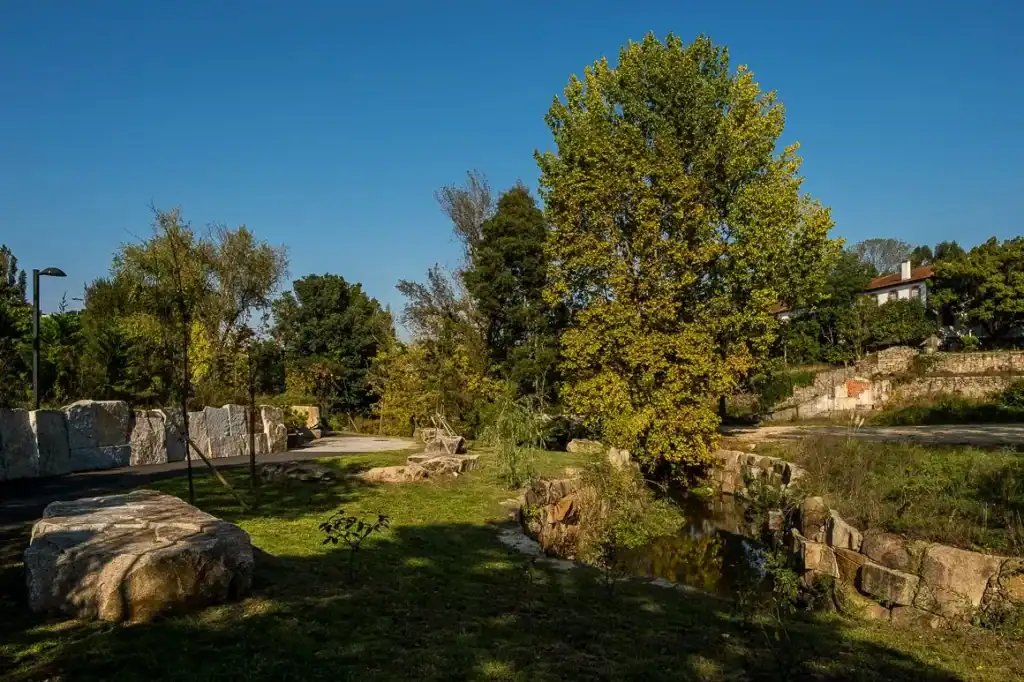
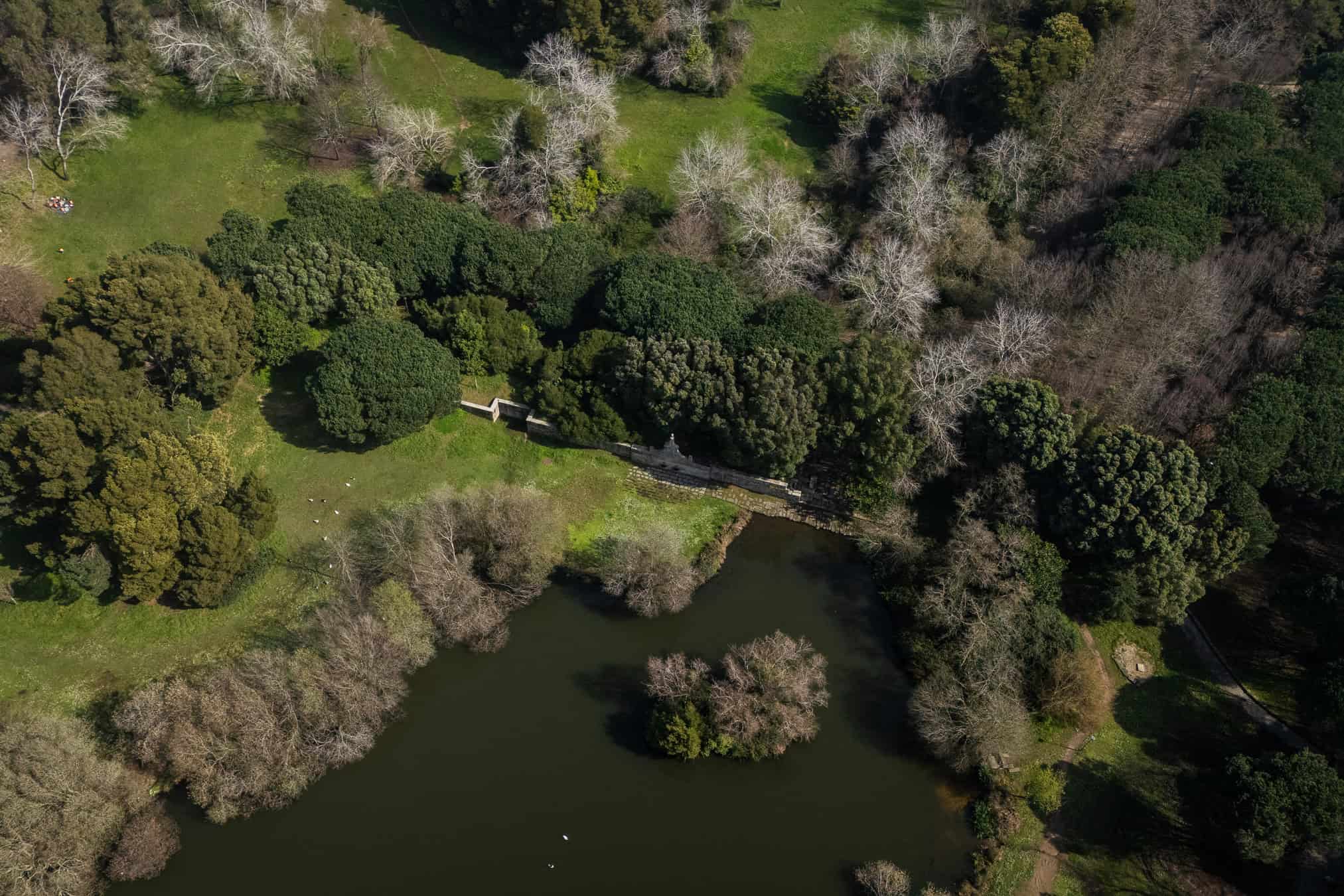
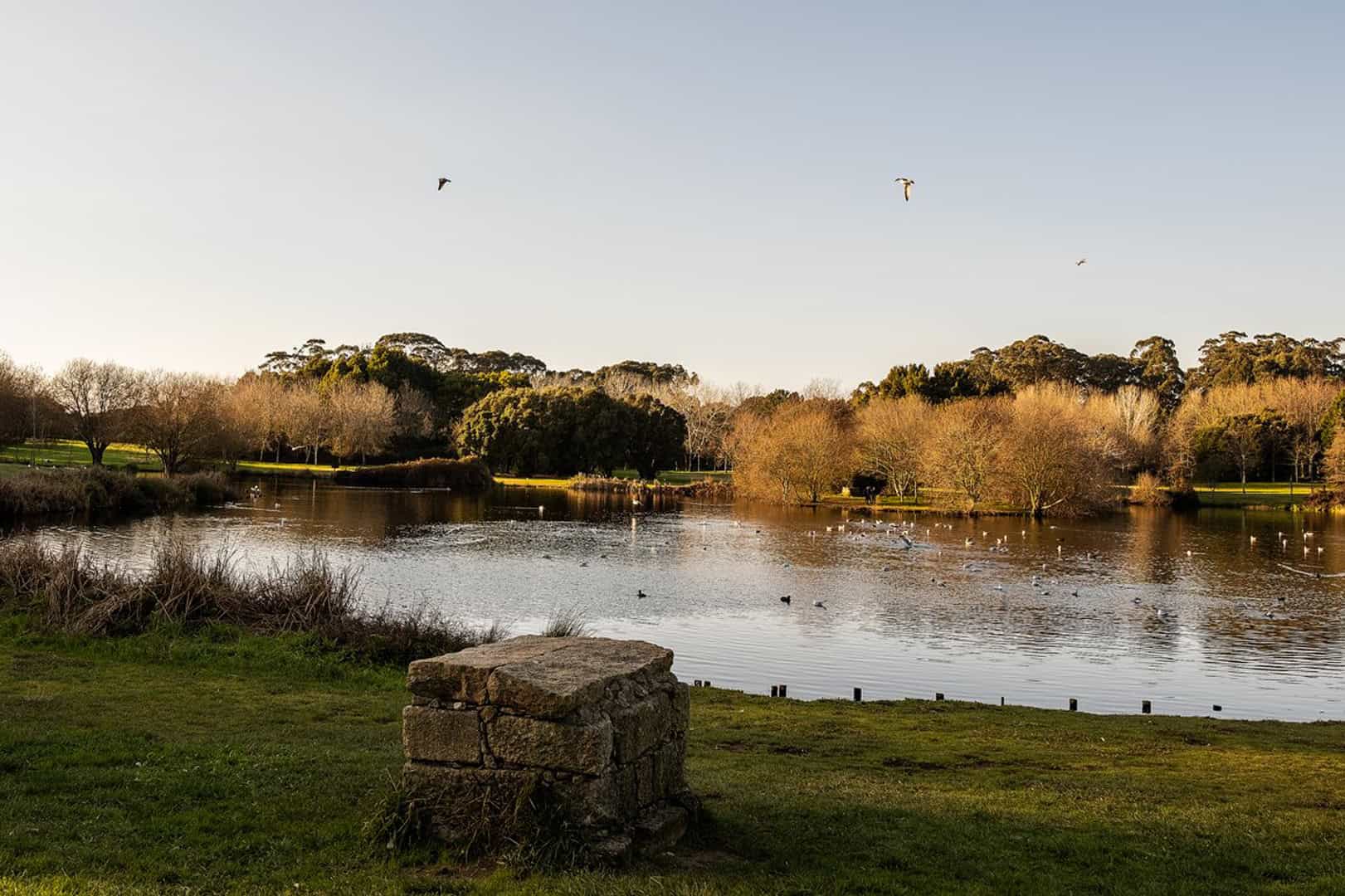
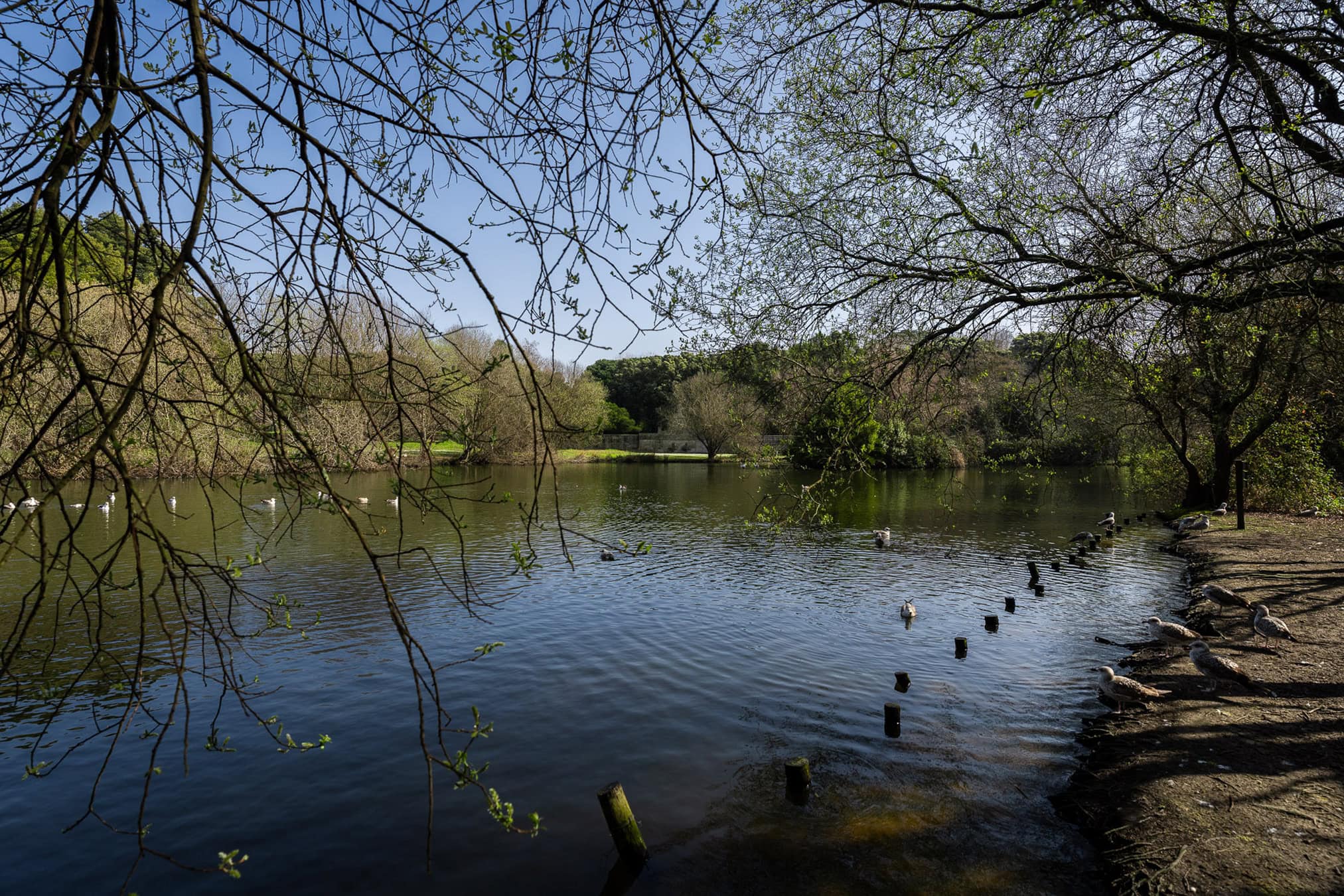
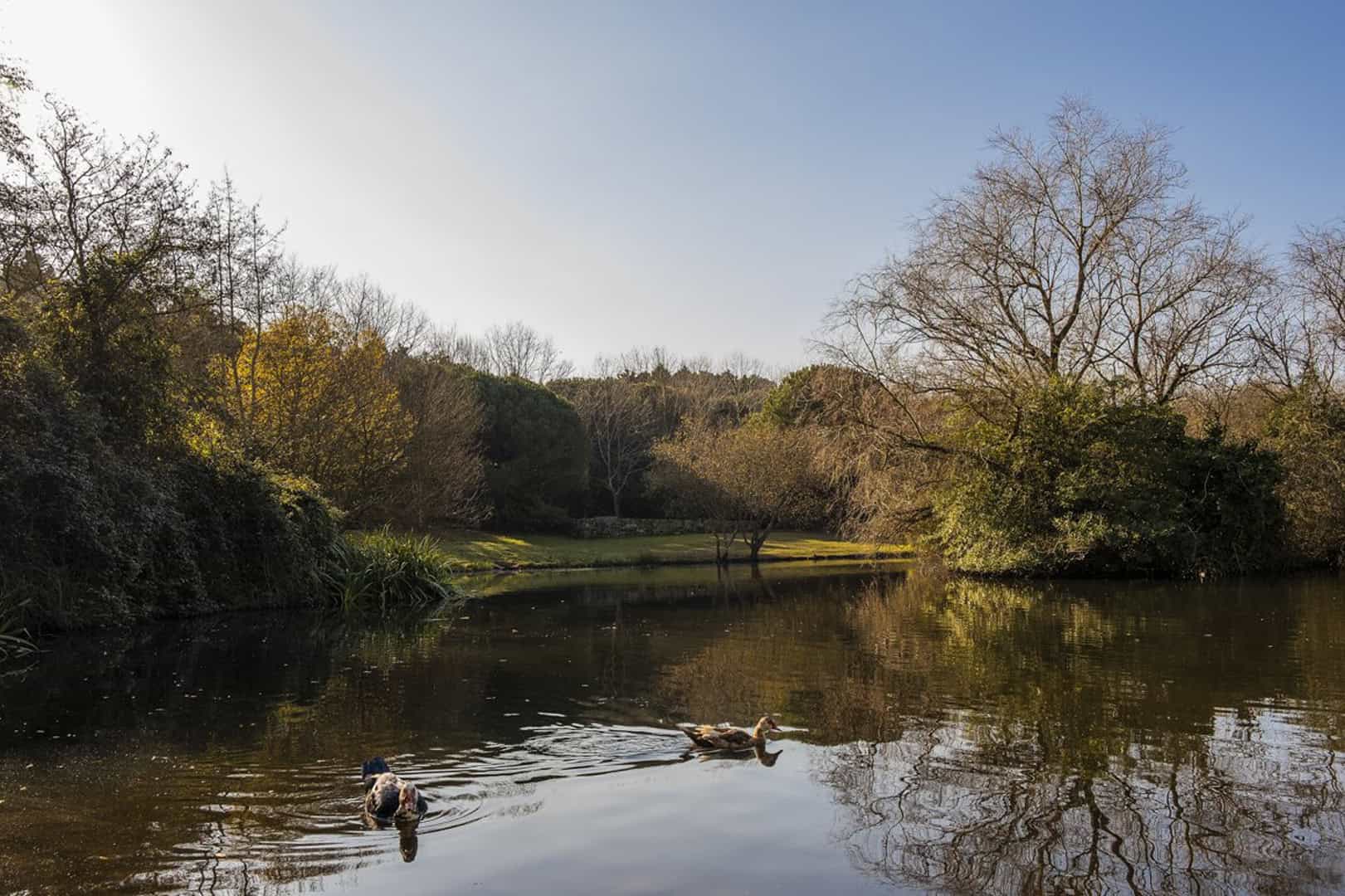
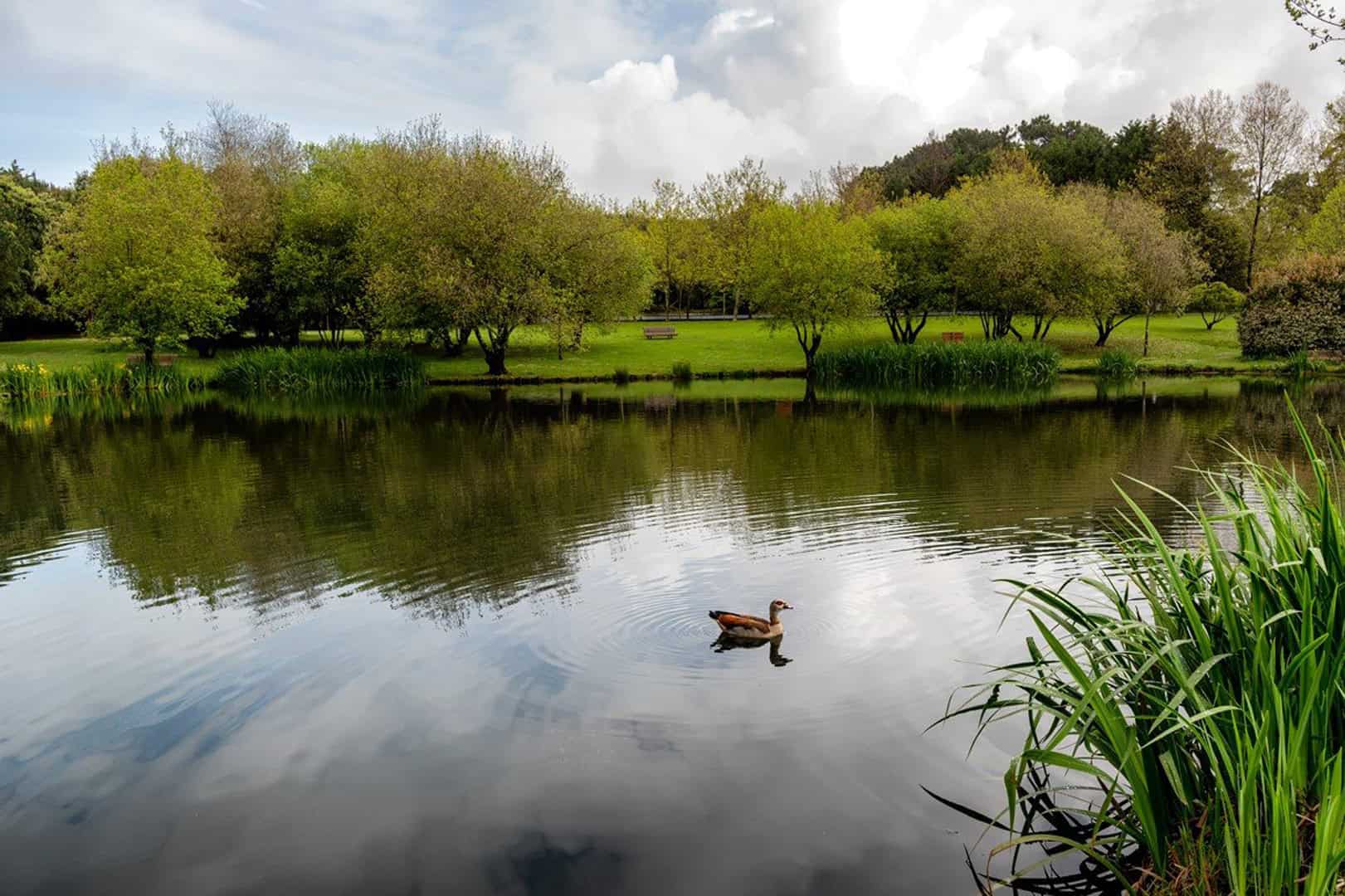
In a network of approximately 10 km of paths, its large green areas, diversity of trees (around 13.000 trees in total) and naturalized soil management contribute to thermal regulation, improvement of air quality and conservation of biodiversity. The lakes, ponds and permeable soils act as green infrastructures that facilitate the retention and infiltration of rainwater, which prevents flooding and supports aquatic ecosystems.
This park serves as a habitat for several species, including some protected ones, such as the iberian spadefoot toad (Pelobates cultripes); and a refuge for many wild birds, which is why it is one of the locations included in the Anilhagem Científica de Aves project. This project aims to understand the importance of certain areas of the city for different species. So far, 12 individuals from six different species have been banded in the Parque da Cidade.
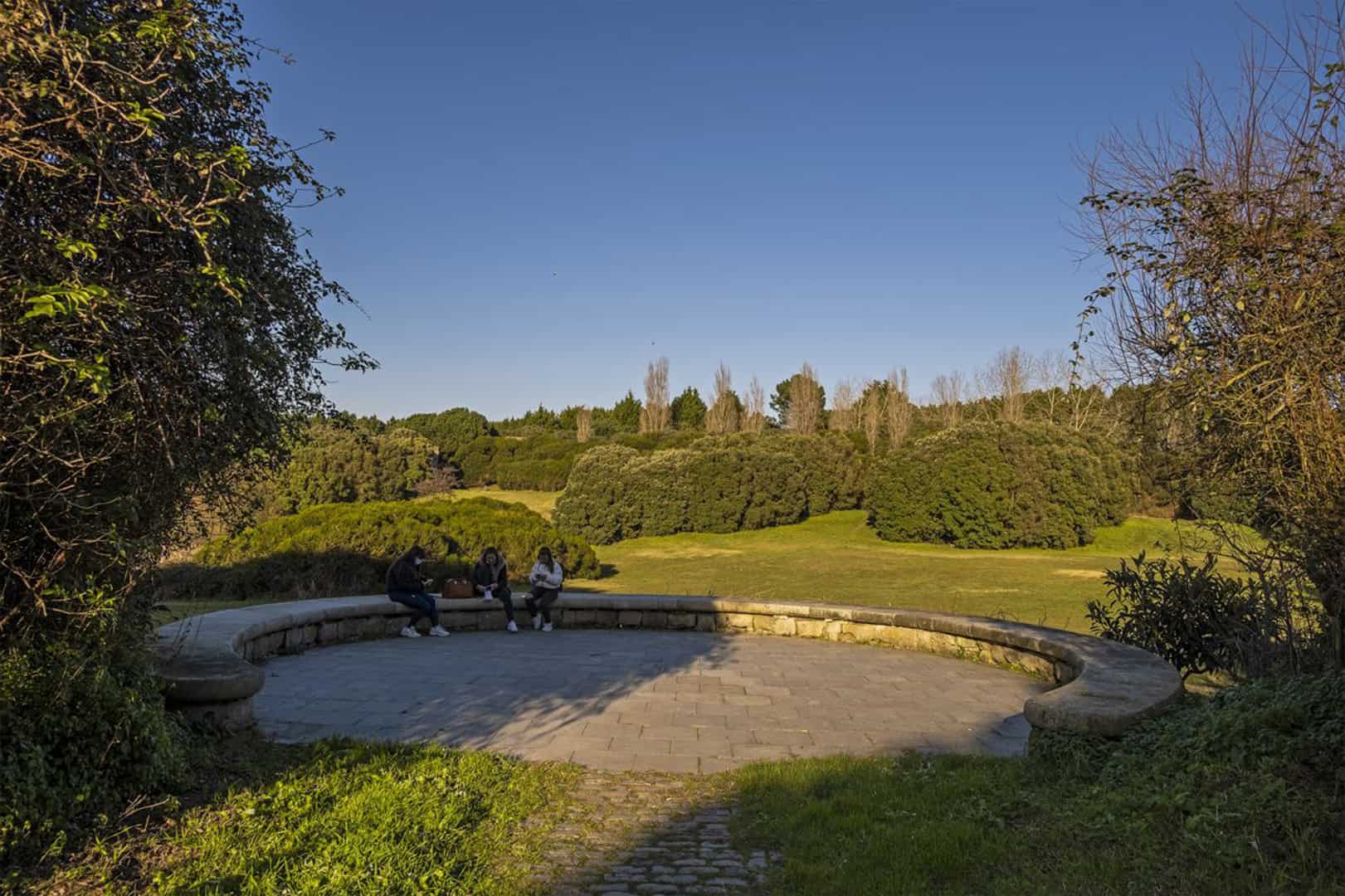
In addition to its environmental benefits, the park has an important social and educational function. It includes spaces for observing nature, trails and programmes such as ‘Observa!’ that encourage community involvement and environmental education. It provides places for leisure, sport and contact with nature, thus contributing to the physical and mental well-being of the population and visitors. Therefore, the Parque da Cidade is a clear example of how nature-based solutions can integrate environmental conservation, climate adaptation and improving the quality of urban life.