Photovoltaic Panels at the Falcão Elementary School
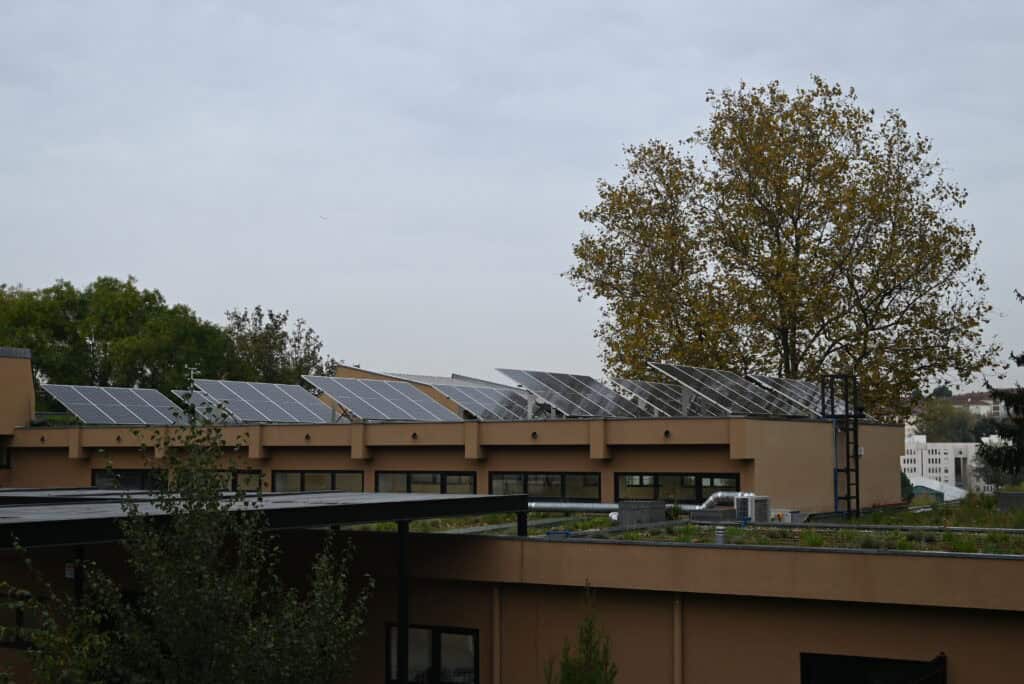
40 photovoltaic panels were installed on one of the green roofs of the Falcão Elementary School. This Self-Consumption Production Unit (UPAC) has an annual production of 28.63 kW/h of electricity, which corresponds to 60% of the energy consumed by the school and is equivalent to a reduction in CO2 emissions of 7,39 tonnes per year. […]
Parque Oriental
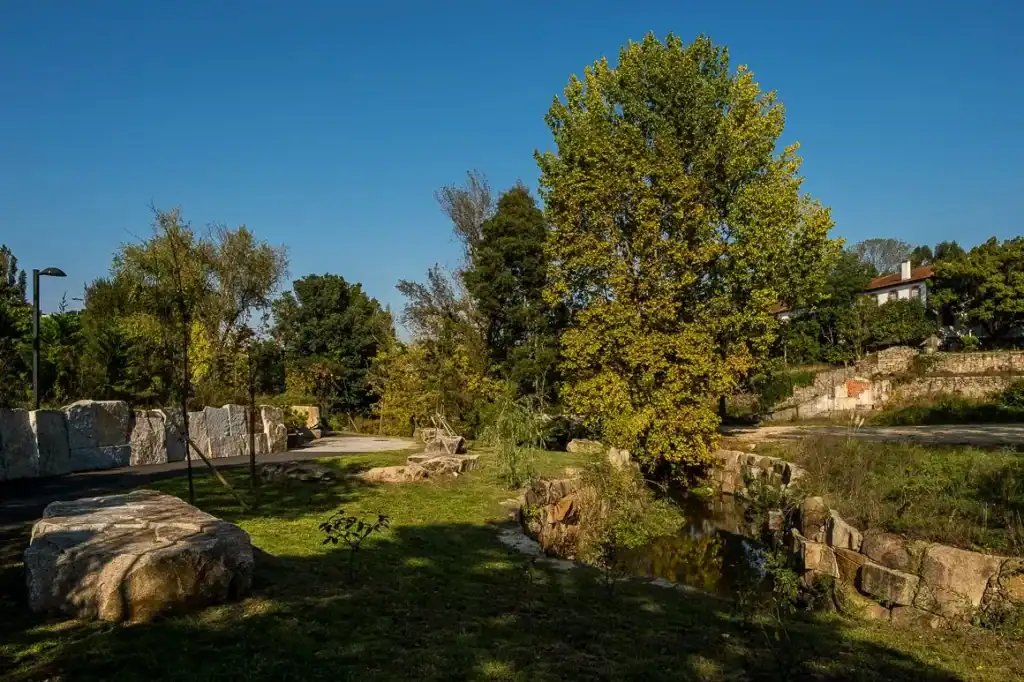
The Parque Oriental, located in Campanhã, is Porto’s second largest park, following Parque da Cidade. Designed by architect Sidónio Pardal, a linear park was developed along the banks of the Rio Tinto, with a total of 16,7 hectares of green space, from Freixo to Pego Negro, where there are several footpaths and cycle paths. Currently, […]
Photovoltaic Panels at the Freixo Wastewater Treatment Plant
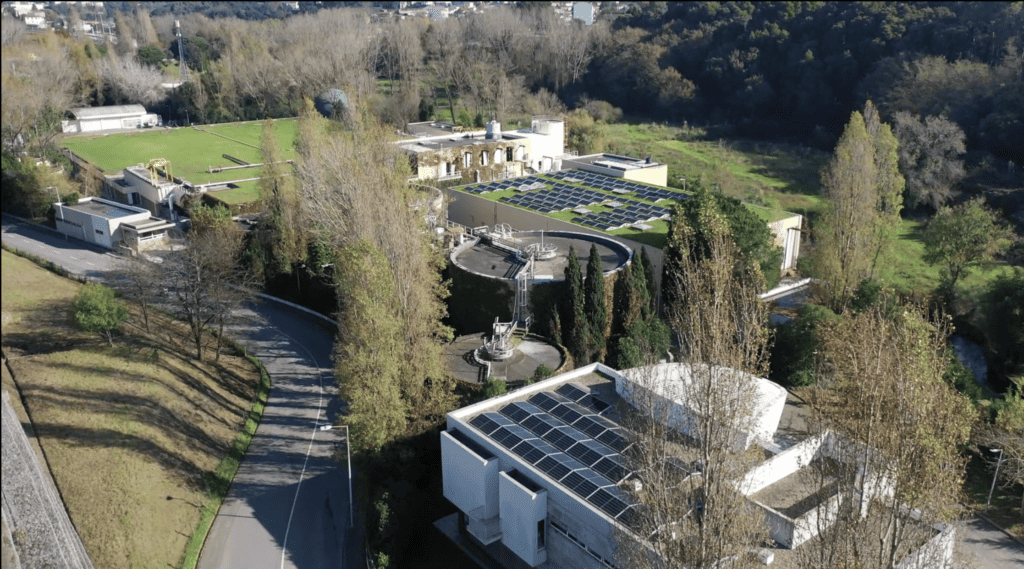
Through the cross-border AQUALITRANS II project, 242 photovoltaic panels were installed in 2023 at the Freixo Wastewater Treatment Plant (WWTP), distributed across the administrative building and the building where water pre-treatment is carried out. The Self-Consumption Production Unit, with a total implementation area of 619 m2, has an installed capacity of 133 kWp and an […]
Tanque de Contumil
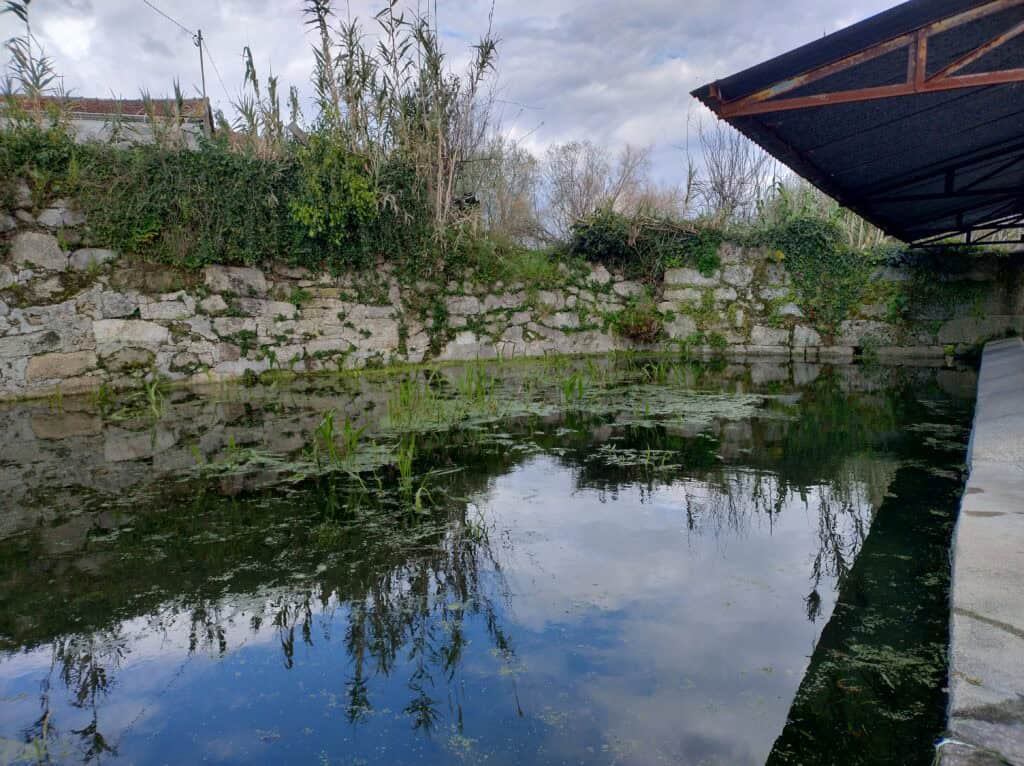
A pond, once used for traditional purposes, was renaturalized by removing invasive plants and installing ramps for amphibians. Today it is a vital refuge for aquatic biodiversity, with several native species, promoting coexistence between nature and local agriculture.
Water body of Campanhã Intermodal Terminal
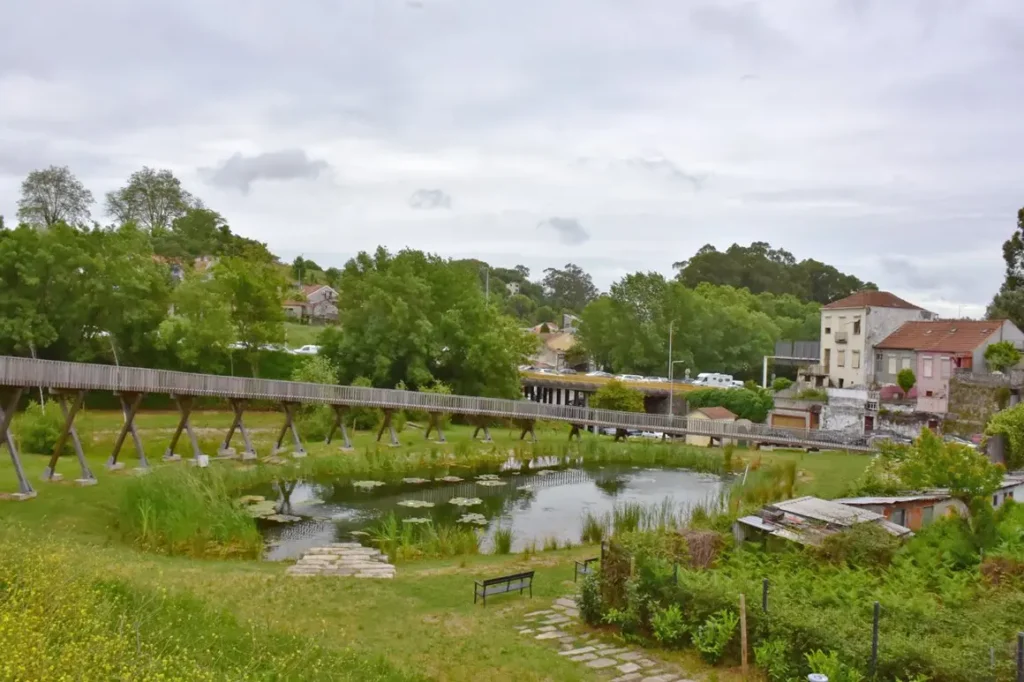
A large retention basin that filters rainwater, reduces flooding and recharges aquifers. It supports biodiversity with important habitats for amphibians and aquatic plants. It also offers leisure areas, integrating urban functionality and environmental sustainability.
Porto BioLab – Quinta de Salgueiros
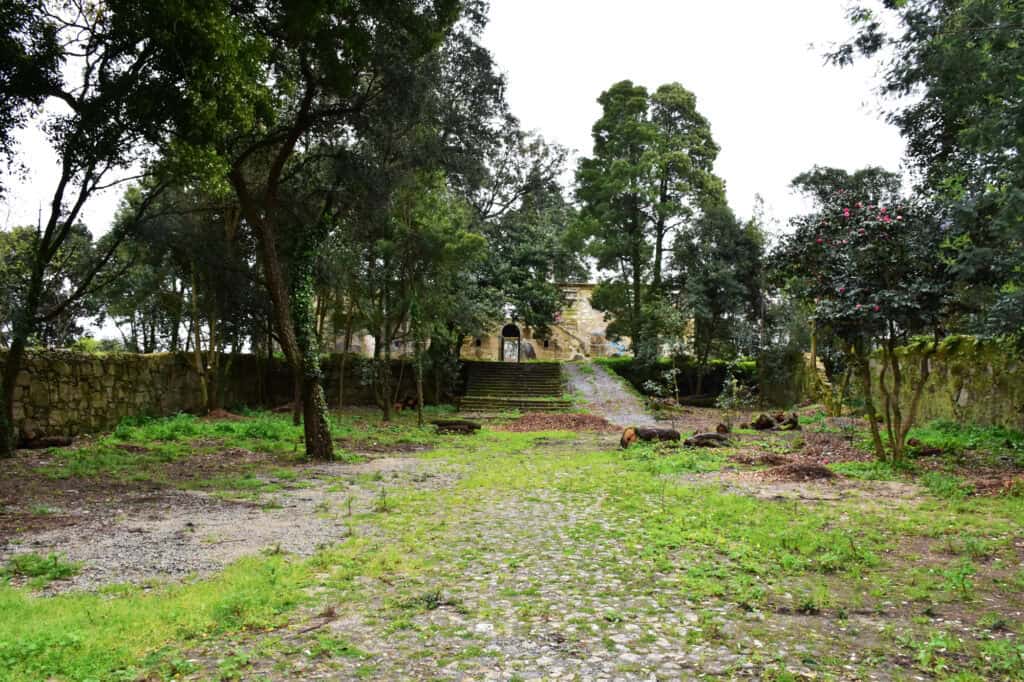
The 6-hectare Quinta de Salgueiros is being rehabilitated with nature-based solutions to improve quality of life, ecosystem services and increase the area’s climate resilience. It will function as a living laboratory to study and replicate urban ecology and climate change adaptation practices.
Rio Tinto Interceptor
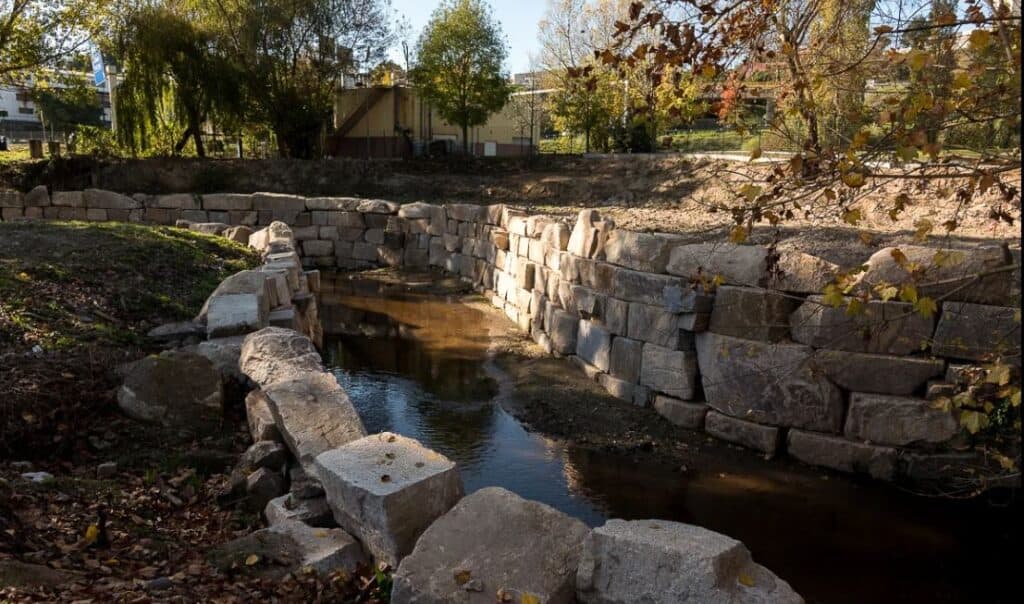
The Rio Tinto Interceptor aims to improve the river’s water quality by sending treated effluent from the wastewater treatment plants directly to the River Douro, since the Rio Tinto does not have sufficient self-depuration and regeneration capacity. The rehabilitation of the riverbed and banks and the creation of an urban park have also been promoted.
Parque da Alameda de Cartes
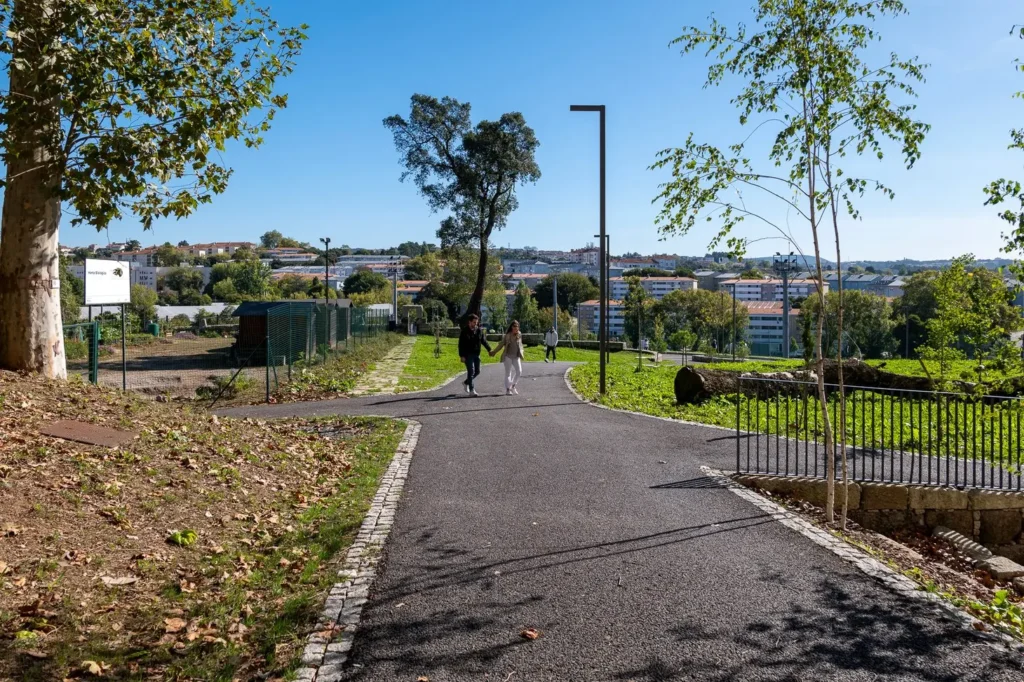
The Alameda de Cartes Park uses nature-based solutions to retain rainwater, prevent flooding and sustain vegetation. With many native trees, it improves air quality and the local microclimate. It offers paths for sustainable mobility and connects to other green areas and a diversity of services, promoting urban sustainability.
Nature based solutions at Falcão Elementary School
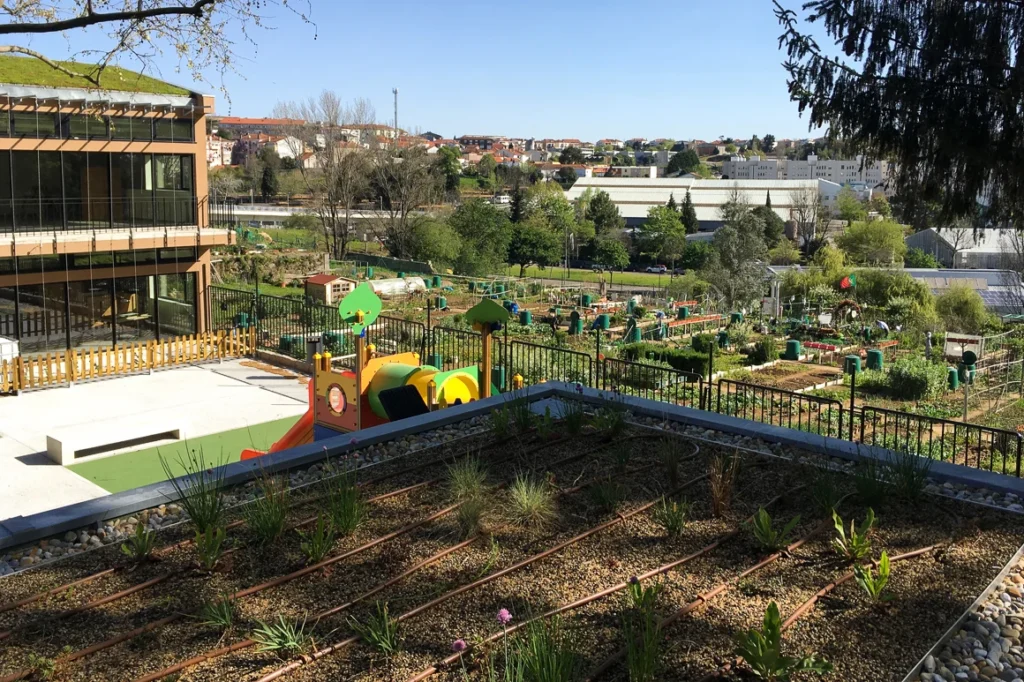
The Falcão Primary School is now a model building, demonstrating natural-based solutions to improve bioclimatic comfort and increase resilience to climate change. It has three green roofs, a green wall, a pond and photovoltaic panels to produce electricity.
Terminal Intermodal de Campanhã (TIC)
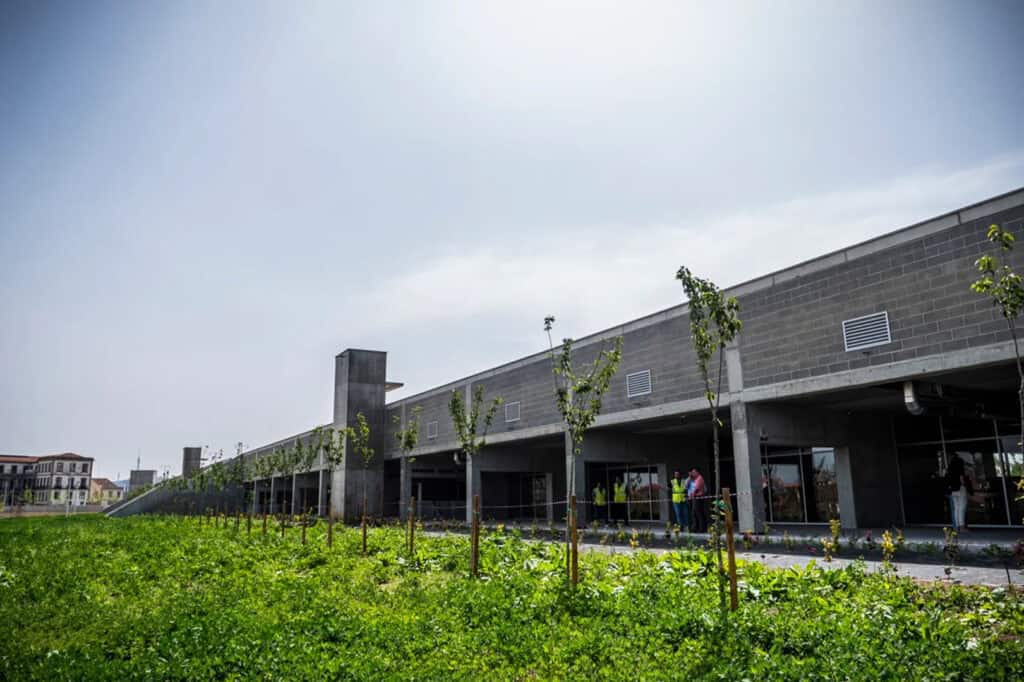
The Campanhã Intermodal Terminal (TIC) has the largest green roof in the city, which helps to absorb all the air and visual pollution from the terminal. It was the first public building in the country to achieve the LEED (Leadership in Energy and Environmental Design) level of environmental certification in 2025.