Águas e Energia do Porto photovoltaic park

Tipology

Photovoltaic panels
UPAC

Address

Rua do Barão de Nova Sintra

Location

Bonfim

Promoter

Águas e Energia do Porto (Water and Energy of Porto)

Manager

Águas e Energia do Porto (Water and Energy of Porto)

Area

3577 m2

Cost

460.000 €

Investment

Águas e Energia do Porto

Presentation

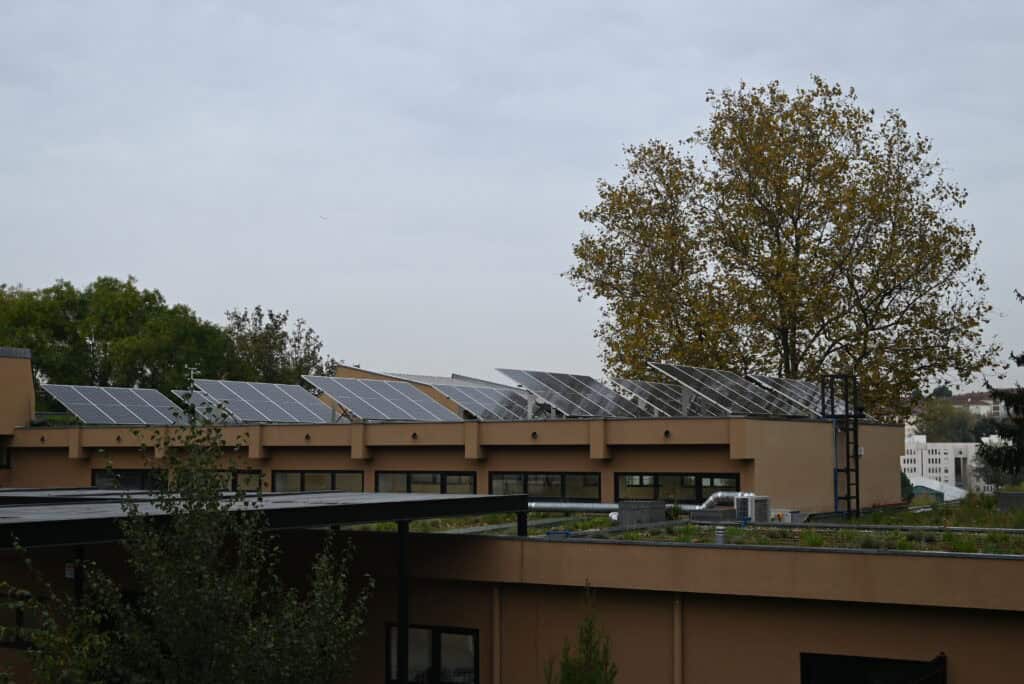
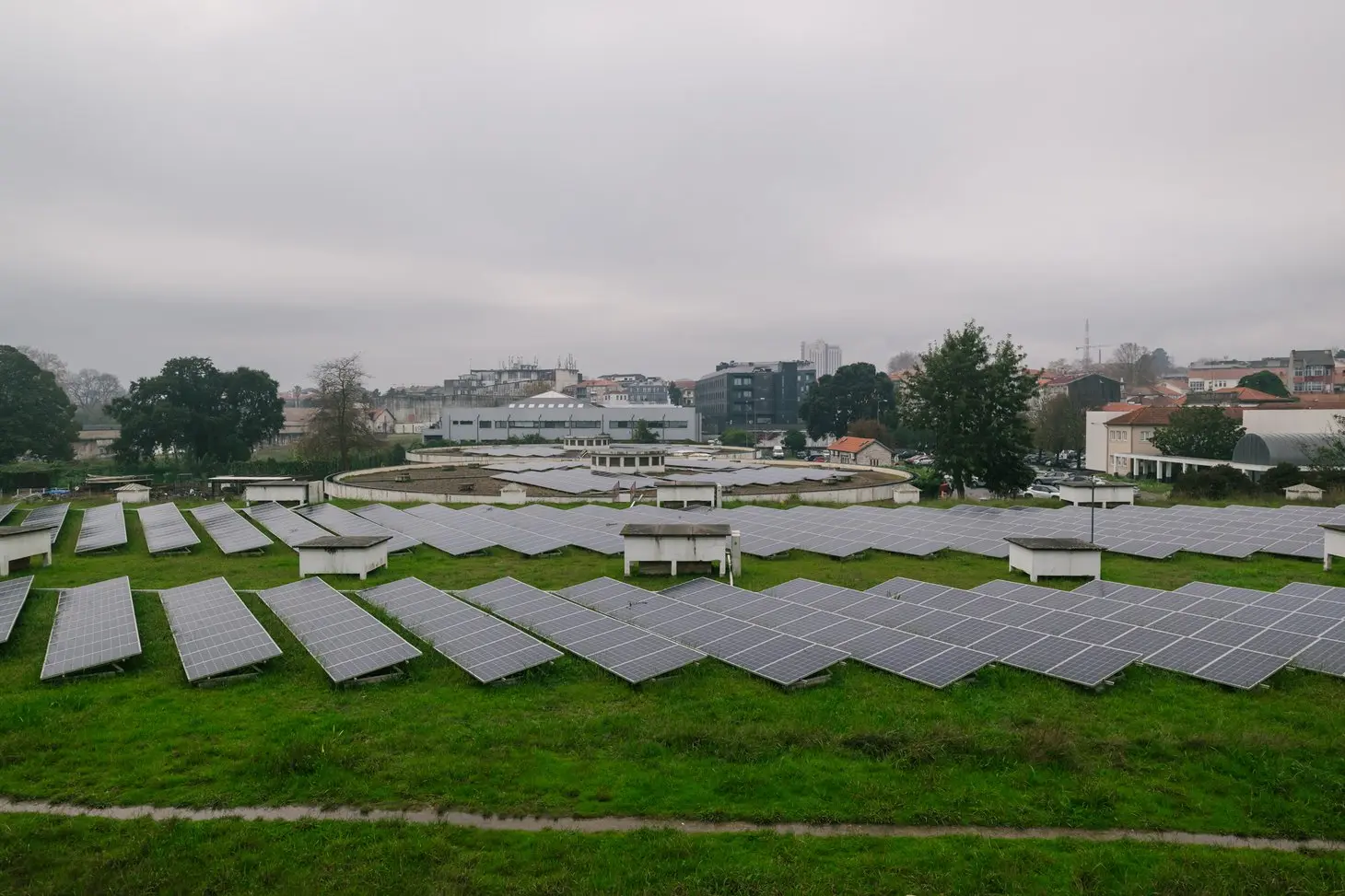
The park was implemented in 2018 with an installed capacity of 454kWp, which allows it to be self-sufficient on sunny days. As well as powering all the campus buildings and the electric vehicle park, it is also able to trade energy resulting from surplus production.

Consisting of 1228 solar panels, they were installed on the roof of the three existing water reservoirs and represent a huge step forward in the economic sustainability of the company and the environmental sustainability of the city of Porto.
Ecological functions

Renewable energy

Sustainable Development Goals

4. Quality education; 7. Affordable and clean energy; 10. Reducing inequalities; 11. Sustainable cities and communities; 13. Climate action;

Results

Energy produced since 2018: 2901 MWh

Emissions reduction

1276 tonnes CO2 (since 2018)

OTHER SUGGESTIONS

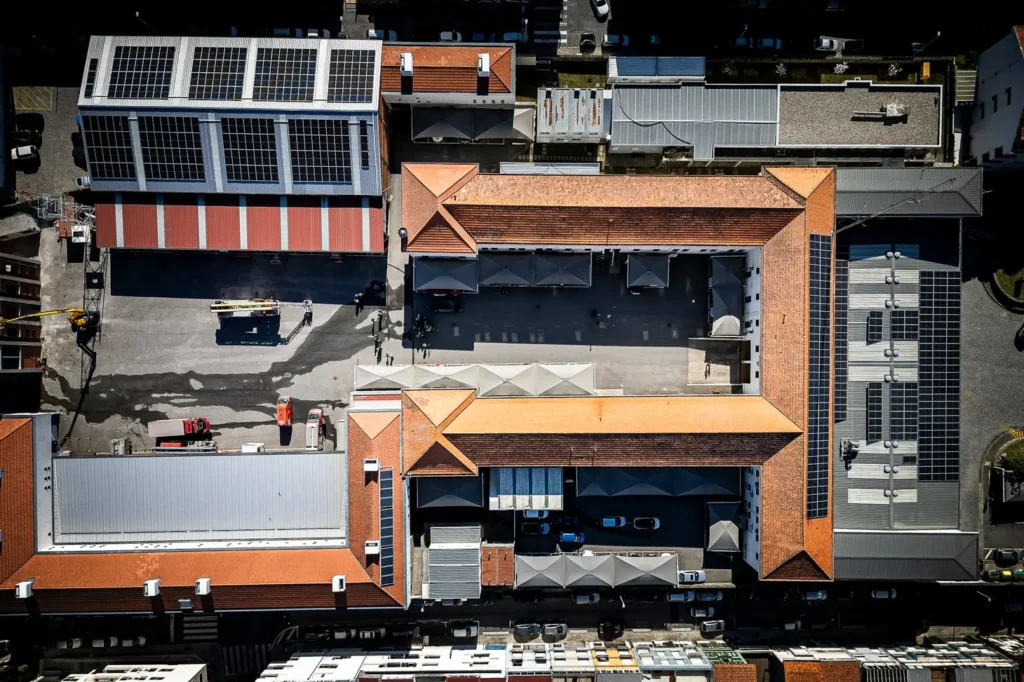
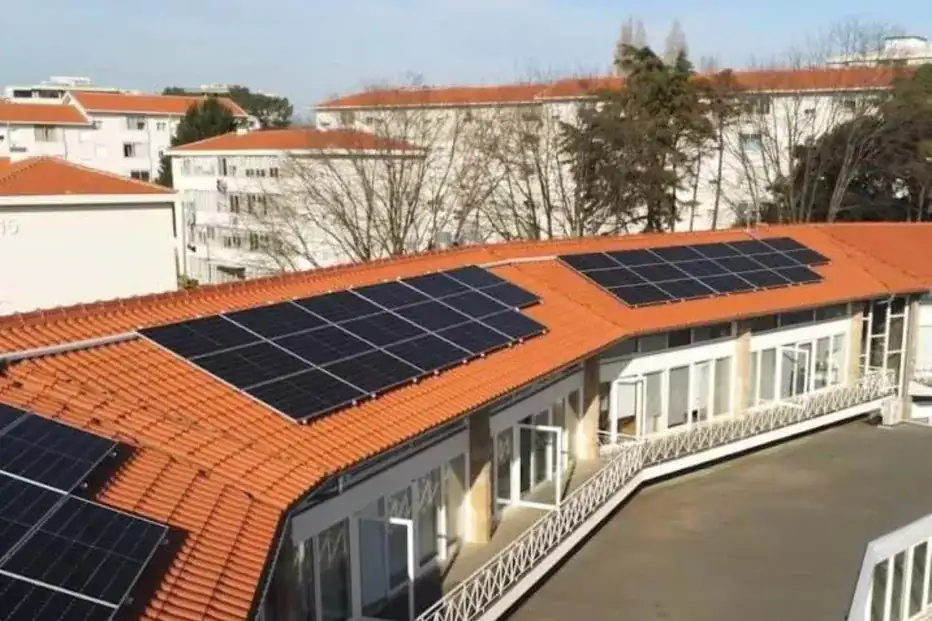
52 photovoltaic panels were installed with a total power of 23.66 kWp, reducing greenhouse gas emissions. This action is part of the Porto Solar project, which aims to promote energy efficiency and independence by installing panels on 29 municipal buildings to generate and use renewable energy.
458 photovoltaic panels were installed with a total power of 208.39 kWp, helping to reduce greenhouse gas emissions. This installation is part of the Porto Solar project, which aims to promote energy efficiency and independence in 29 municipal buildings, guaranteeing the use of renewable energy.
Through the Nature Based Solutions at Falcão Elementary School project, 40 photovoltaic panels were installed on one of the school’s green roofs. This Self-Consumption Production Unit (UPAC) has an annual production of 28.625 kW/h of electricity, which corresponds to 60% of the energy consumed by the school and is equivalent to a reduction in CO2 […]