Parque do Covelo

Tipology

Trees

Address

Rua do Bolam/Rua Faria de Guimarães

Location

Promoter

Porto Municipality

Area

7 ha

Cost

362.212 € - rehabilitation of 3,6 ha in 2017

Investment

GO Porto

Date of intervention

Rehabilitation in 2017

Presentation

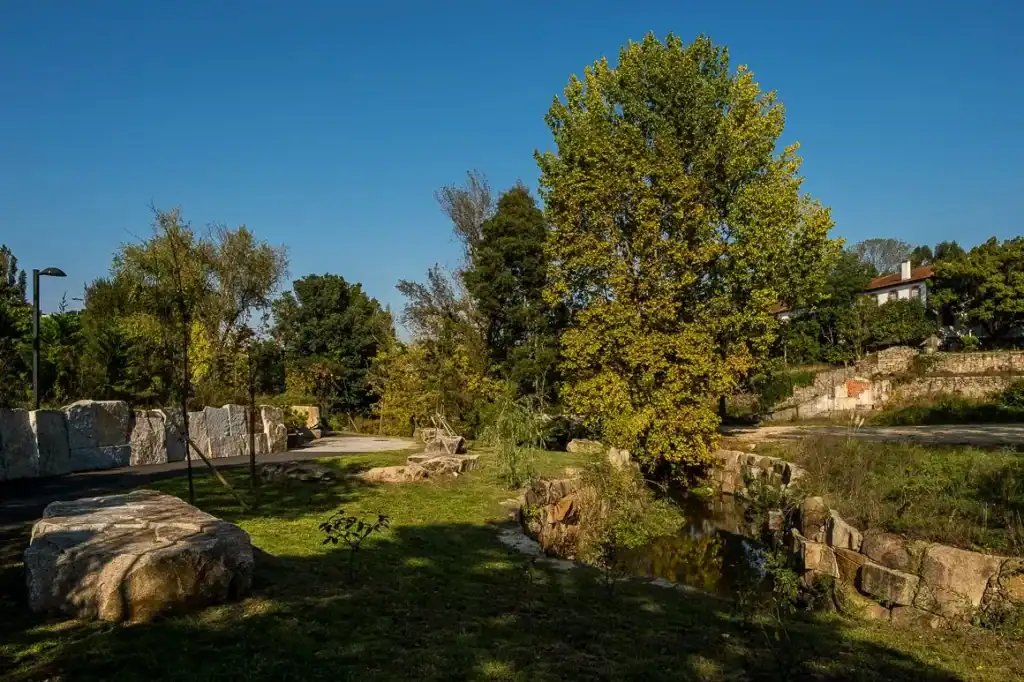
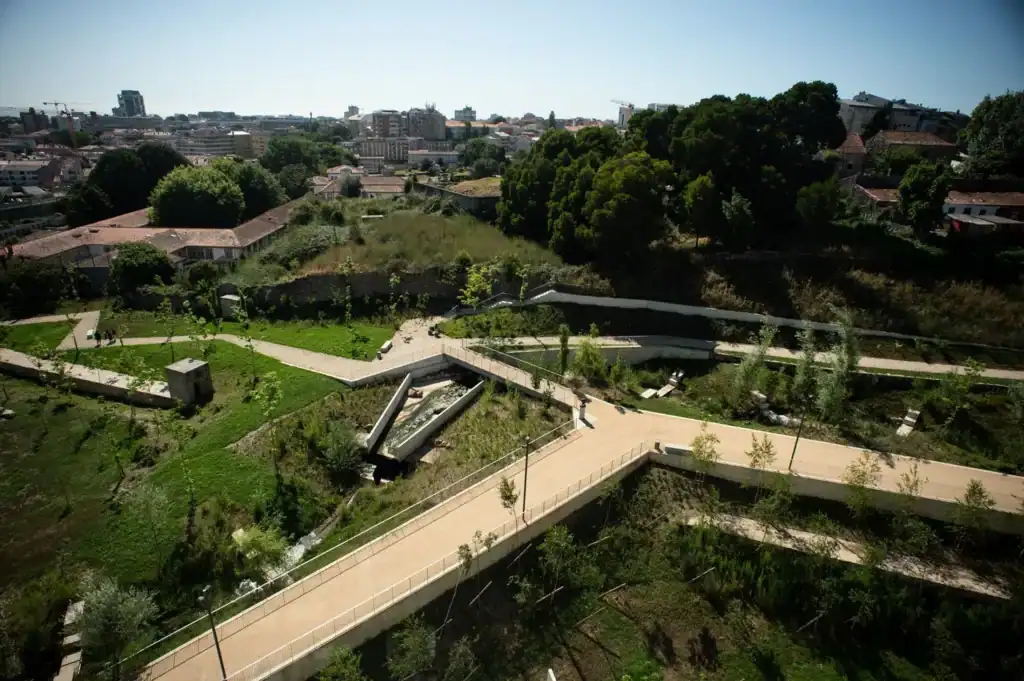
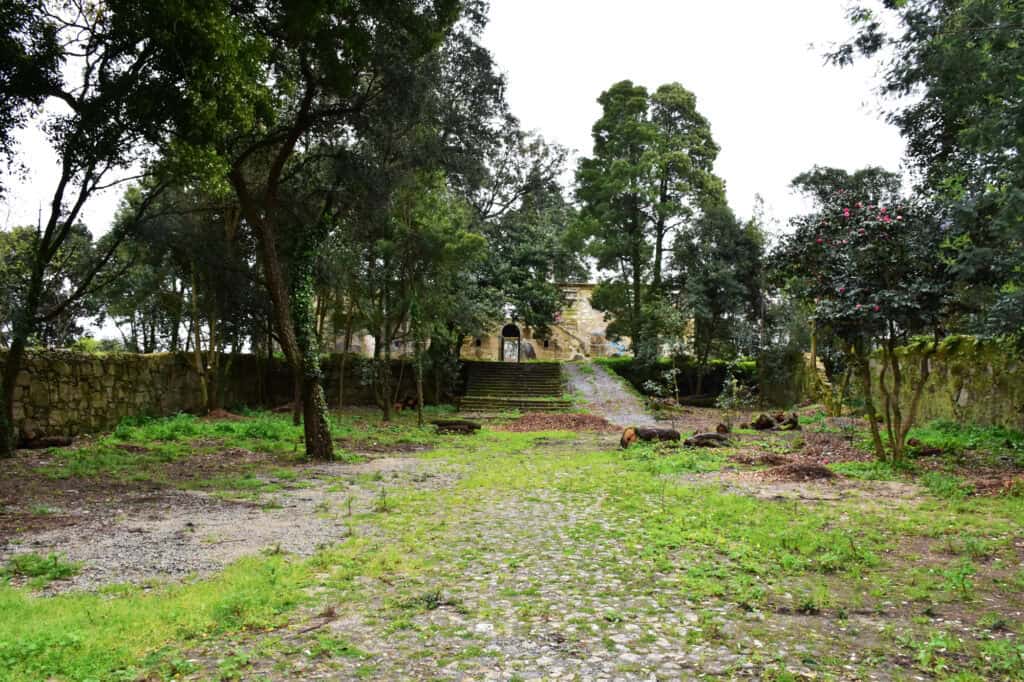
Parque do Covelo, also known as Quinta do Covelo, has existed since the 18th century and was donated to Porto Municipality in the 20th century.

The park covers an area of 7 ha of green space, which performs various environmental functions such as CO₂ sequestration; flood control, whilst contributing to the recharge of aquifers; temperature regulation, mitigating the ‘heat island’ effect common in urban centres; and the promotion of biodiversity.

This park serves as a habitat and refuge for many species of wildlife, and is therefore home to various projects such as “Anilhagem Científica de Aves”, “Roteiro dos Anfíbios” and “Noites de Morcegos”.

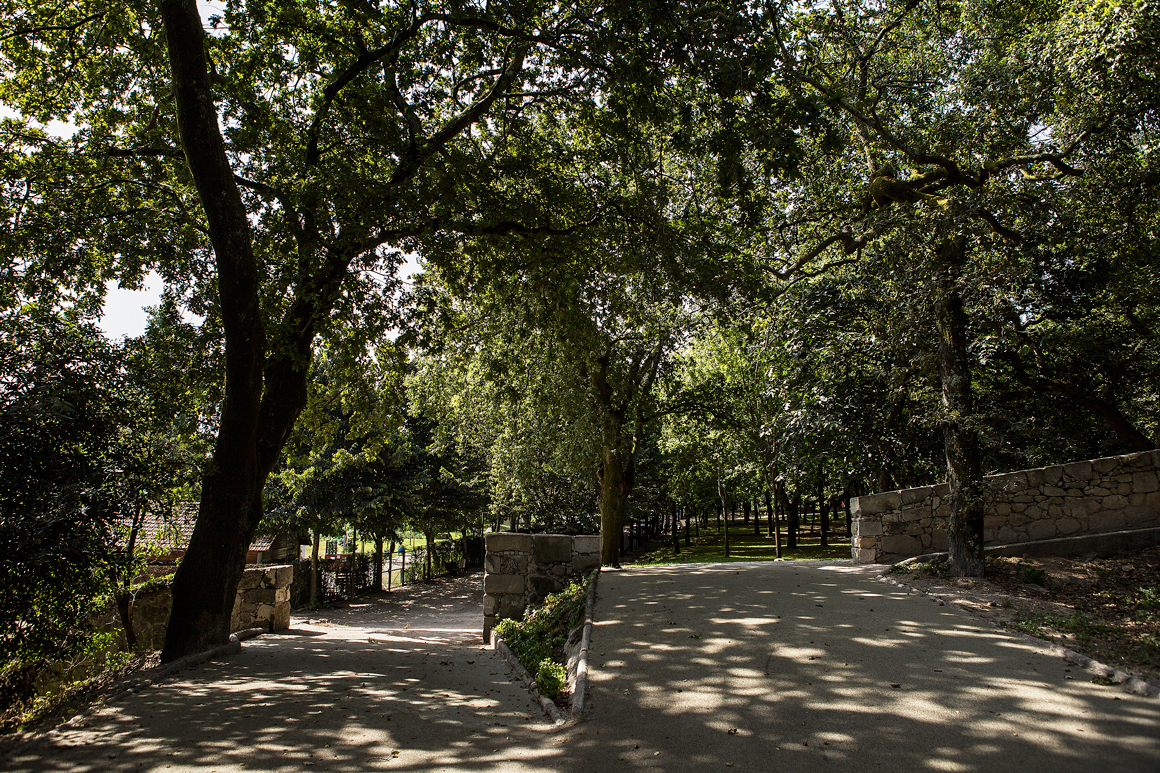
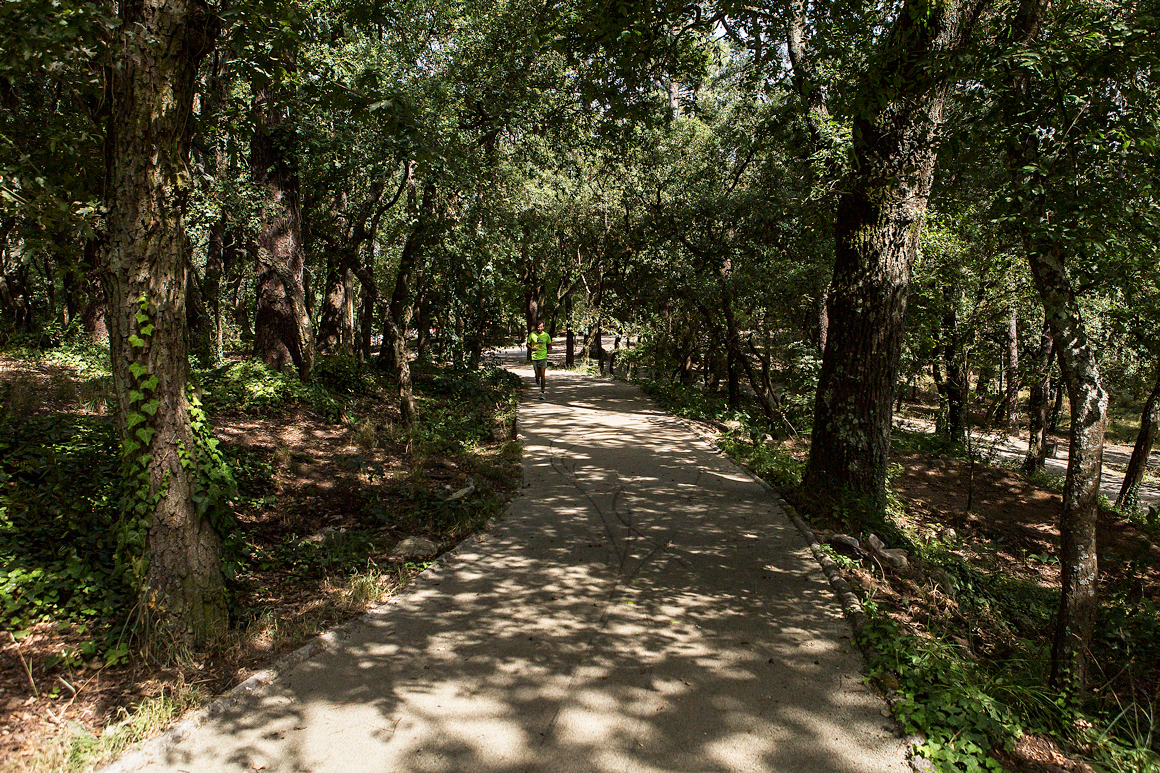
In terms of flora, Quinta do Covelo comprises around 2.255 trees, including important native species such as stone pine (Pinus pinea), cork oak (Quercus suber), oak tree (Quercur robur, Quercus faginea, Quercus palustris), birch (Betula nigra, Betula pendula) and Chestnut (Castanea sativa). As such, this green space is also part of the project Rota das Árvores.

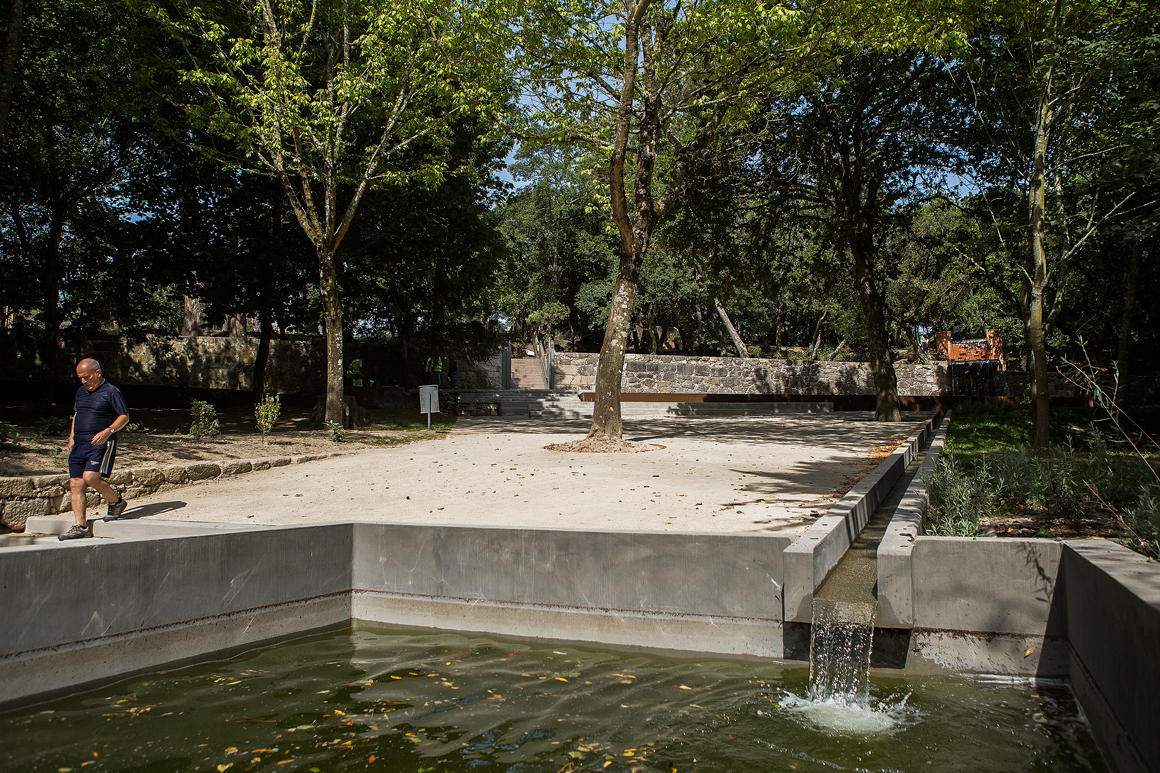
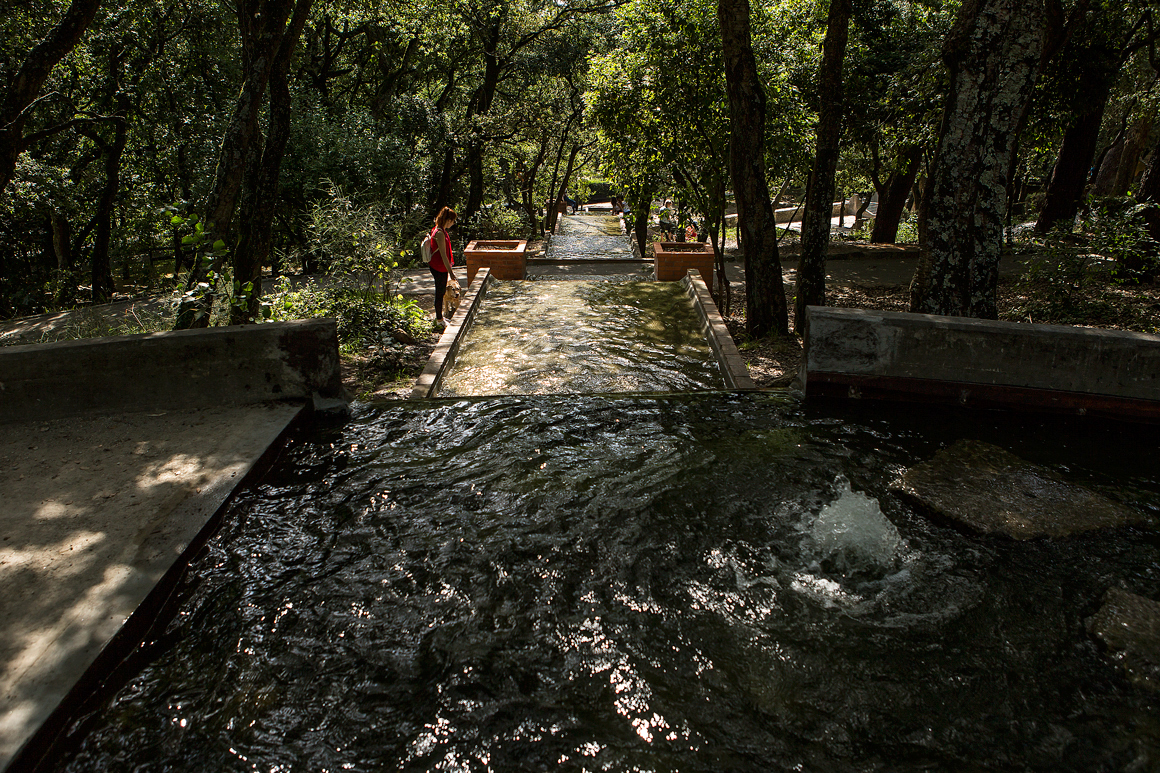
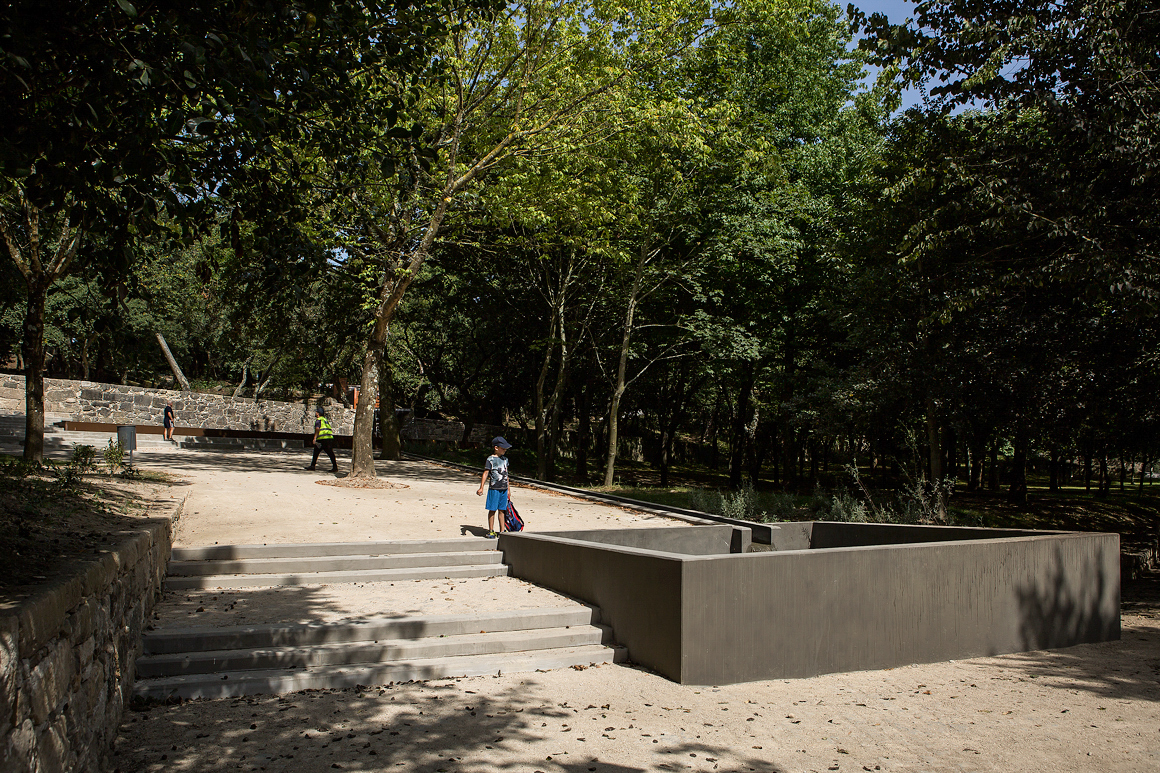
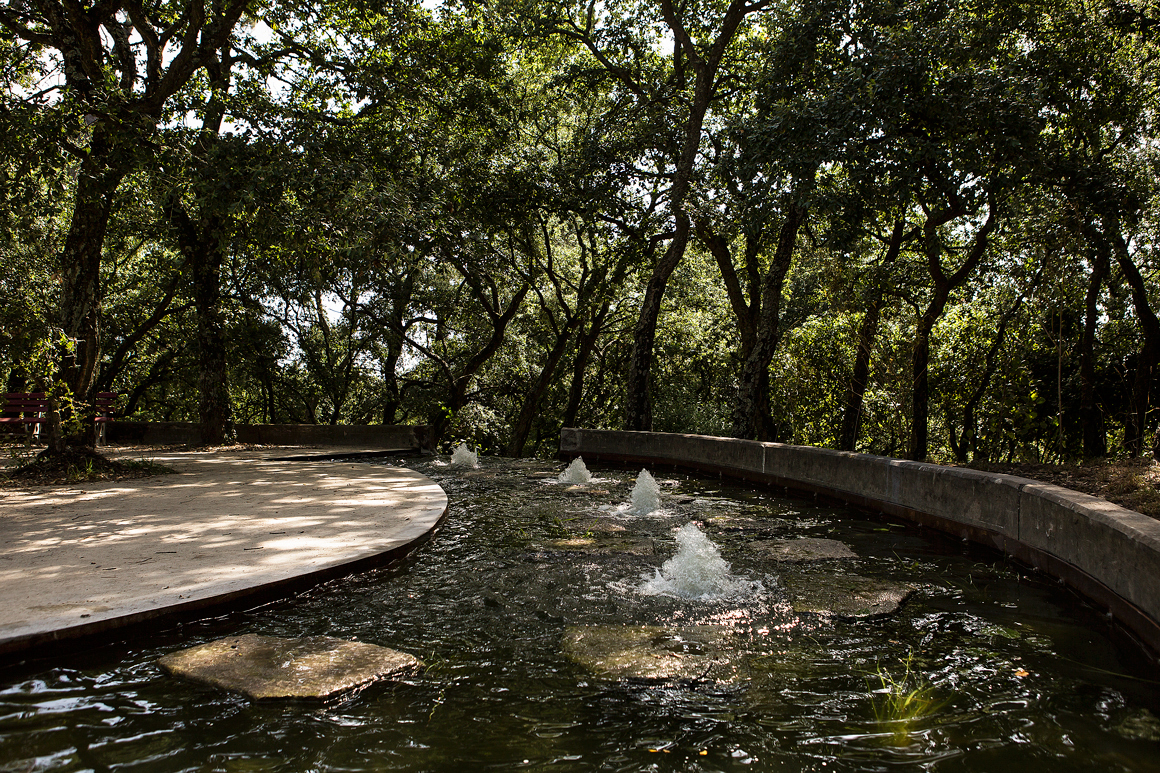
In 2017, Parque do Covelo underwent a 3,6 ha rehabilitation, which involved the refurbishment of pavements, footpaths and rest areas; repairs to the existing waterfall; clearing vegetation and planting tree species, as well as upgrading the electrical, water supply and rainwater drainage infrastructure.
Ecological functions

Improving water quality; Improving quality of life; Promoting biodiversity; Recharging aquifers; Reducing extreme weather events; Reducing noise; Regulating temperature; Regulating floods; Carbon sequestration

Sustainable Development Goals

3. Good Health and Well-being; 11. Sustainable cities and communities; 13. Climate action; 15. Life on Land

OTHER SUGGESTIONS

The 6-hectare Asprela Park includes a number of nature-based solutions, including tree planting, water mirrors, 2 km of accessible paths and a 10,000 m³ retention basin for flood control. It promotes biodiversity and offers a space for leisure and well-being for the academic community and the general population.
Porto City Park integrates natural solutions for sustainability and climate adaptation. With green areas, lakes and permeable soils, it regulates temperature, improves the air, retains water and supports ecosystems. It also serves as a social and educational space, uniting nature, leisure and urban well-being.
Located west of Morro da Lapa and Rua de Cervantes, this new 17,000 m² green space seeks to enhance urban quality of life, with a special focus on both the enhancement of public space and the city’s renaturalisation strategy. Opened at the end of 2024 and based on the concept ‘Porto: a city designed by […]