Passeio Alegre Garden

Tipology

Ponds
Trees

Address

Rua do Passeio Alegre

Promoter

Municipality of Porto

Area

4,1 ha

Investment

Municipality of Porto

Presentation

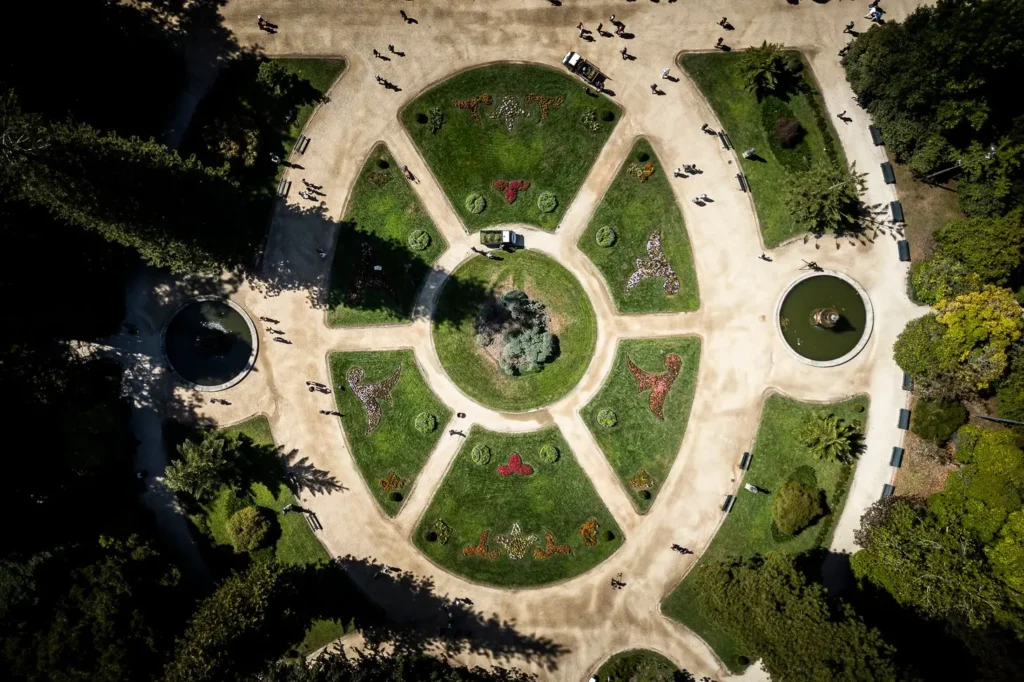
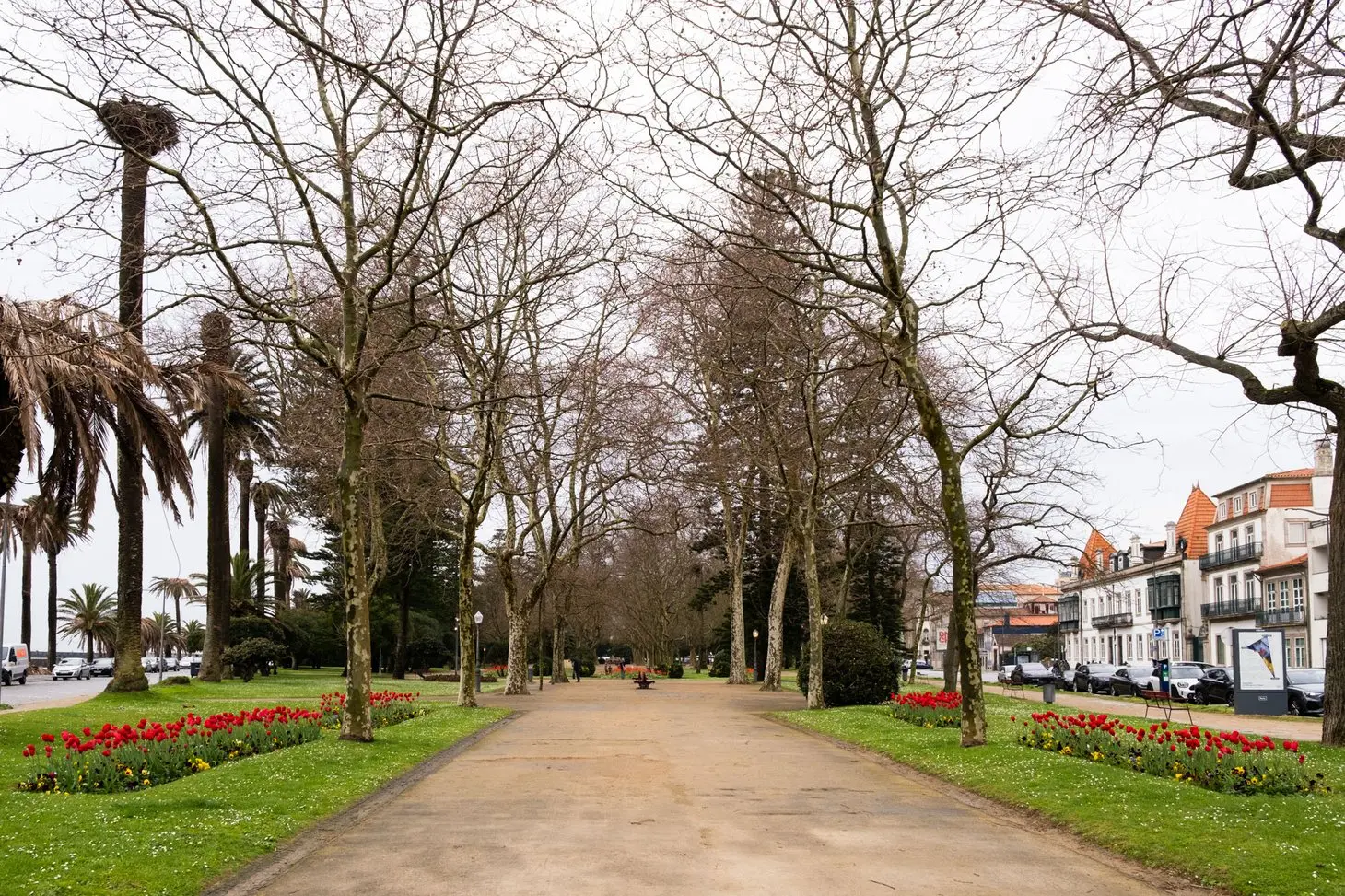
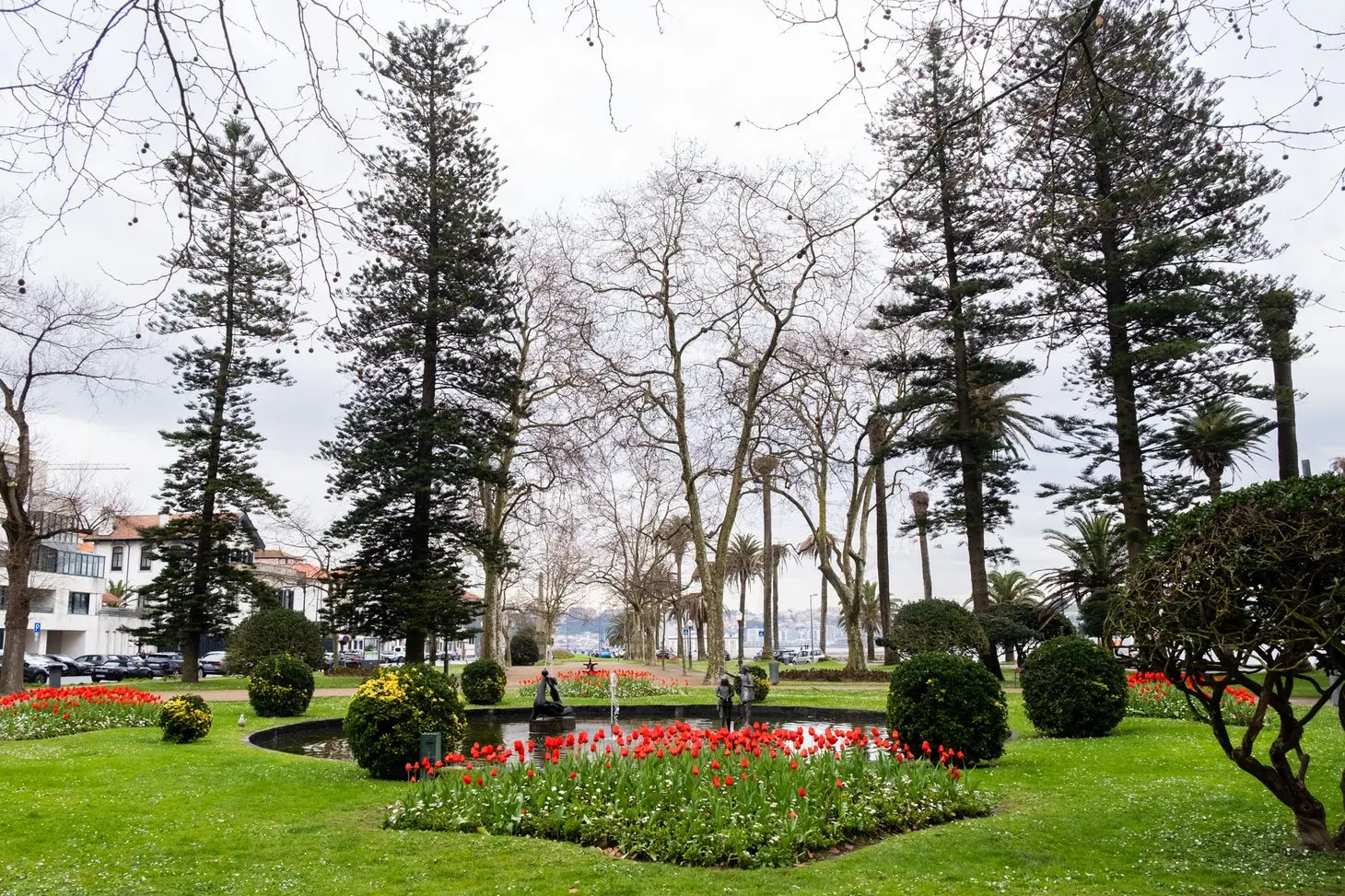
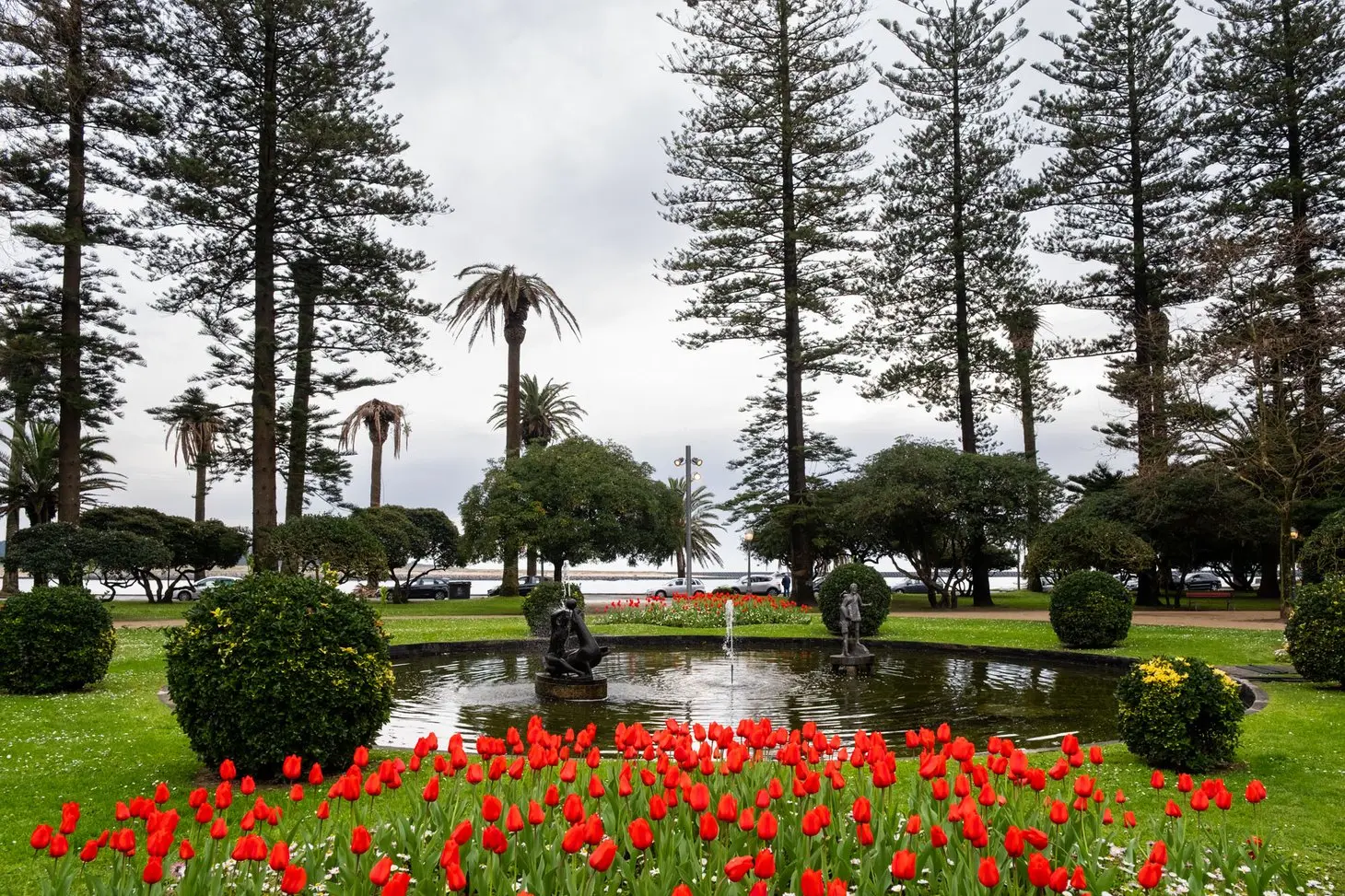
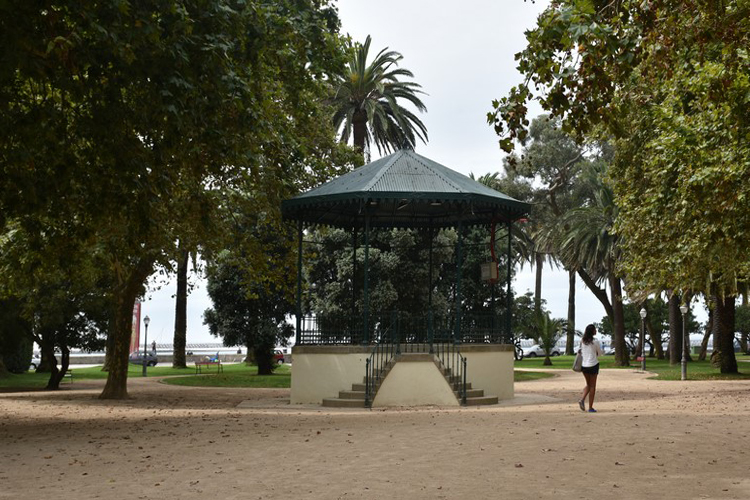
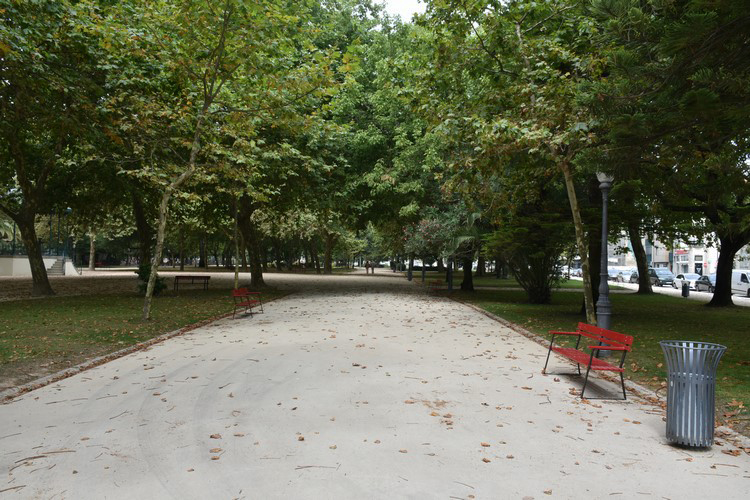
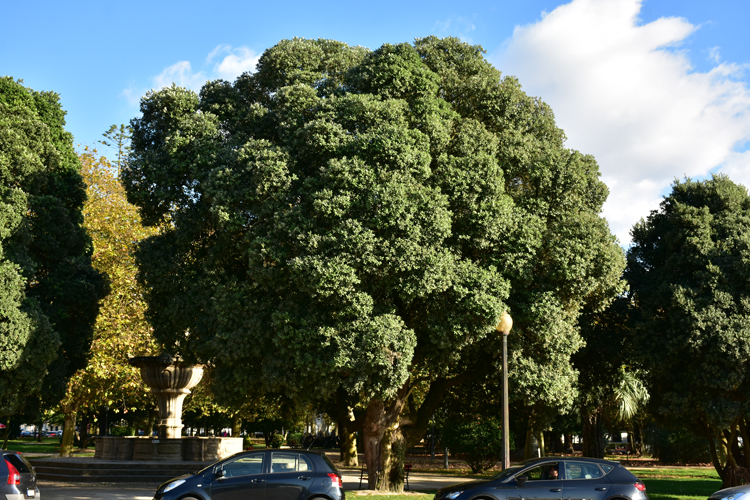
This garden, with its essentially romantic character, is one of the most unique green spaces in the city of Porto. It is located by the river and features a series of architectural elements of great value that coexist with around 300 trees, some of which are classified as being of public interest, such as the Norfolk Pine (Araucaria heterophylla) and the Metrosideros.

It is also an interesting birdwatching spot, with 91 species of birds seen every year, including several species of Titmouse, Gulls and other aquatic species. It is also home to the largest population of Caturrita (Myiopsitta monachus), a bird that doesn’t go unnoticed by anyone walking through the gardens due to its bright colours and the intense noise it emits.

The benefits of the Passeio Alegre garden extend from the environmental to the social. The dense vegetation and biological diversity make it possible to regulate the microclimate, manage rainwater and preserve biodiversity, while at the same time providing a space for recreation and well-being for the population in an urbanised area. Its maintenance, together with other green areas in the city, allows the city to better adapt to climate change.
Ecological functions

Improving quality of life; Promoting biodiversity; Reducing extreme weather events; Reducing noise; Regulating air quality; Regulating temperature; Regulating flooding; Carbon sequestration;

Sustainable Development Goals

3. Good Health and Well-being; 11. Sustainable cities and communities; 13. Climate action; 15. Life on Land;

OTHER SUGGESTIONS

The Arca D’Água Garden, in Praça 9 de Abril, was inaugurated in 1928. Its underground structure dates back to the early 17th century, when the reservoirs served as a central point for supplying water to the city. The redevelopment of the square in 2023 included the renovation of the pedestrian network, replacing the existing pavement […]
An emblematic garden in the city, it brings together several small gardens that provoke different feelings of well-being for those who pass through them and promotes different types of habitat to support urban biodiversity. It also serves as an important buffer zone for air quality and reducing urban noise.
Paulo Vallada Garden has recently been converted into a water retention area for the city. This garden, which links Avenida de Fernão de Magalhães to Rua Santos Pousada, conceals beneath its surface a stretch of water—the Ribeira do Poço das Patas—which has a basin of approximately 1,6 km² and runs through several major streets in […]