Rua do Marechal Saldanha

Tipology

Caldeiras vivas
Trees

Address

Rua do Marechal Saldanha

Promoter

Municipality of Porto

Length

1.3km

Presentation

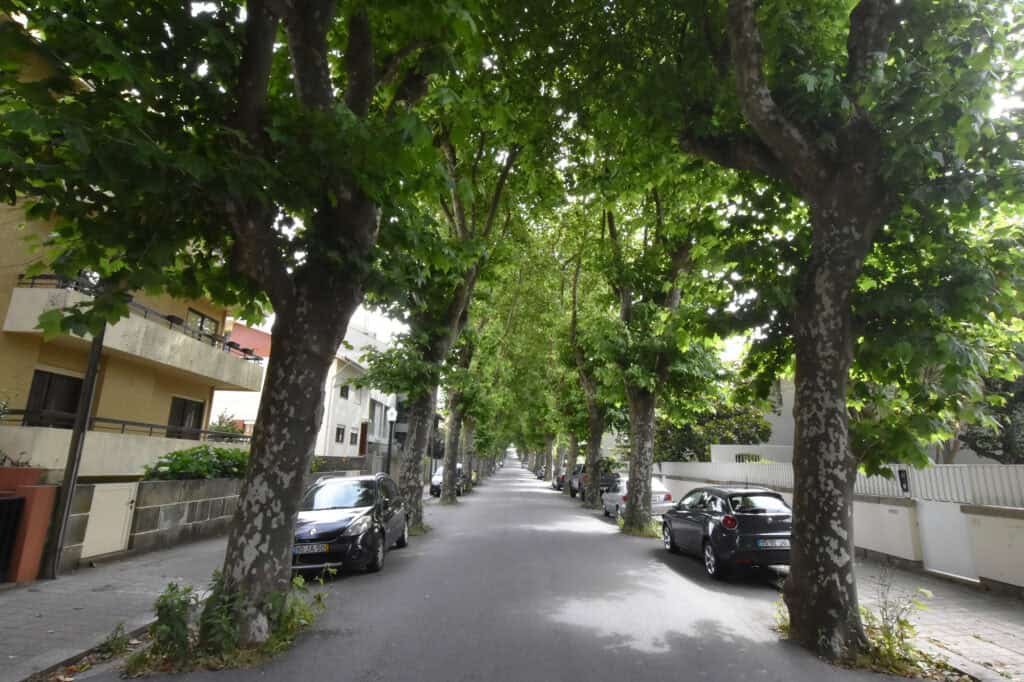
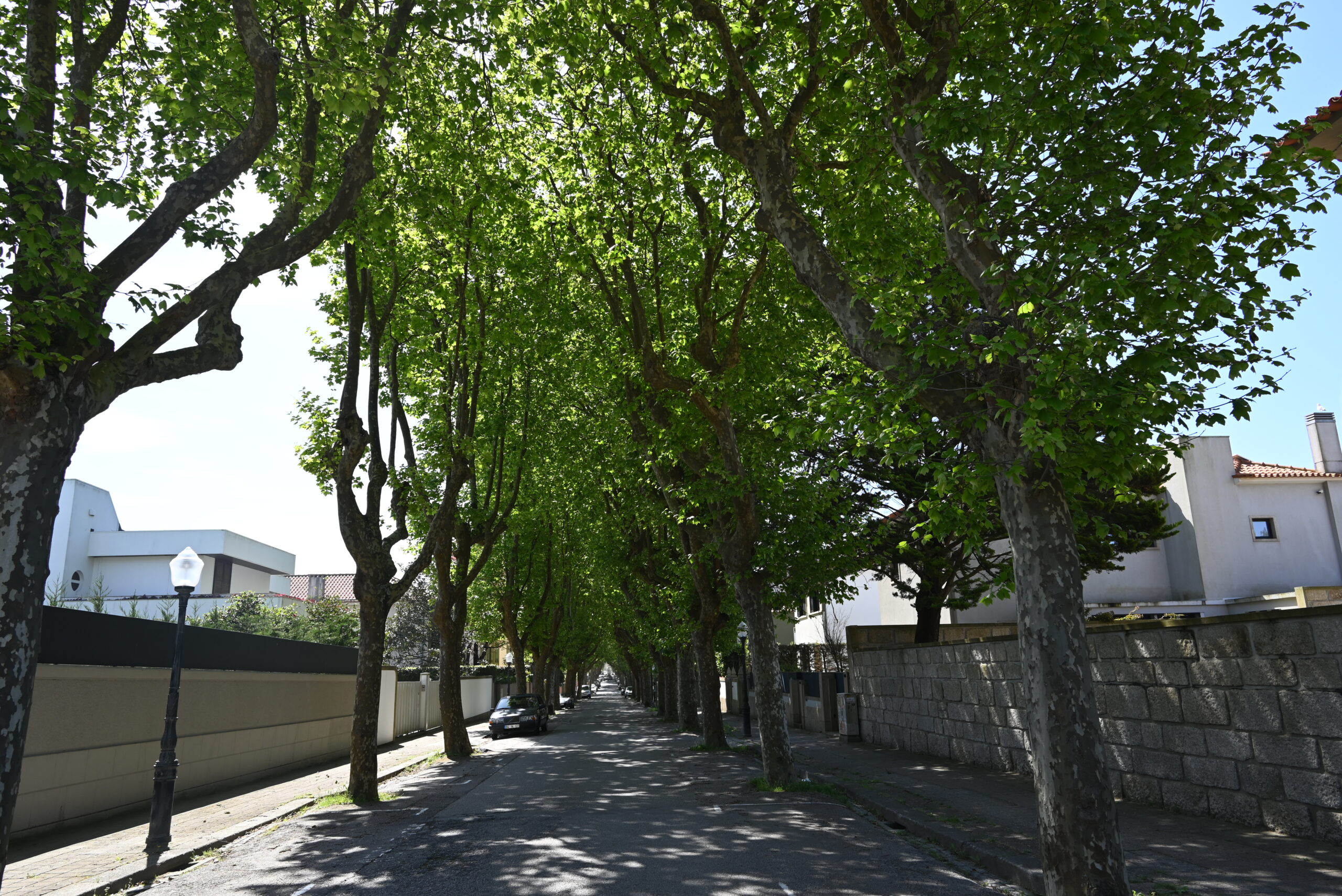
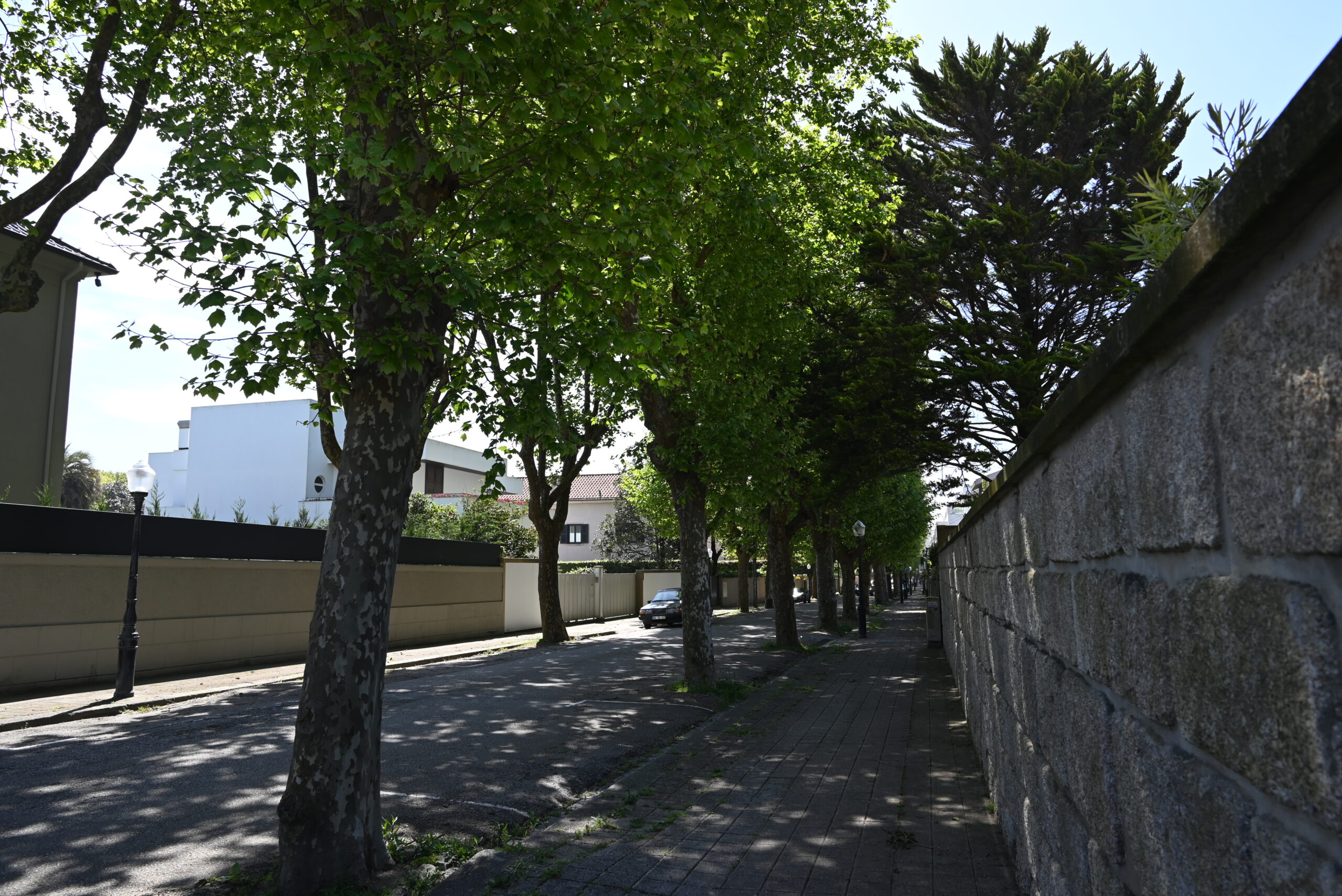
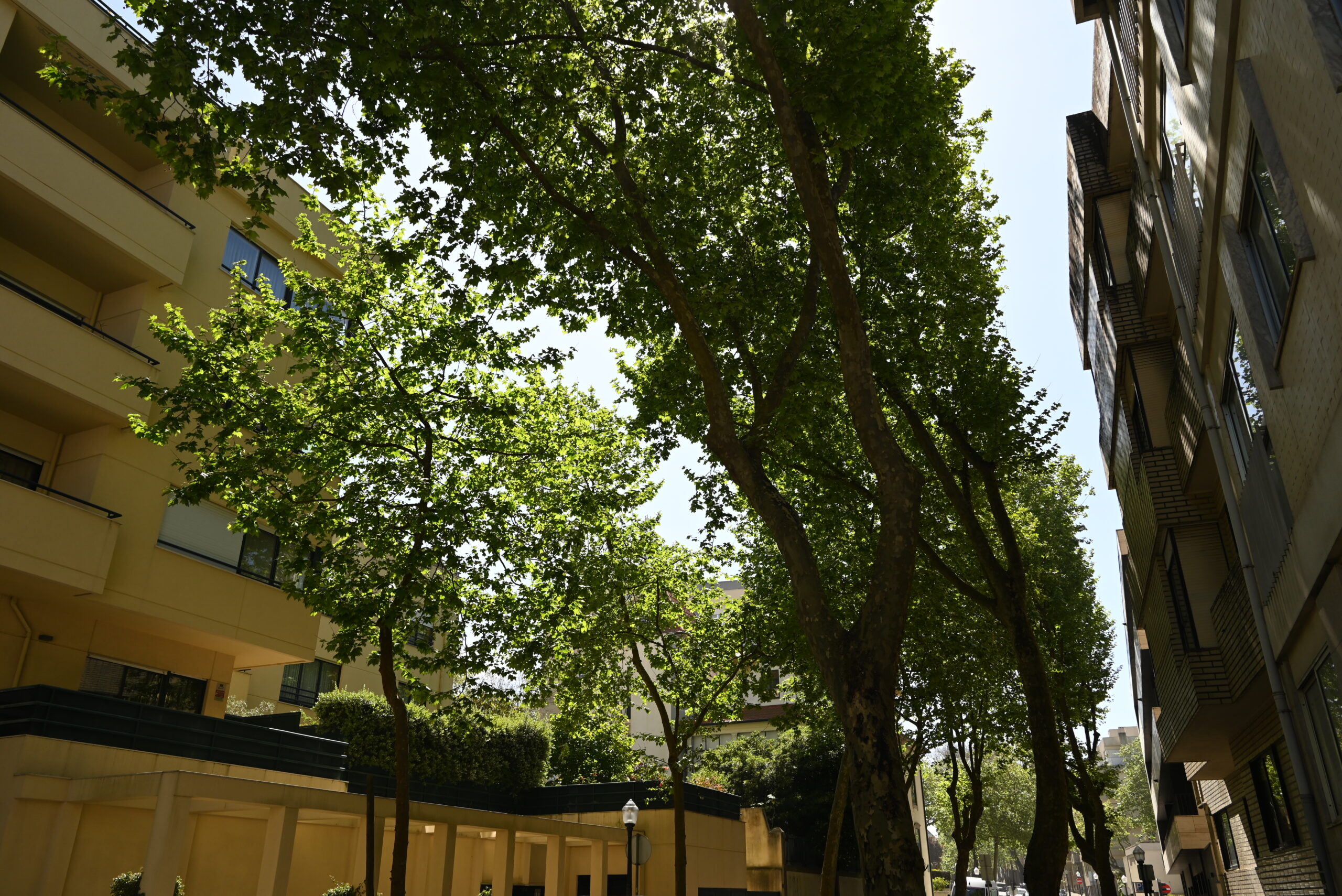
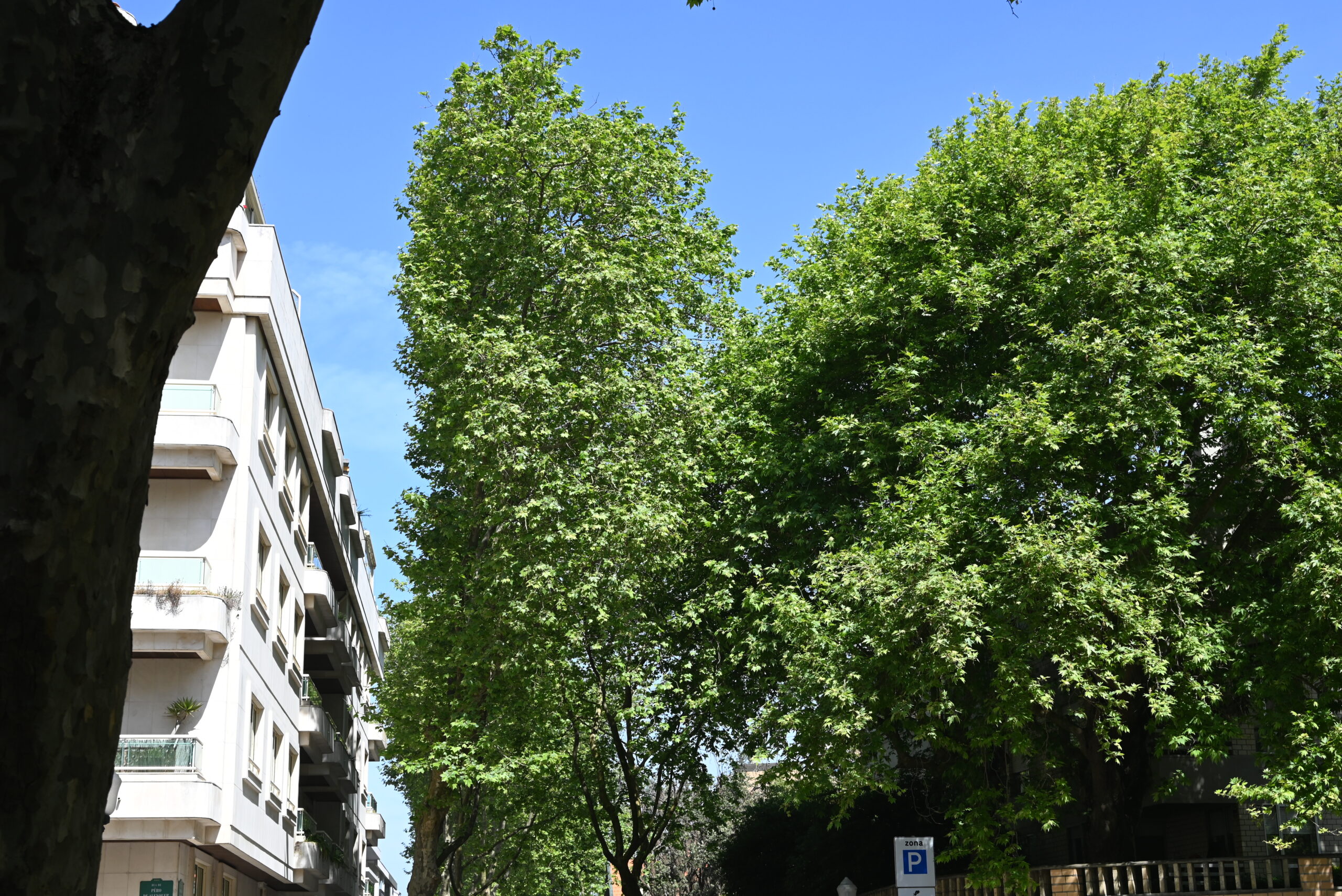
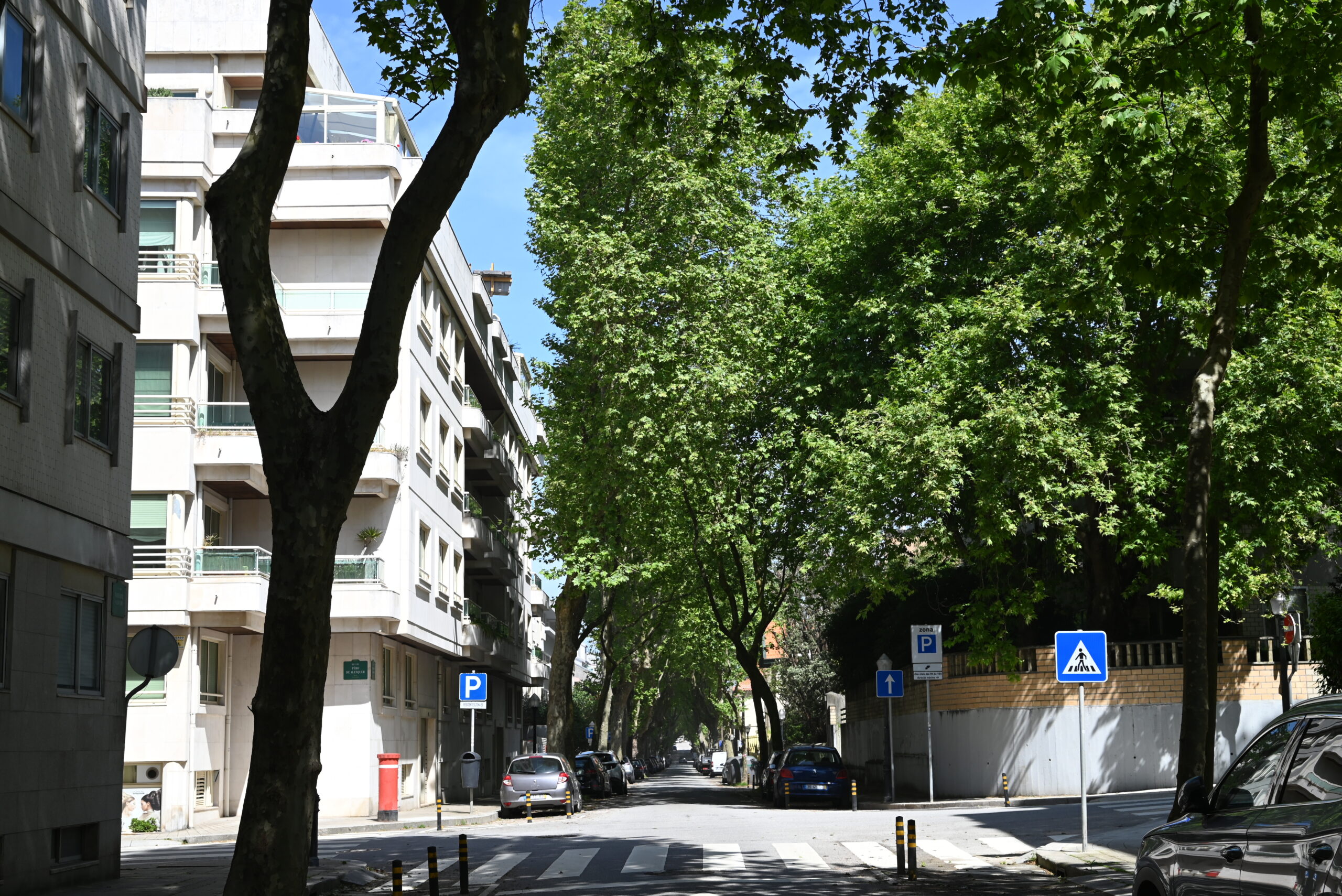
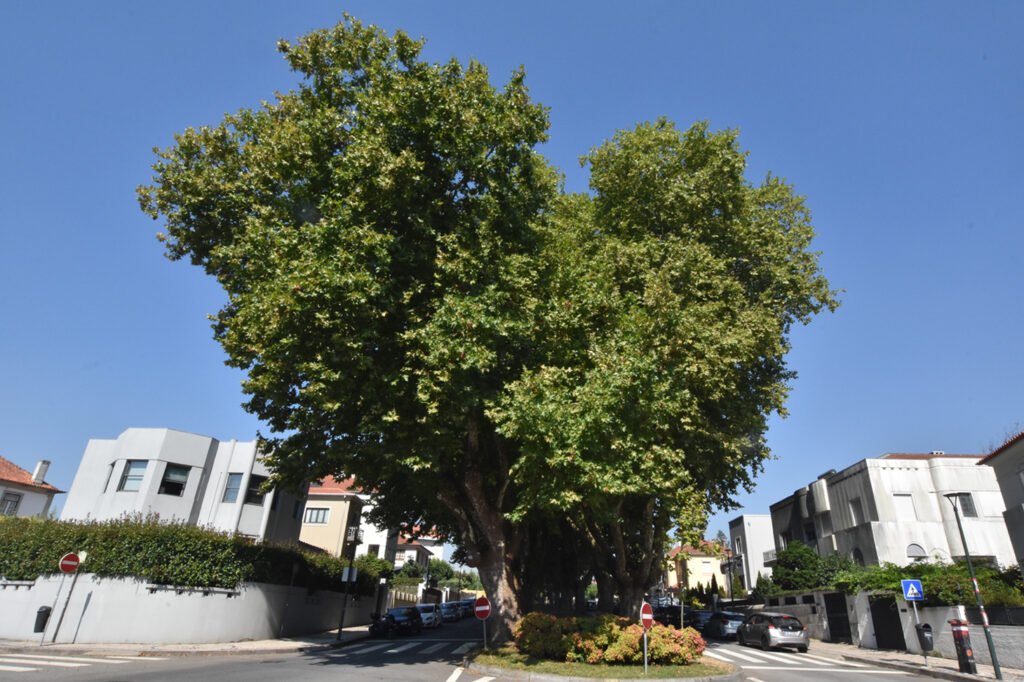
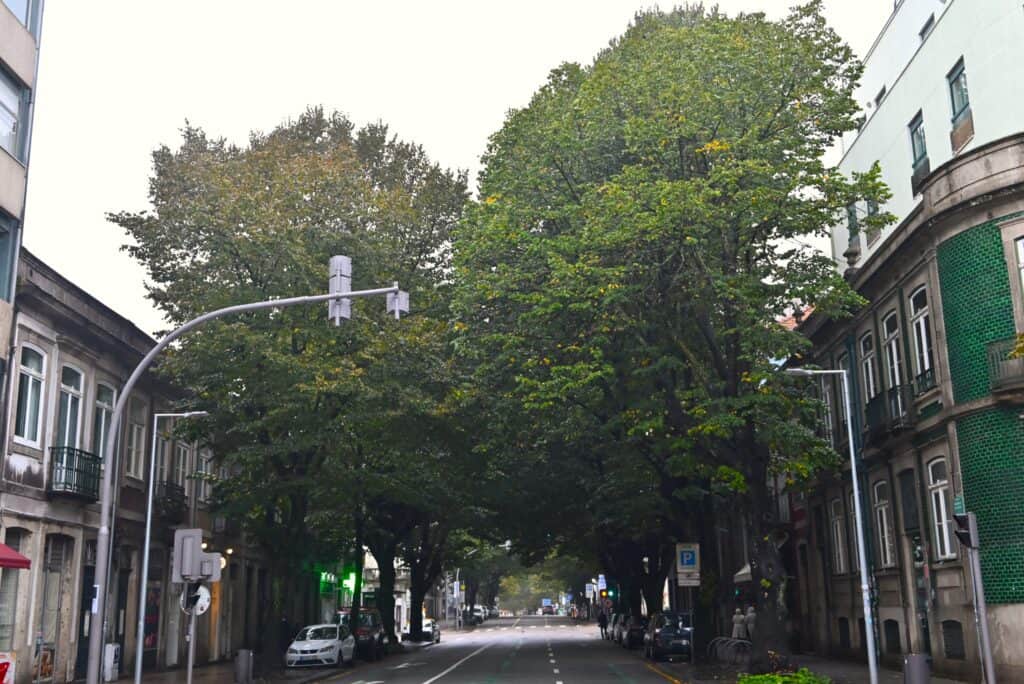
Rua do Marechal Saldanha features a tree-lined avenue stretching over 1 km in length. This double-sided urban forest comprises 184 trees: 142 platanus (Platanus orientalis, Platanus sp. and Platanus x acerifolia), 38 poplars (Populus nigra, Populus sp. and Populus x canadensis) and 4 elms (Ulmus glabra and Ulmus procera).

The implantation of trees along the street contributes to the thermal regulation of the area and provides shade within the urban fabric, offering a more pleasant space for leisure and walking. Furthermore, the trees help filter air pollutants, contributing to the improvement of air quality and the urban environment, and support local biodiversity.

This alignment is part of the Plano de Arborização do Município do Porto, which aims to implement and enforce a more detailed and strategic vision for the Municipal Ecological Framework. This is set within a context of promoting trees and the many benefits they provide to citizens, the environment and public spaces, whilst also enhancing the city’s resilience and climate adaptation.

Tree pits have also been addressed through the ‘Caldeiras Vivas’ project, which aims to fill tree pits with predominantly native species to combat pests and promote biodiversity.
Ecological functions

Improving quality of life; Promoting biodiversity; Reducing noise; Regulating air quality; Regulating temperature; Carbon sequestration

Sustainable Development Goals

3. Good Health and Well-being; 11. Sustainable cities and communities; 13. Climate action; 15. Life on Land

Results

More than 180 specimen

OTHER SUGGESTIONS

The Francos junction, one of the busiest on the VCI, has a vital forest to mitigate climate impacts and capture carbon. 1,079 native trees and shrubs of 20 species were planted, such as hawthorn, hazel and strawberry trees, produced with the support of volunteers from the Municipal Nursery.
The Regado junction, one of the busiest on the VCI, has a forest that is essential for mitigating climate impacts and capturing carbon. 1,318 native trees and shrubs of 17 species were planted, such as hawthorns and strawberry trees, adapted to the location and produced with the support of volunteers from the Municipal Nursery.
The tree line on Avenida de Montevideu, in Foz do Porto, is made up of 82 Metrosideros excelsa, salinity- and wind-resistant trees typical of New Zealand. This green corridor protects against salt spray, regulates the temperature, offers shade and attracts pollinators with its red flower.