Tanque do Outeiro
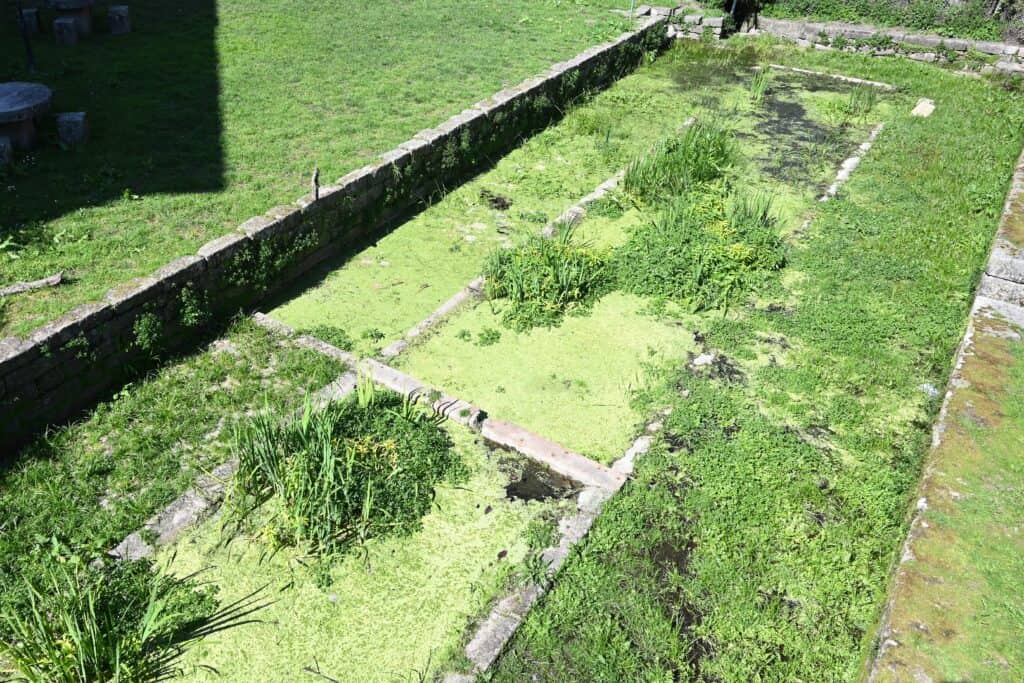
The Tanque do Outeiro, located in the parish of Paranhos, is a body of water divided into two sections that is very important for dragonfly populations and has great ecological potential for the colonization of new species. During the tank’s rehabilitation, the Municipality of Porto, with support from CIIMAR, removed organic matter and excess vegetation […]
Parque Oriental
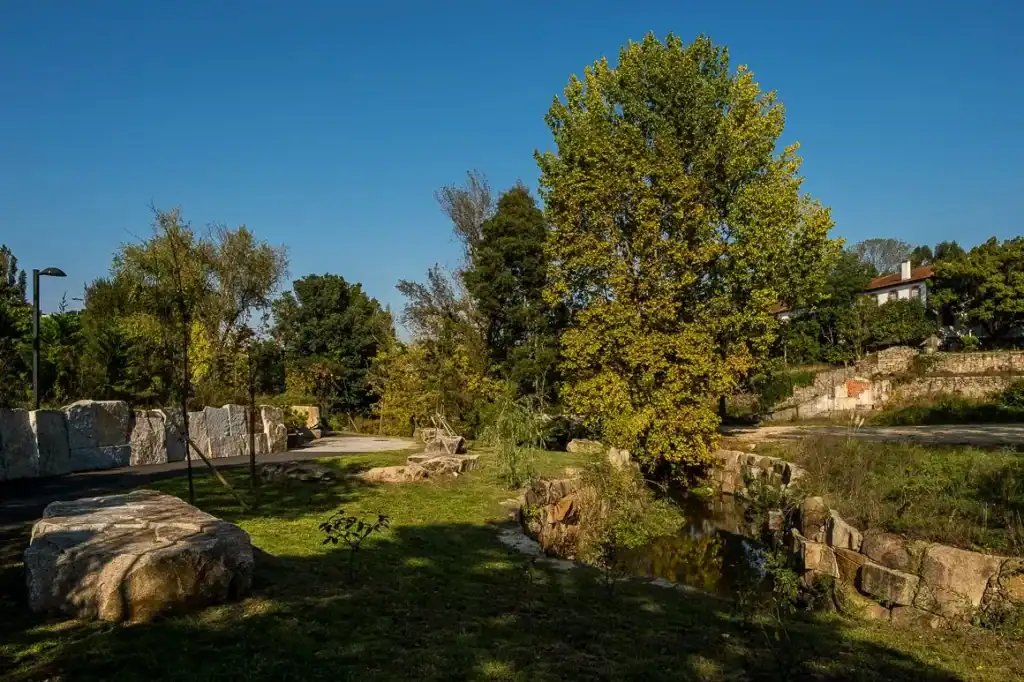
The Parque Oriental, located in Campanhã, is Porto’s second largest park, following Parque da Cidade. Designed by architect Sidónio Pardal, a linear park was developed along the banks of the Rio Tinto, with a total of 16,7 hectares of green space, from Freixo to Pego Negro, where there are several footpaths and cycle paths. Currently, […]
Parque Dr. Mário Soares
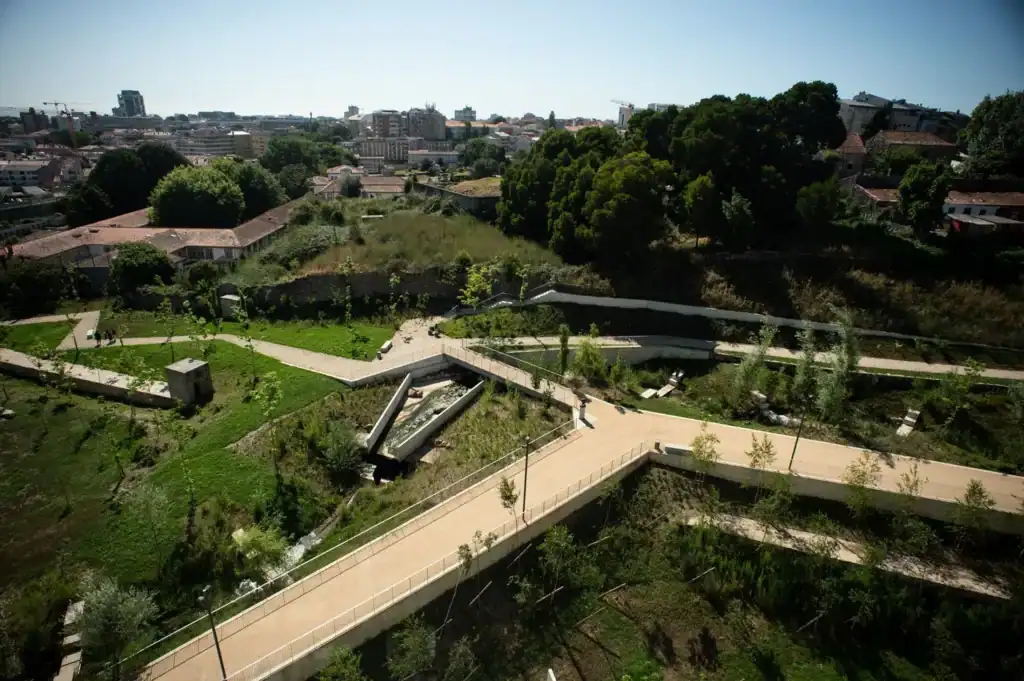
Located west of Morro da Lapa and Rua de Cervantes, this new 17,000 m² green space seeks to enhance urban quality of life, with a special focus on both the enhancement of public space and the city’s renaturalisation strategy. Opened at the end of 2024 and based on the concept ‘Porto: a city designed by […]
Tanque de Contumil
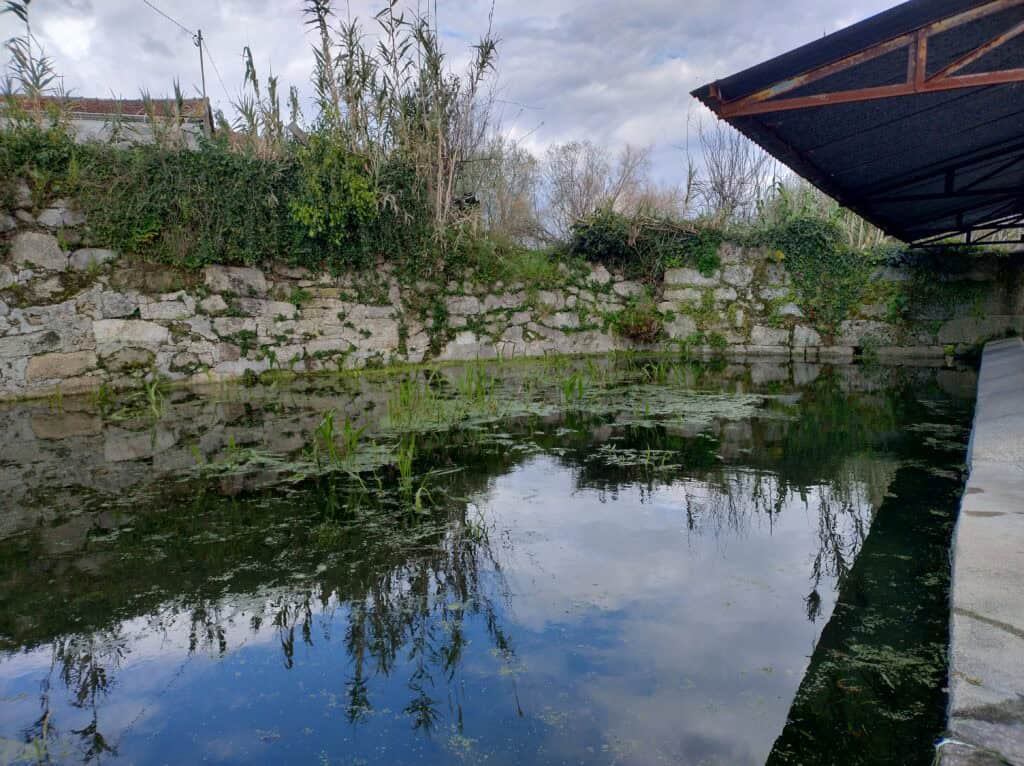
A pond, once used for traditional purposes, was renaturalized by removing invasive plants and installing ramps for amphibians. Today it is a vital refuge for aquatic biodiversity, with several native species, promoting coexistence between nature and local agriculture.
Water bodies of Parque Dr. Mário Soares
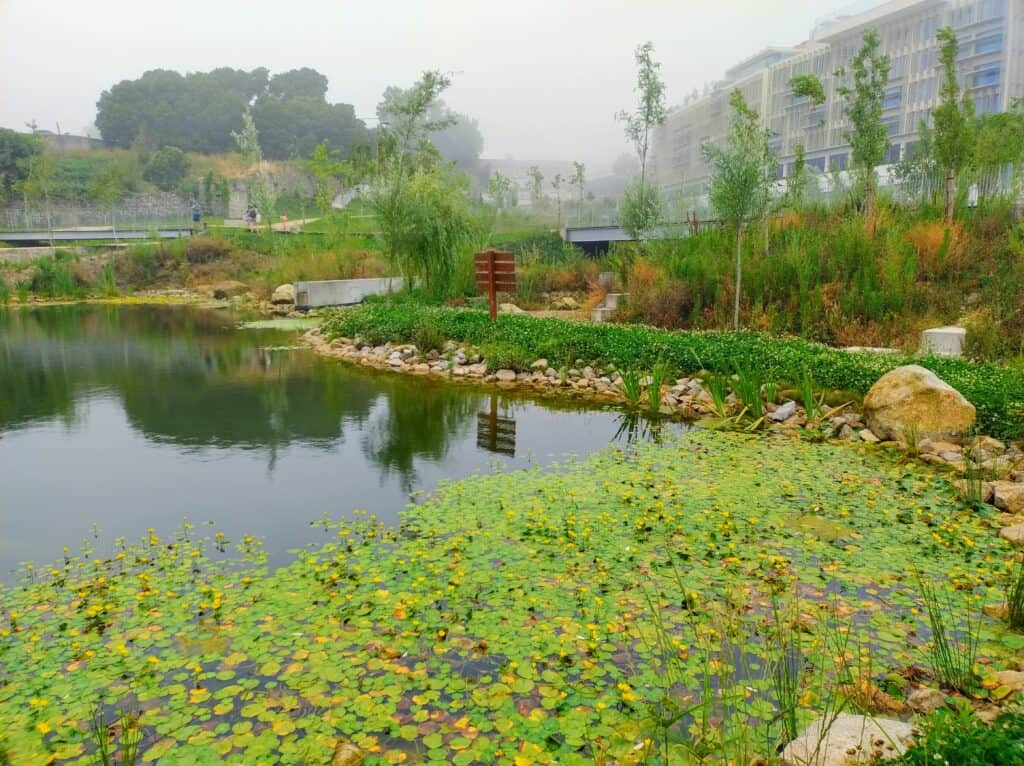
A park with a crucial role to play both in enhancing public space and in the city’s renaturation strategy. The retention basin and pond increase local biodiversity and phytodepuration. The aquatic plants introduced help filter pollutants, fix sediments and improve the natural purification of the water.
Water body of Campanhã Intermodal Terminal
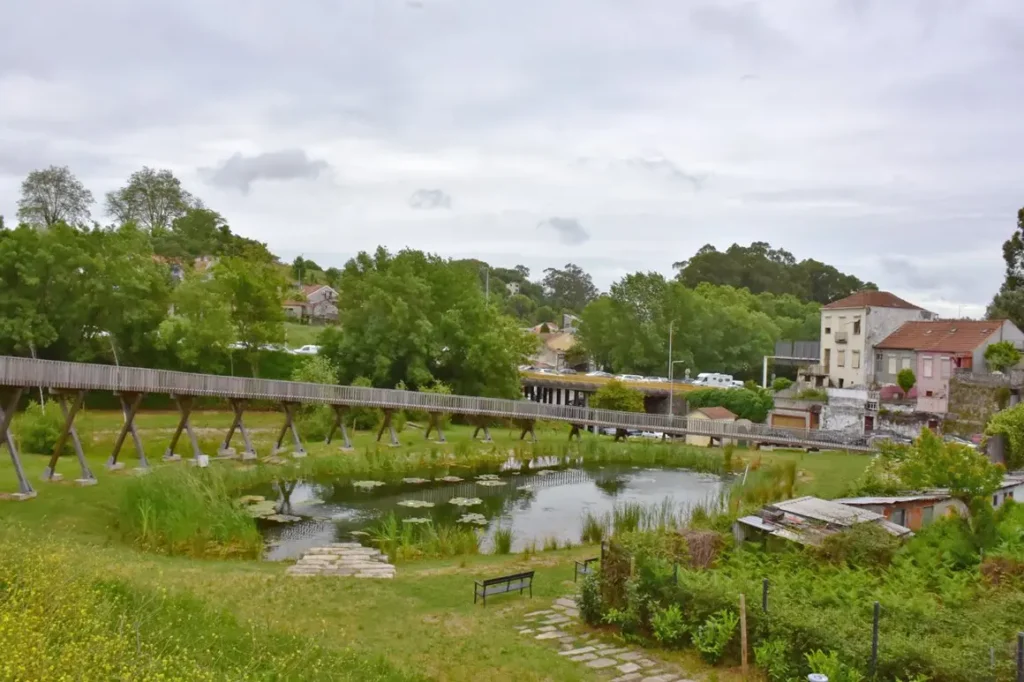
A large retention basin that filters rainwater, reduces flooding and recharges aquifers. It supports biodiversity with important habitats for amphibians and aquatic plants. It also offers leisure areas, integrating urban functionality and environmental sustainability.
Horta da Oliveira Pond
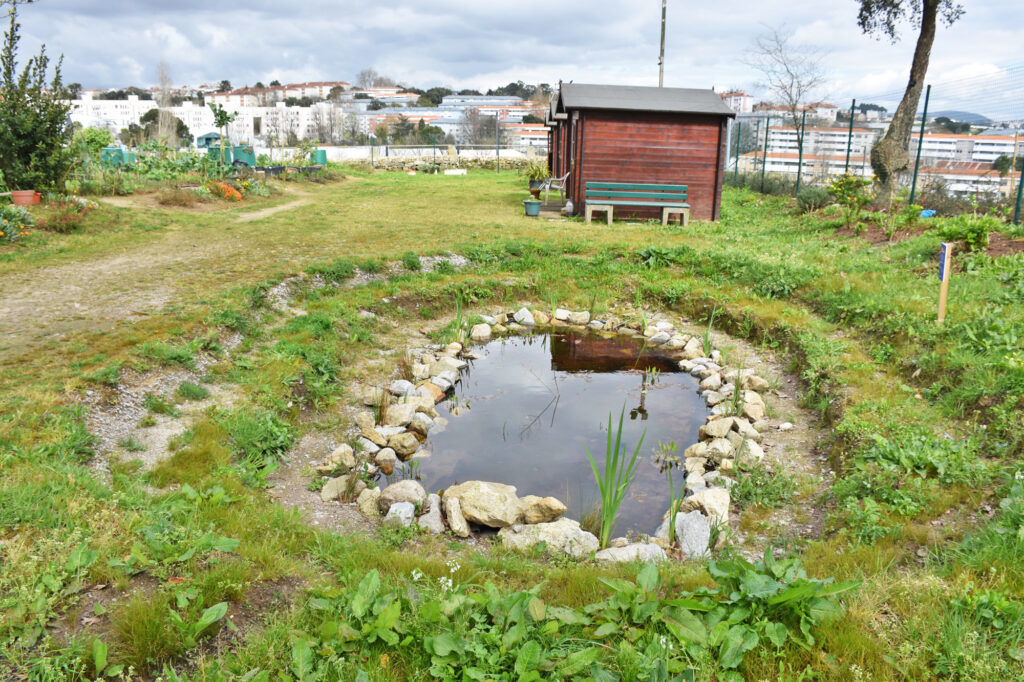
A pond that was built as part of the redevelopment of a school, which is right next door and which, in addition to its teaching function, also serves as a water retention basin for water from the school’s roofs, an infiltration point for surplus water in the aquifers and a promoter of biodiversity.
Porto BioLab – Quinta de Salgueiros
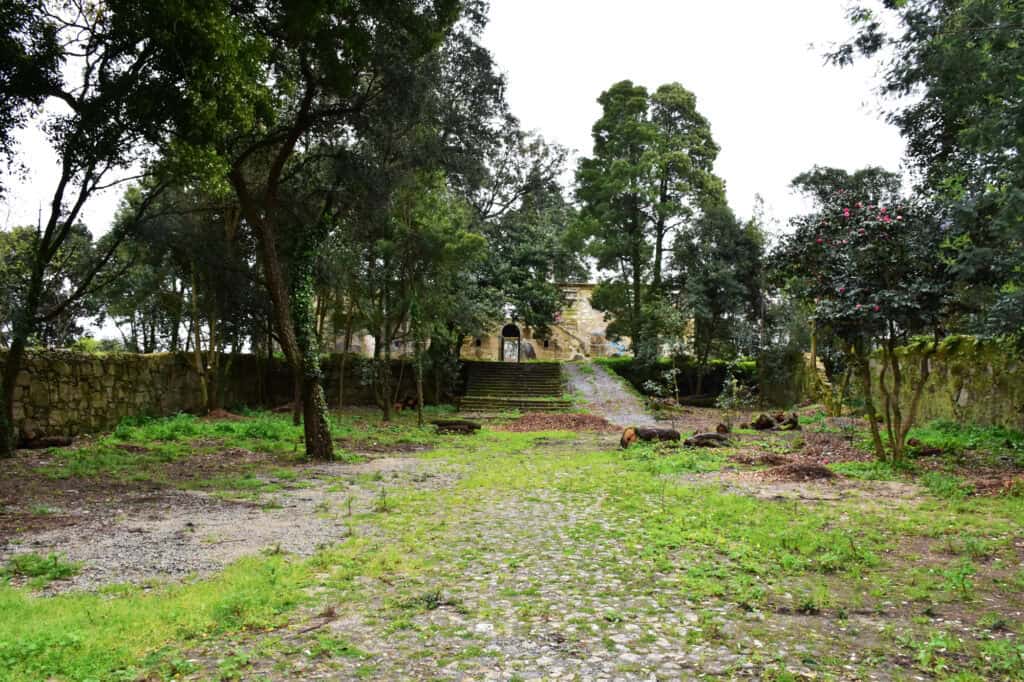
The 6-hectare Quinta de Salgueiros is being rehabilitated with nature-based solutions to improve quality of life, ecosystem services and increase the area’s climate resilience. It will function as a living laboratory to study and replicate urban ecology and climate change adaptation practices.
Parque da Asprela
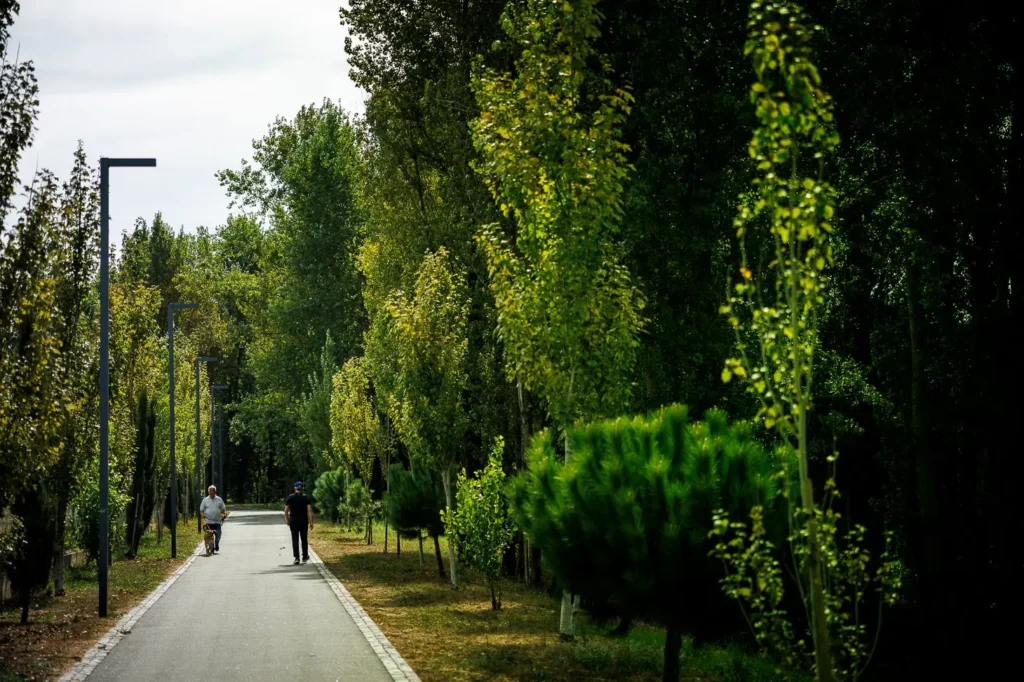
The 6-hectare Asprela Park includes a number of nature-based solutions, including tree planting, water mirrors, 2 km of accessible paths and a 10,000 m³ retention basin for flood control. It promotes biodiversity and offers a space for leisure and well-being for the academic community and the general population.
Ribeira da Granja
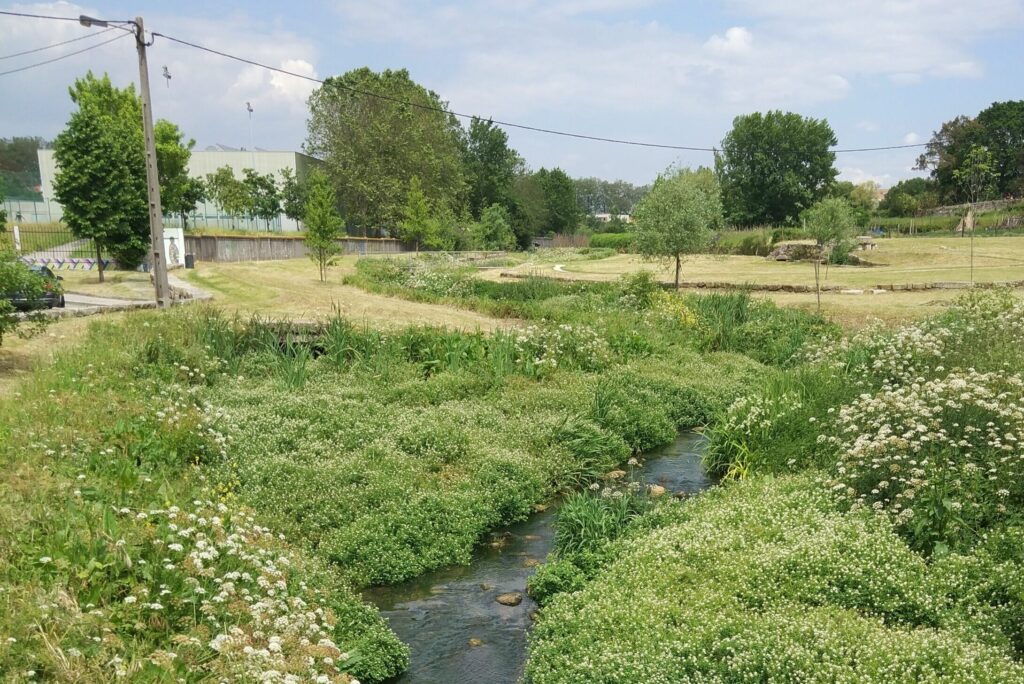
The Ribeira da Granja has been restored using natural solutions: in Viso (2010), natural engineering techniques stabilized the banks; in Quinta do Rio (2011) and SACHE (2014), de-tubing promoted re-naturalization; Ramalde do Meio (2013), re-qualification allowed connection to the city; Requesende (2013), re-qualification promoted environmental preservation.