Porto BioLab – Quinta de Salgueiros
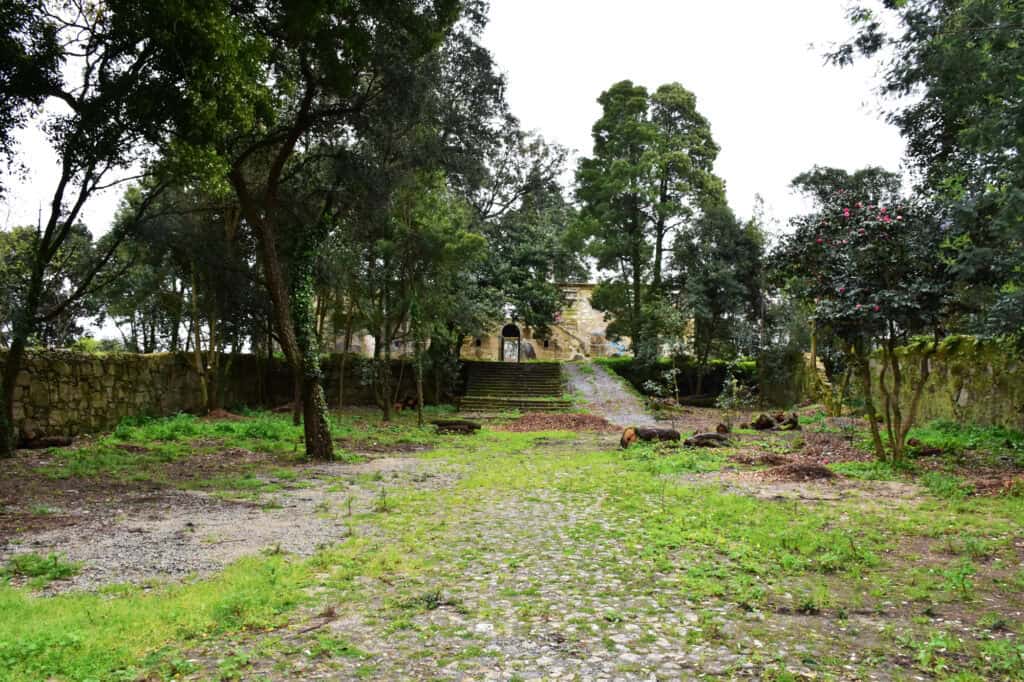
The 6-hectare Quinta de Salgueiros is being rehabilitated with nature-based solutions to improve quality of life, ecosystem services and increase the area’s climate resilience. It will function as a living laboratory to study and replicate urban ecology and climate change adaptation practices.
Parque da Asprela
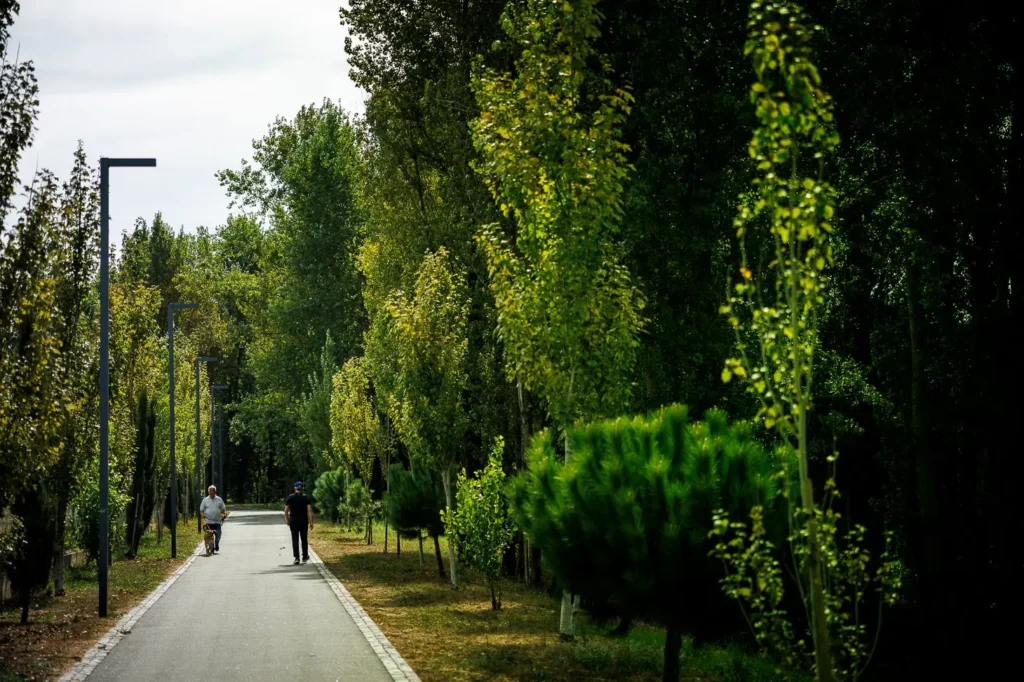
The 6-hectare Asprela Park includes a number of nature-based solutions, including tree planting, water mirrors, 2 km of accessible paths and a 10,000 m³ retention basin for flood control. It promotes biodiversity and offers a space for leisure and well-being for the academic community and the general population.
Ribeira da Granja
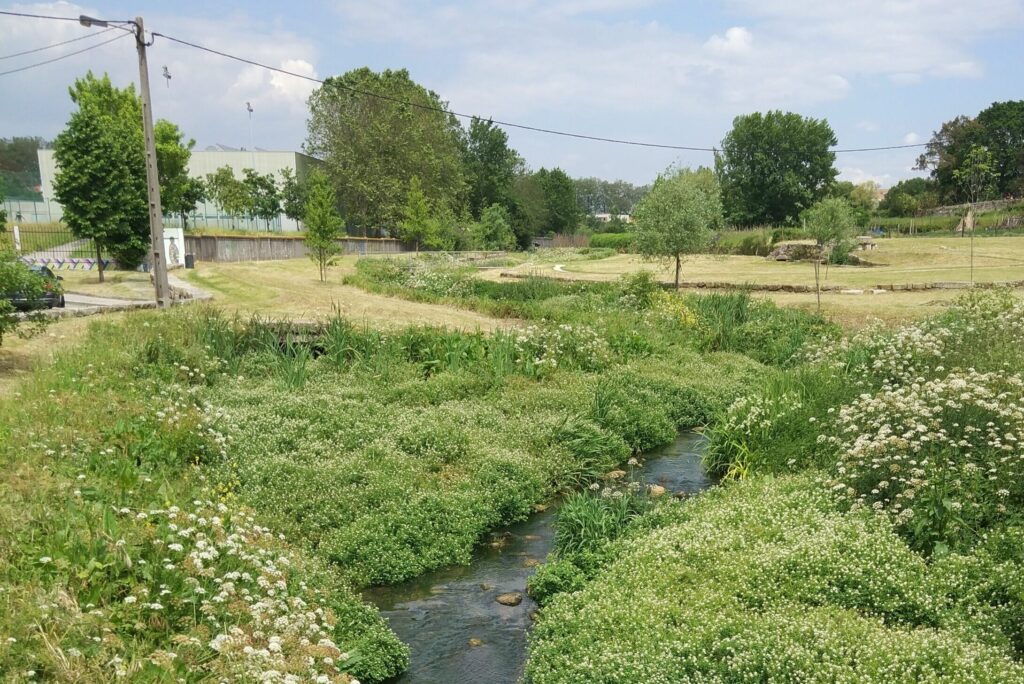
The Ribeira da Granja has been restored using natural solutions: in Viso (2010), natural engineering techniques stabilized the banks; in Quinta do Rio (2011) and SACHE (2014), de-tubing promoted re-naturalization; Ramalde do Meio (2013), re-qualification allowed connection to the city; Requesende (2013), re-qualification promoted environmental preservation.
Rio Tinto Interceptor
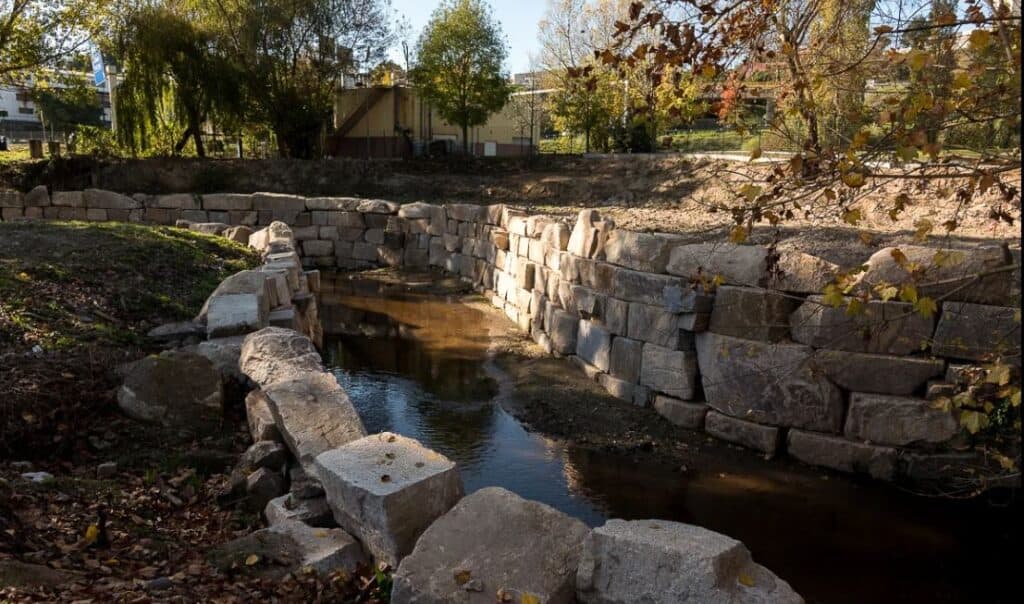
The Rio Tinto Interceptor aims to improve the river’s water quality by sending treated effluent from the wastewater treatment plants directly to the River Douro, since the Rio Tinto does not have sufficient self-depuration and regeneration capacity. The rehabilitation of the riverbed and banks and the creation of an urban park have also been promoted.
Parque da Cidade

Porto City Park integrates natural solutions for sustainability and climate adaptation. With green areas, lakes and permeable soils, it regulates temperature, improves the air, retains water and supports ecosystems. It also serves as a social and educational space, uniting nature, leisure and urban well-being.
Campanhã Intermodal Terminal
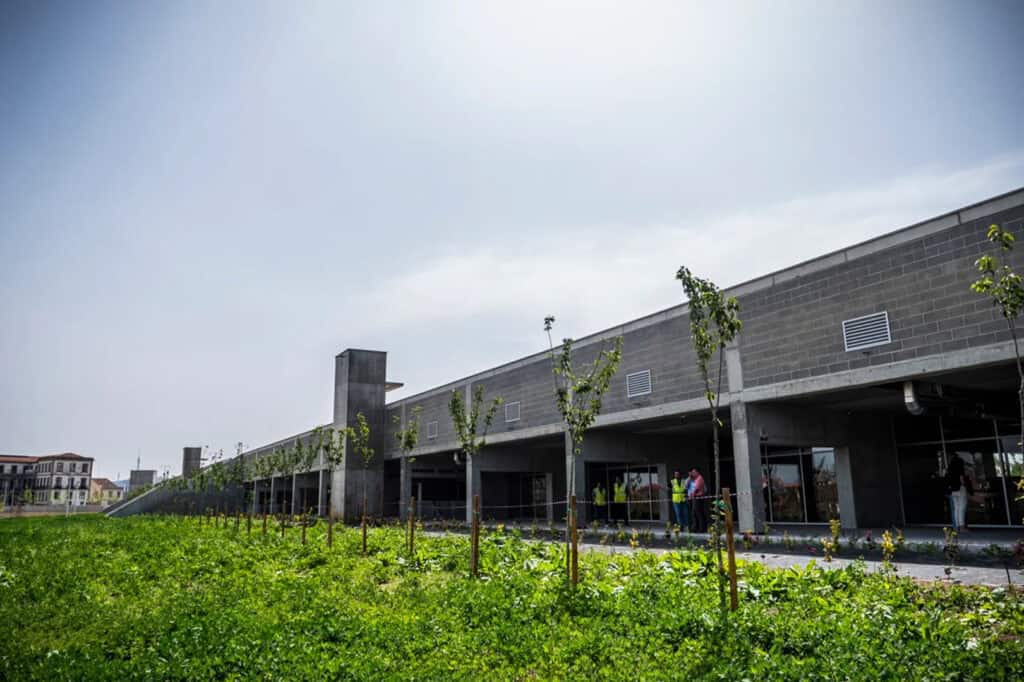
The Campanhã Intermodal Terminal (TIC) has the largest green roof in the city, which helps to absorb all the air and visual pollution from the terminal. It was the first public building in the country to achieve the LEED (Leadership in Energy and Environmental Design) level of environmental certification in 2025.
Ribeira da Asprela
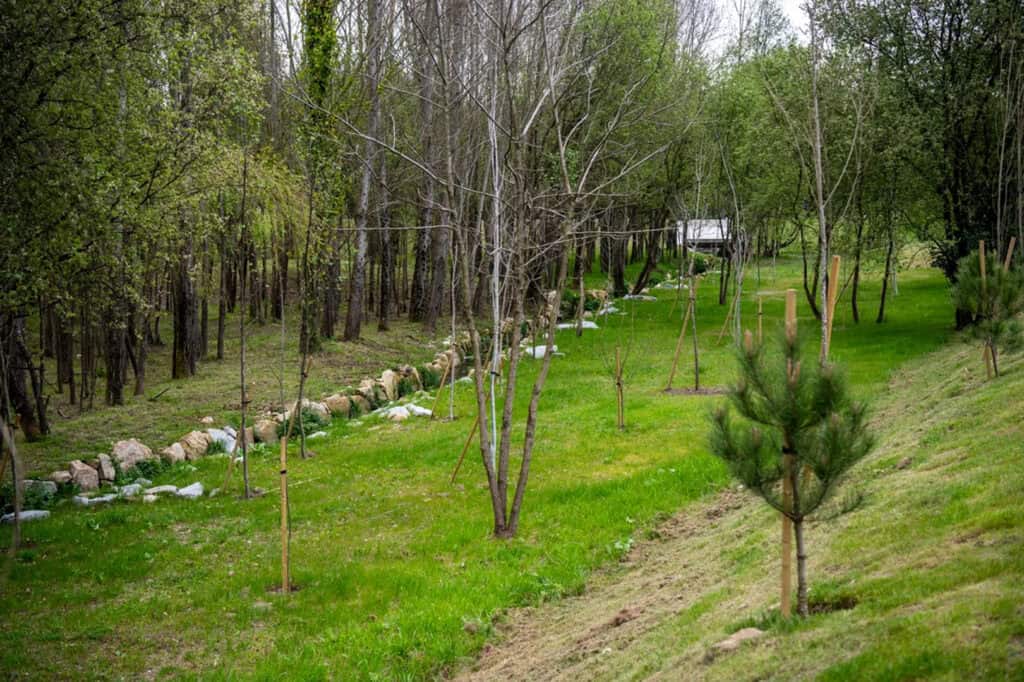
The Ribeira da Asprela has been restored in sections with different natural-based solutions: at Outeiro (2009), natural engineering techniques stabilized the bed and banks; at Quinta das Lamas (2015), de-tubing promoted requalification and re-naturalization; and at Parque Central (2022), three retention basins for 10,000 m³ were created.