Parque da Asprela
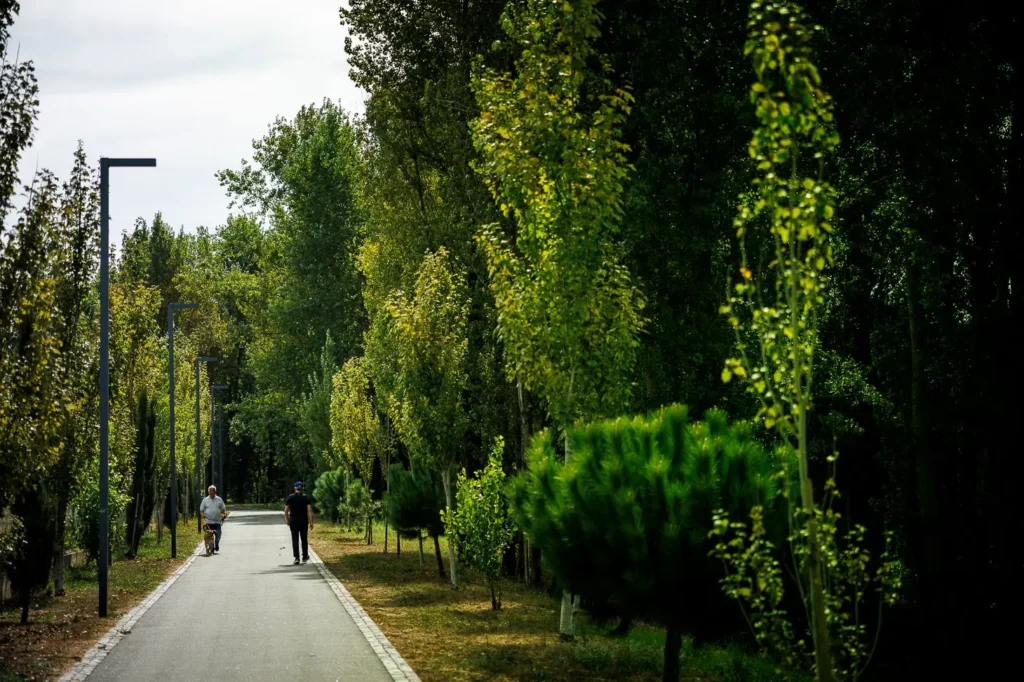
The 6-hectare Asprela Park includes a number of nature-based solutions, including tree planting, water mirrors, 2 km of accessible paths and a 10,000 m³ retention basin for flood control. It promotes biodiversity and offers a space for leisure and well-being for the academic community and the general population.
Parque da Cidade

Porto City Park integrates natural solutions for sustainability and climate adaptation. With green areas, lakes and permeable soils, it regulates temperature, improves the air, retains water and supports ecosystems. It also serves as a social and educational space, uniting nature, leisure and urban well-being.
Cordoaria Garden
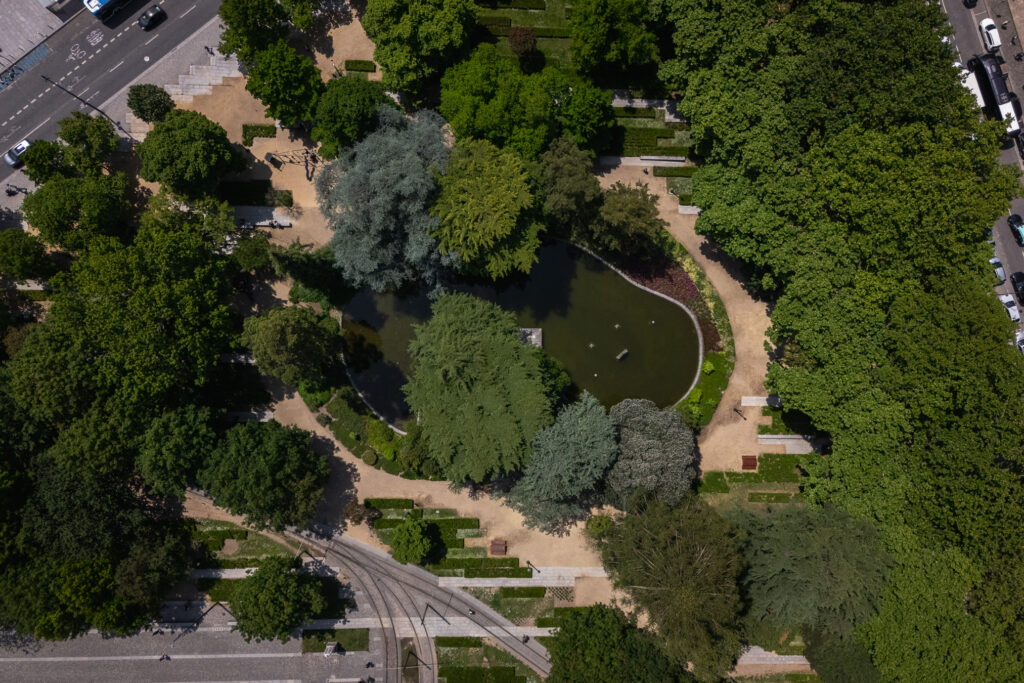
A garden that is a green lung in the center of Porto, combining history and sustainability. Recently refurbished, it has improved drainage, lighting and paving, enhancing biodiversity and reducing flooding. It houses trees of public interest and is a vital cultural and social space.
Passeio Alegre Garden
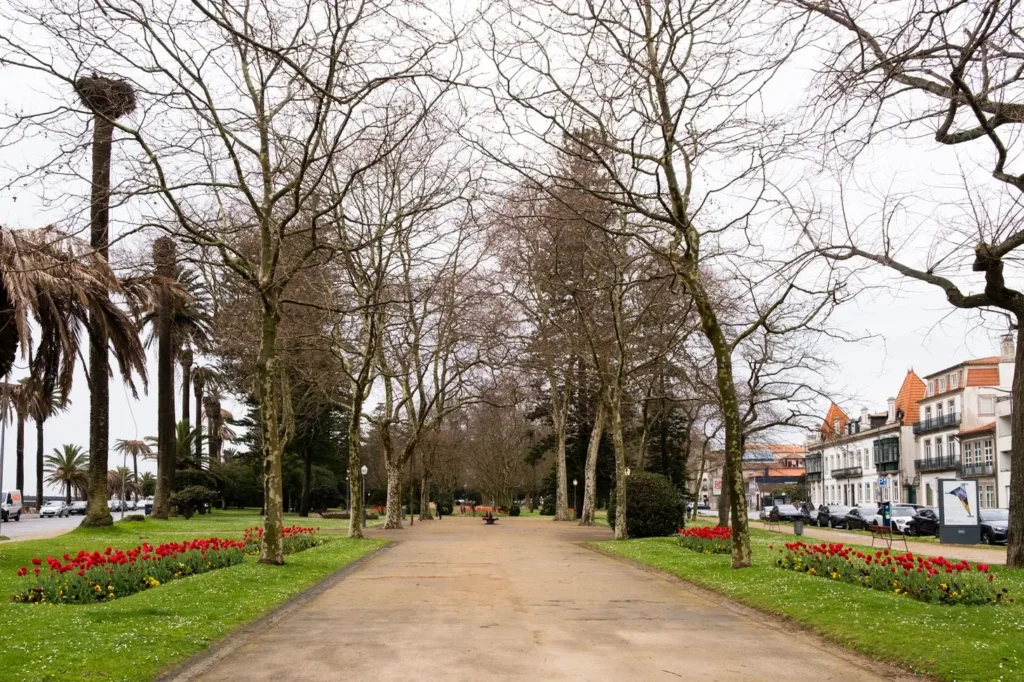
A garden marked by the cool shade of its trees and its proximity to the River Douro, make this space a place of contemplation, well-being and social interaction for its visitors, while at the same time adding benefits to the environment with its natural-based solutions.
Campanhã Intermodal Terminal
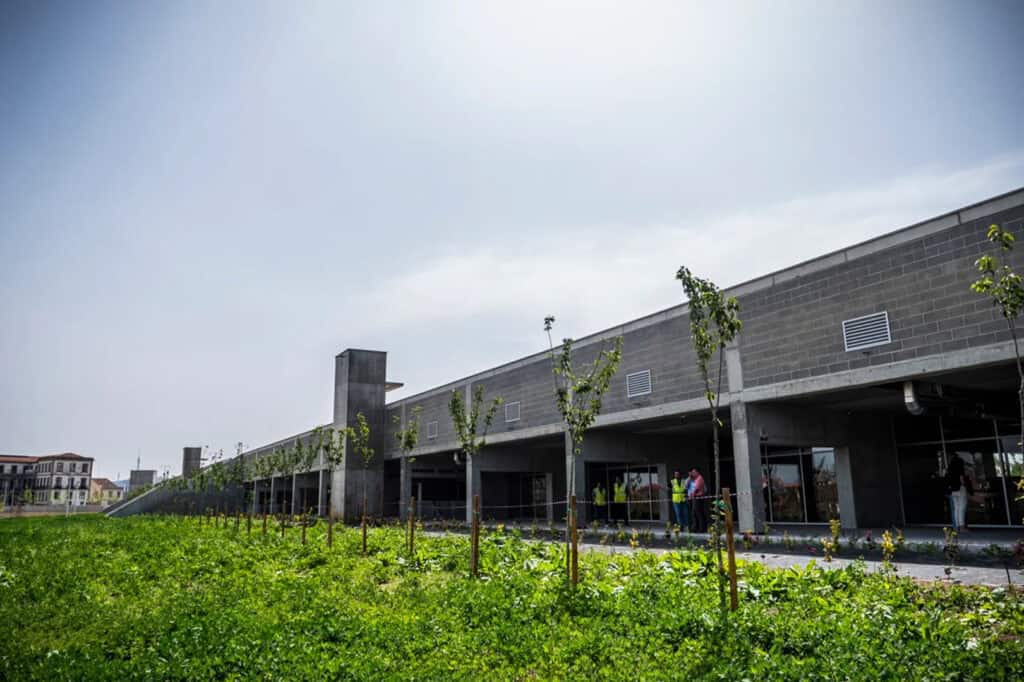
The Campanhã Intermodal Terminal (TIC) has the largest green roof in the city, which helps to absorb all the air and visual pollution from the terminal. It was the first public building in the country to achieve the LEED (Leadership in Energy and Environmental Design) level of environmental certification in 2025.
Nature based solutions at Falcão Elementary School
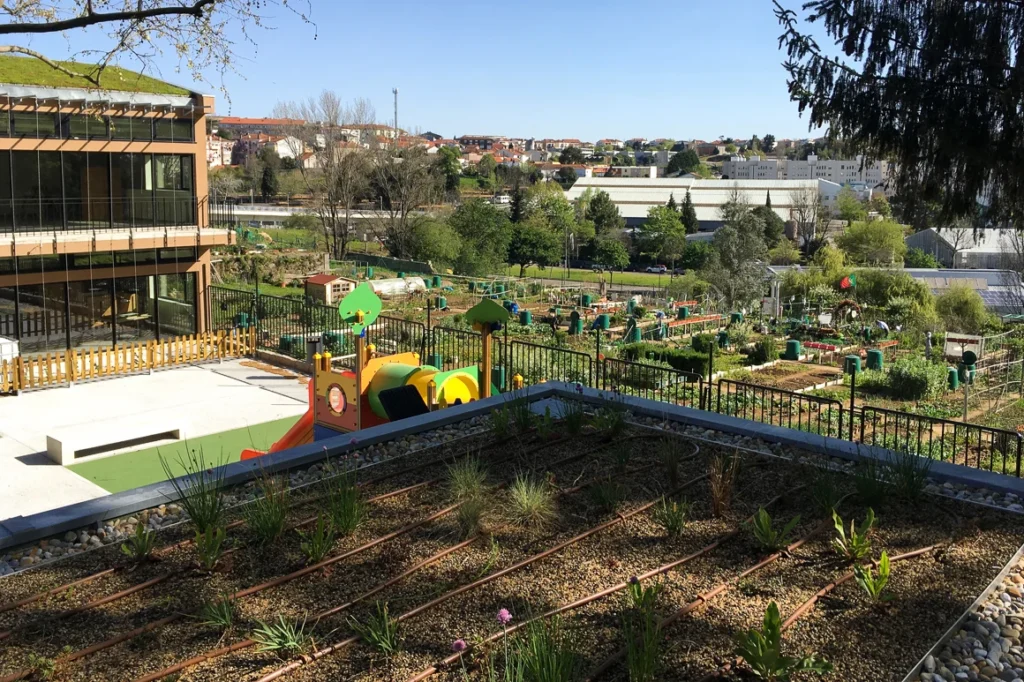
The Falcão Primary School is now a model building, demonstrating natural-based solutions to improve bioclimatic comfort and increase resilience to climate change. It has three green roofs, a green wall, a pond and photovoltaic panels to produce electricity.
Parque da Alameda de Cartes
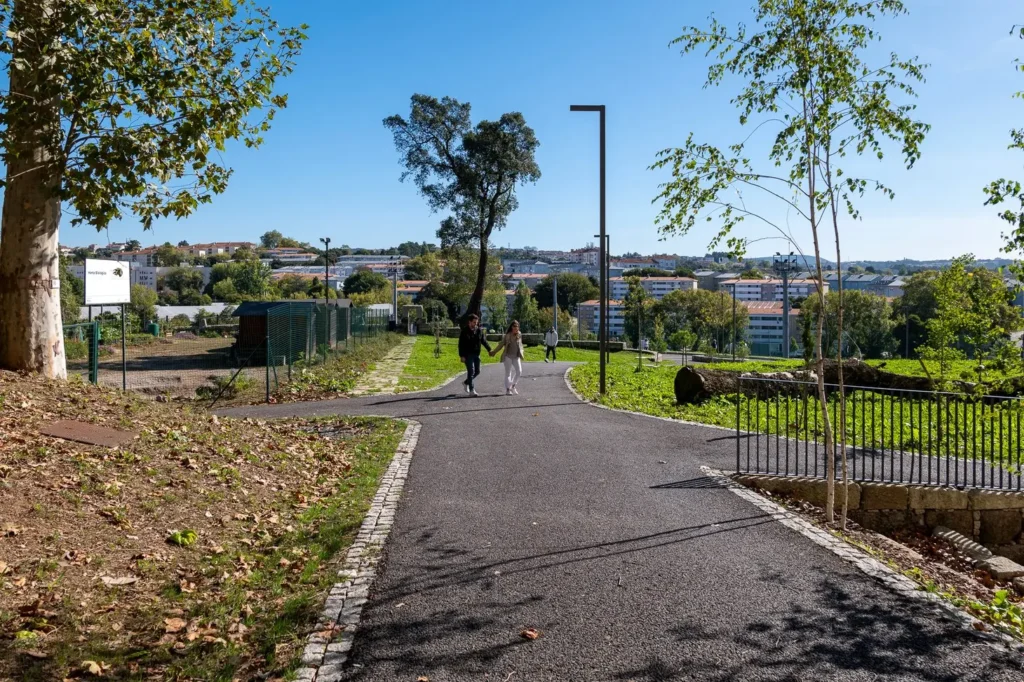
The Alameda de Cartes Park uses nature-based solutions to retain rainwater, prevent flooding and sustain vegetation. With many native trees, it improves air quality and the local microclimate. It offers paths for sustainable mobility and connects to other green areas and a diversity of services, promoting urban sustainability.